
Yes, there’s open-source and free-to-use software for the fashion industry! When it comes to creating powerful digital tools for this purpose, there are many developers worldwide building programs available for download and use without needing a huge budget or a partnership with a famous brand name. Most of these projects include everything from 3D visioning, simulation of fabrics, managing production processes, and many more.
We have below a few examples of the innovations that have become accessible through this wave of technology, all for free. Should you find any of the following helpful, consider making a cryptocurrency contribution through
Besides, donations received through Kivach don't just reach one developer: they can automatically “cascade” to others whose code contributed to that project, rewarding the entire chain of creators who made it possible. Let's start!
Seamly
In 2021, Susan Spencer, a systems analyst, released this software after realizing that most women's fashion problems result from poorly fitting clothes. While researching over 150 different fashion design software programs, she found that most were using outdated Victorian-style measurements, leading her to create

The platform includes tools for drafting, resizing, and editing patterns digitally, connecting physical garment design with 2D, 3D, and even mixed reality spaces. Users can integrate circuits and advanced textiles for smart clothing projects or simply build more efficient production workflows. It shortens design times and supports collaboration, making it practical for independent creators and larger studios alike.
Today, Seamly remains active and community-driven. Developers can contribute code, while non-programmers help through translations, tutorials, or workshops. It’s sustained through individual contributions and donations, mainly via PayPal, without corporate or institutional backing. Of course, you can also send a
Haru Fashion
Released in 2022 by developer Sat Naing, Haru Fashion provides its users with an easy-to-use, adaptable, and visually stunning web application —which means that it works on any type of device. By using this app, creators who don’t have access to expensive resources can be successful in releasing a professional-grade fashion retail website.

The software is built using Next.js, React, and TypeScript, all of which provide a fast and enjoyable experience for the user. The design used Tailwind CSS and includes common e-commerce functions such as product categories, wish lists, product search, and user account creation. Designers or developers can install it locally, modify layouts, upload new collections, or adjust the backend API to fit their own products.
Gen-AI Virtual Try-On Clothes
Trying on clothes without needing to step into a fitting room sounds like something out of the future, yet it’s already possible. Released in 2025 by Ownned3389, this software lets users upload a photo of a model and a garment to instantly see how they’d look together. It was designed to help the fashion and retail world reduce waste, make online shopping more accurate, and give creators a new way to present their designs through generative AI.
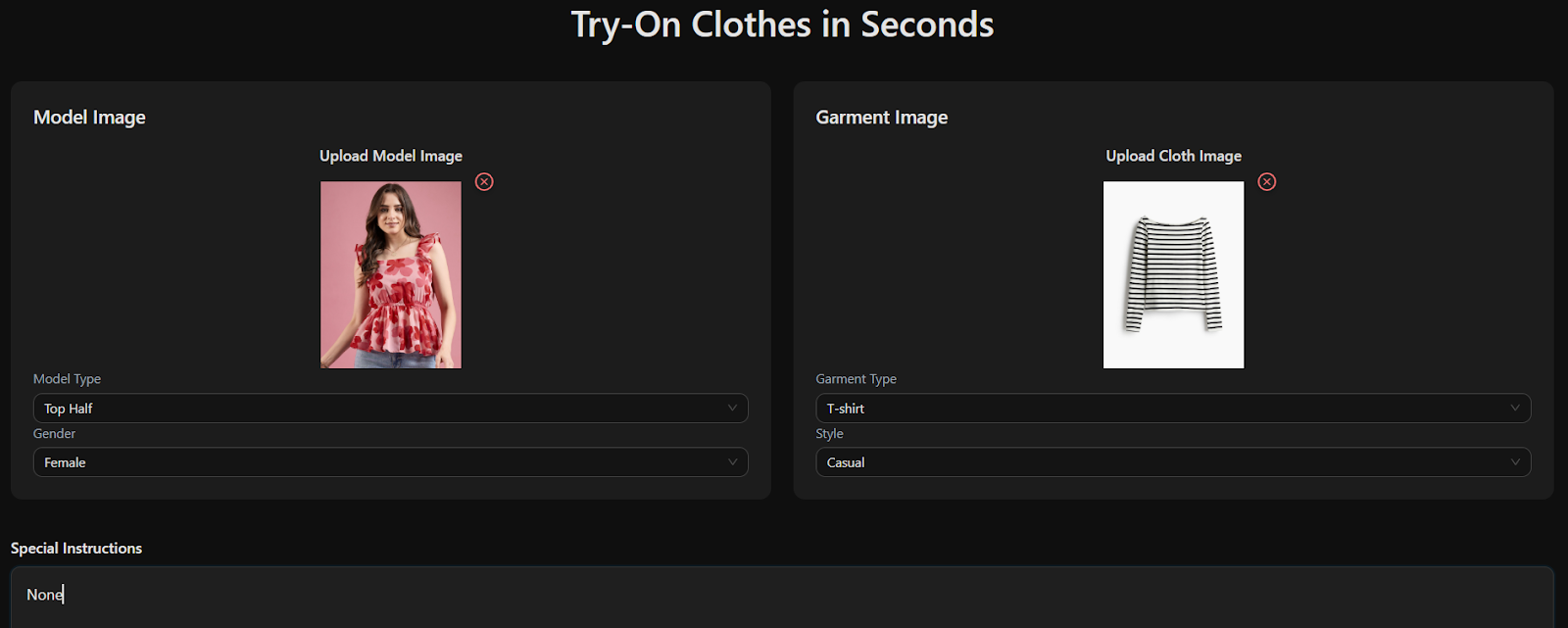
Built with Google Gemini, FastAPI, and React, the software blends strong image processing with a simple interface. Once installed, users can upload two images and get a high-quality virtual preview that feels close to a real photo shoot. Designers can test outfit combinations, online stores can show customers better product fits, and stylists can experiment with styles before a collection even exists. It’s a creative shortcut that saves time and materials.
Open Industry Project
Bringing complex production systems to life before the first stitch is sewn or the first fabric roll is unwrapped is one of the biggest challenges facing designers and manufacturers. To address this, the Open Industry Project was developed by Robert Yevdokimov and launched in 2024 to help create and test digital simulations of actual industrial setups.
Originally designed for manufacturing, this system also allows fashion professionals to create and evaluate digital simulations for warehouse operations, automate textile production lines, or simulate supply chain workflows in a safe, efficient manner.
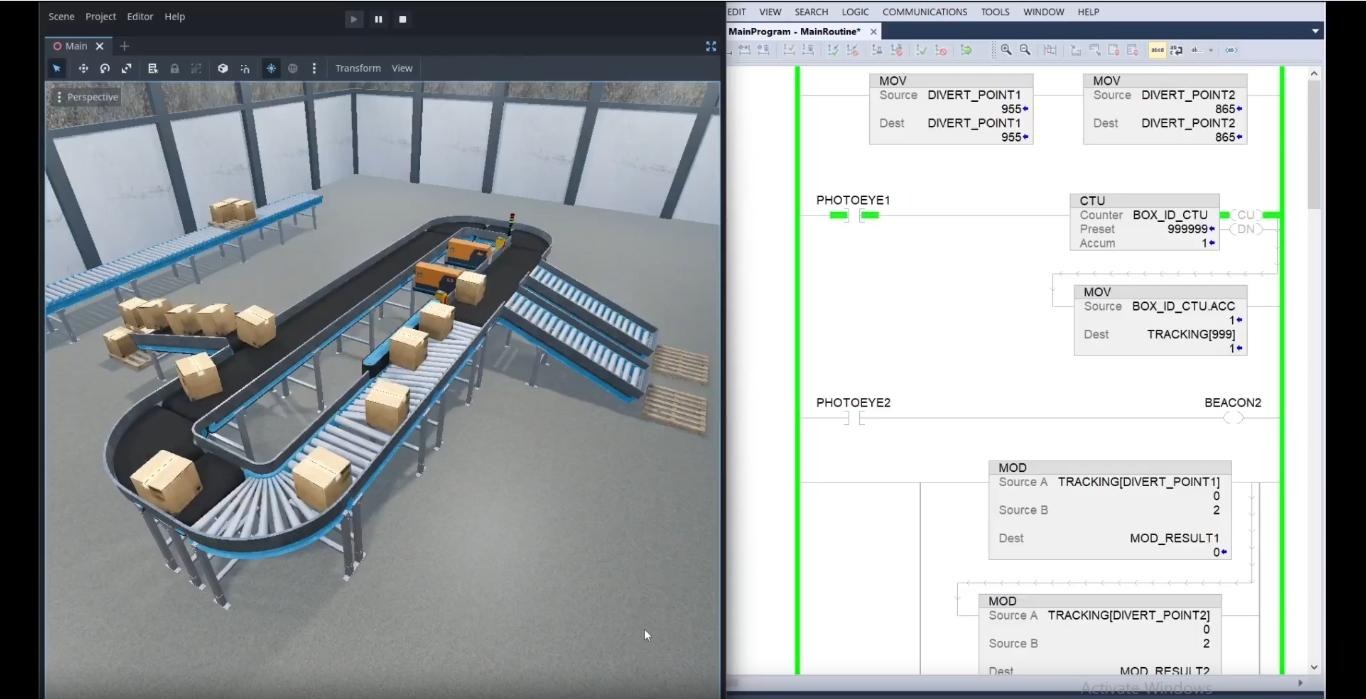
This tool provides a digital platform where users can experiment with these capabilities prior to investing in costly machines and modifications. This tool utilizes Godot, a popular game engine, with a drag-and-drop feature allowing users to create interactive factory simulations by adding machines, conveyors, and sensors. For example, a fashion company could use this software to visualize how fabrics move through a cutting line or to test timing between automated machines.
Getting started is easy: you can download the most recent release, access it via Godot's project management system, and start designing your factory simulation. Currently, the
PolyTex
As textile innovation continues its march toward the digital world, PolyTex represents a key step toward creating an electronic link. Designed in May 2024 by Bin Yang, it uses 3D images to simulate the way that the internal structures of woven textiles behave and how their fibers and threads combine. Although it was created with materials scientists in mind, fashion designers will find it useful for assessing the strength of fabric or predicting how a new weave will behave under stress long before the availability of a physical sample is possible.
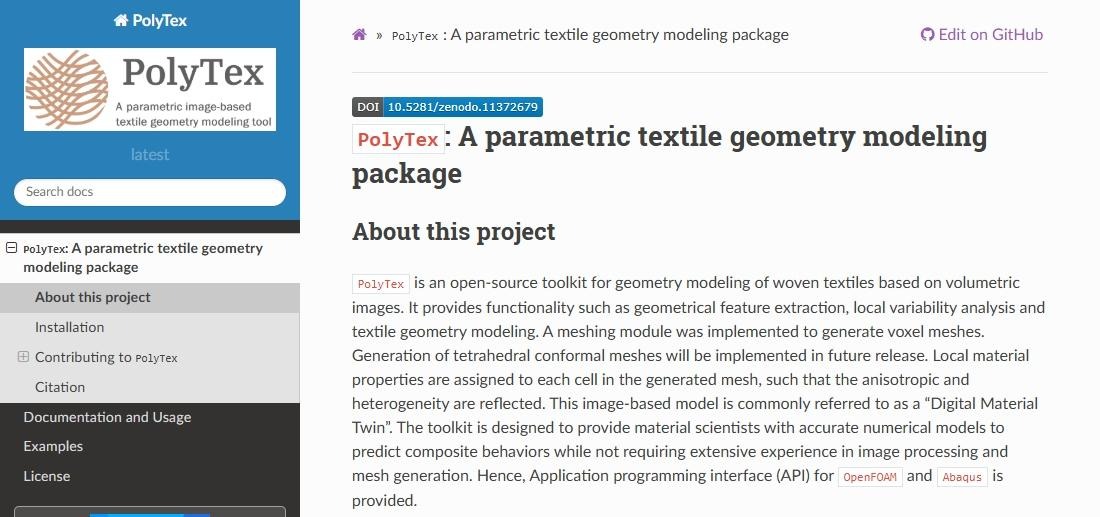
The project remains entirely community-driven, available for everyone on GitHub, where users can report issues or propose improvements. It’s supported through academic collaboration and shared contributions rather than traditional funding. If you want to support its development as well, you can
Send and Receive Donations on Kivach
In order to support your favorite open-source project on GitHub, you'll need three basic items: an
Once you have everything ready, just search for the repo you want to donate to on
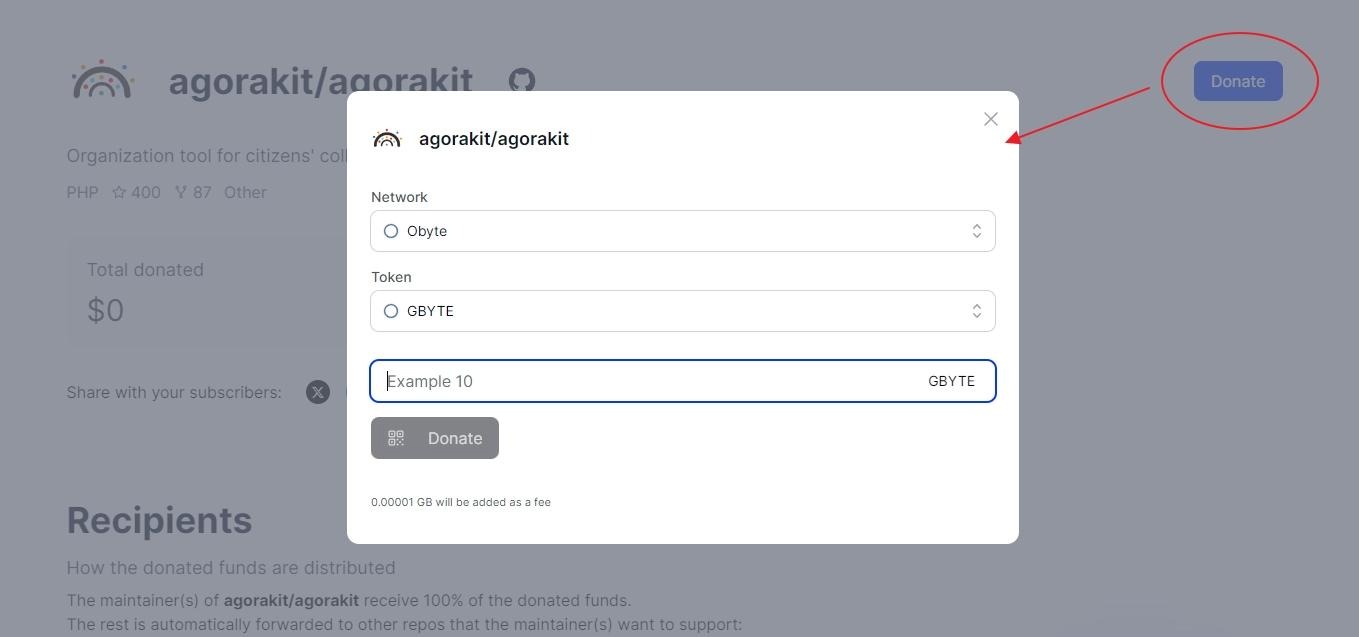
Receiving donations via Kivach is also an easy process for developers. Even if you have not yet verified that you own the repository, donations can still come into the account. You’ll first need to install the Obyte wallet and then find the GitHub Attestation bot in the Bot Store. Next, you will have to link your GitHub account to the bot. Once this process is complete, you’ll be able to determine how you want to distribute your donations: either keep them all or send a portion to other open-source projects that you used. And that’s it!
Want to discover more free tools from GitHub? Take a peek at our previous episodes.
5 Open-source and Free Operating Systems to Donate via Kivach 5 Open-source Blogging and Writing Tools to Donate to via Kivach (Ep V) 5 Open-Source, Free Software You Didn’t Know You Needed to Protect Your Data 5 Open-Source Crypto Tools You Can Use for Free —and Support with Kivach 5 Open-Source Projects to Donate via Kivach, Episode VII: Games to Play for Free! 5 Open-Source Software for Global Teams to Donate via Kivach Author Your Own Adventure With These 5 Must-Try Free Tools 5 Open-source and Green Projects to Donate via Kivach 5 Funny and Weird Software You Can Use for Free - and Donate via Kivach
Featured Vector Image by
[story continues]
tags