
TL;DR —
This paper is available on arxiv.org/abs/2311.08270 under CC BY 4.0 DEED license. Authors: Enis Chenchene, Hui Huang, Jinniao Qiu, and Hui Chen. Table of Links: 1. Introduction, 2. Global convergence, 3. Numerical experiments, 4. Conclusion, Acknowledgments, and References.
Table of Links
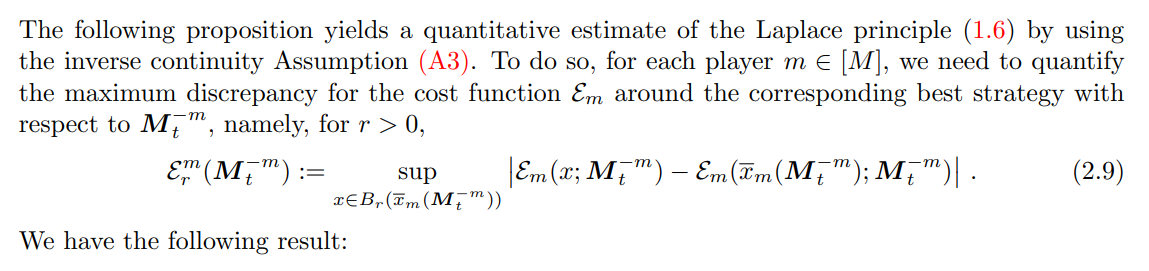
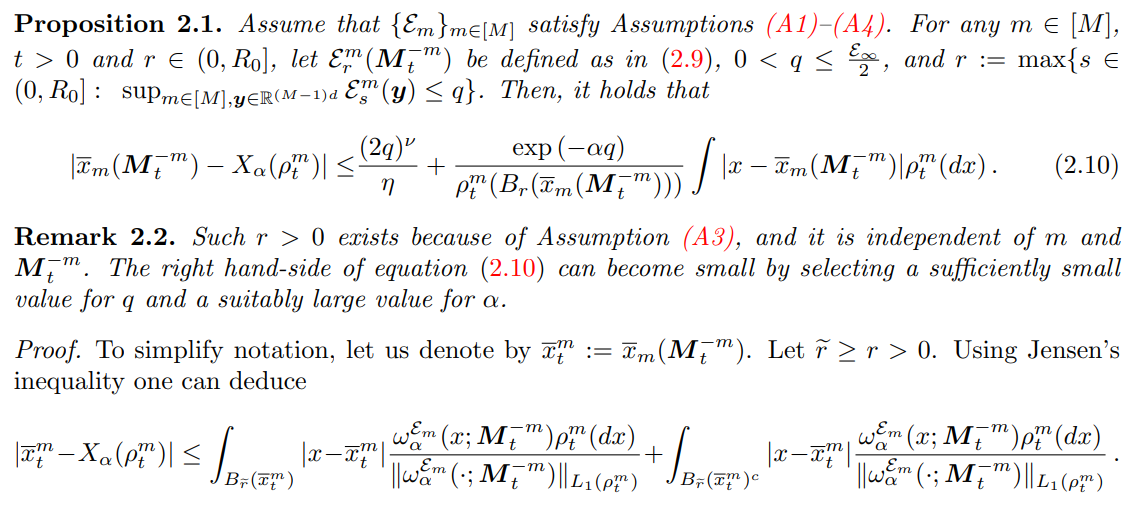
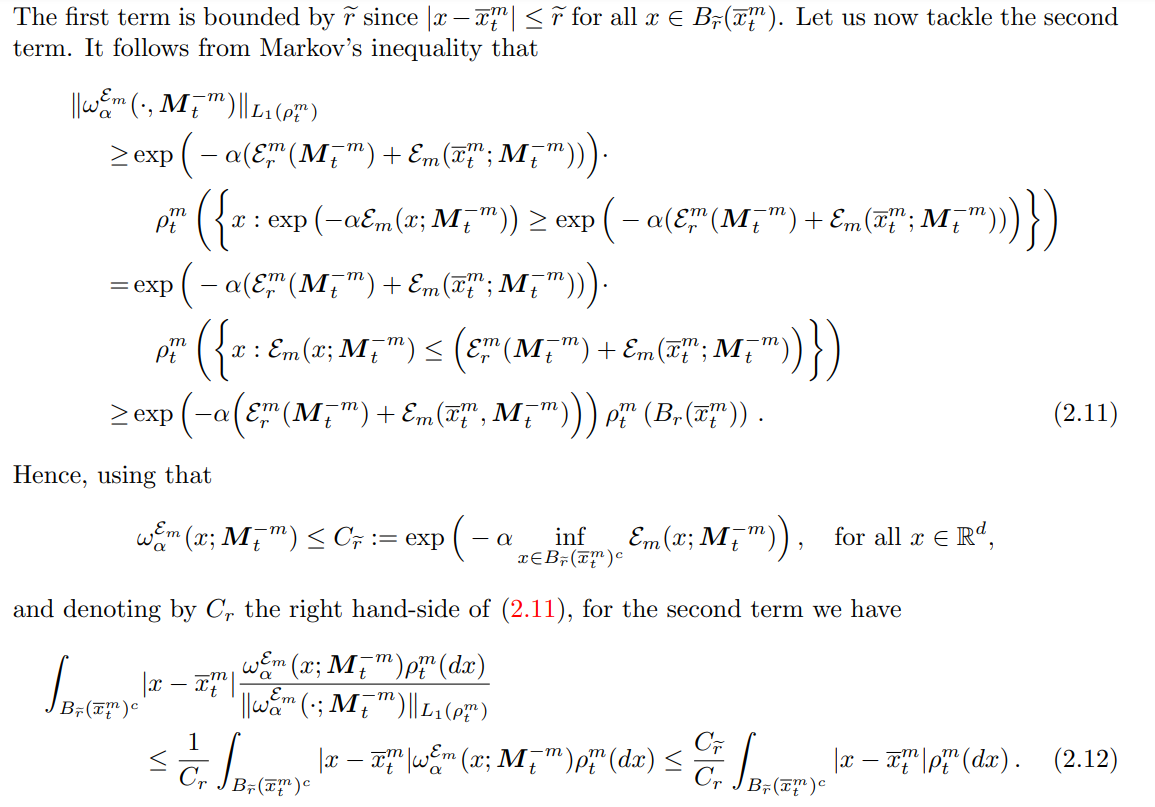
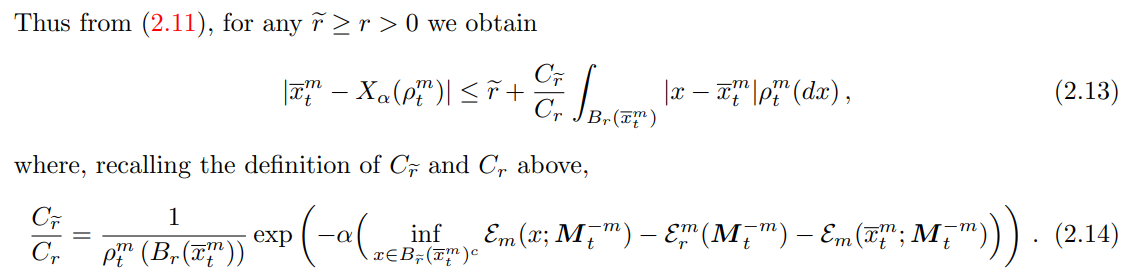
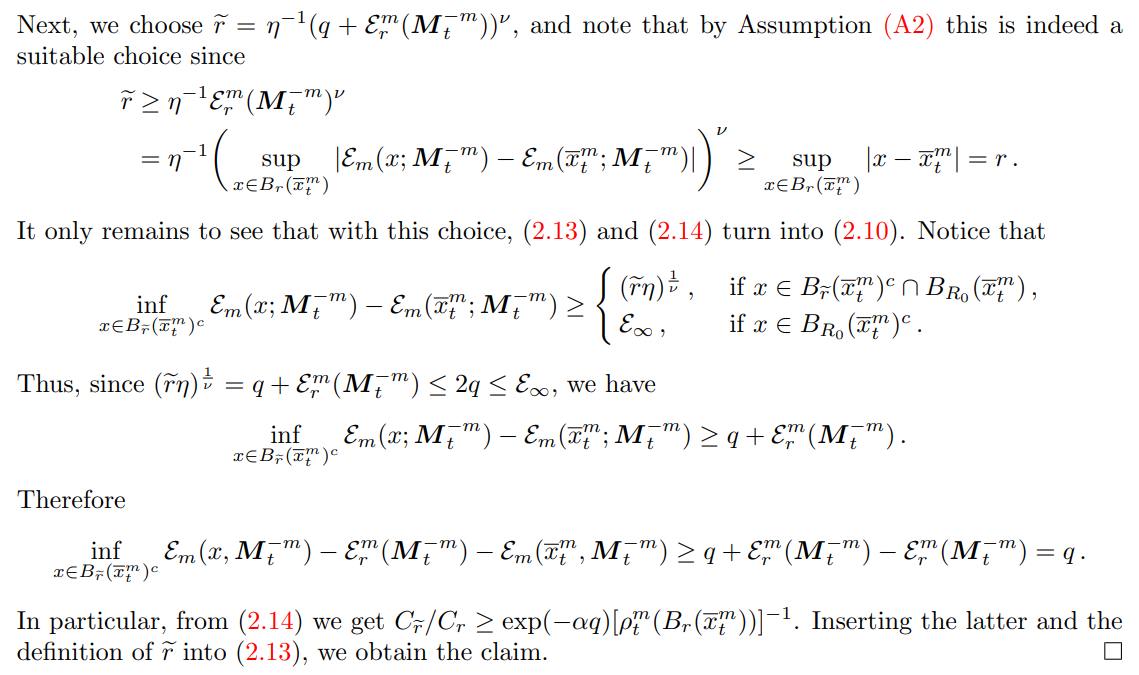
2.1 Quantitative Laplace principle
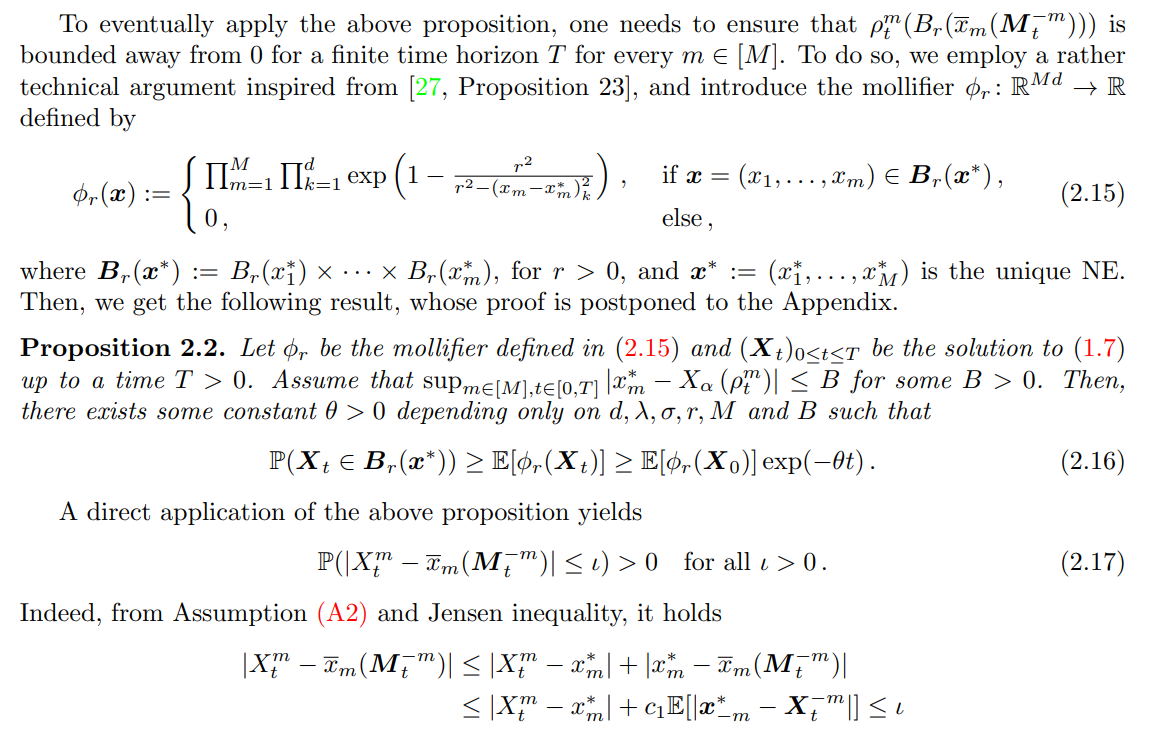
2.2 Global convergence in mean-field law
3 Numerical experiments and 3.1 One-dimensional illustrative example
3.2 Nonlinear oligopoly games with several goods
4 Conclusion, Acknowledgments, Appendix, and References
2.1 Quantitative Laplace principle

This paper is available on arxiv under CC BY 4.0 DEED license.
Authors:
(1) Enis Chenchene, Department of Mathematics and Scientific Computing, University of Graz;
(2) Hui Huang, Department of Mathematics and Scientific Computing, University of Graz;
(3) Jinniao Qiu, Department of Mathematics and Statistics, University of Calgary.
[story continues]
Written by
@oligopoly
Interconnected players, shaping market dynamics, fostering competition and cooperation in delicate balance.
Topics and
tags
tags
games|consensus-based-optimization|zeroth-order-algorithm|nonconvex-multiplayer-games|global-nash-equilibria|swarm-intelligence|metaheuristics|numerical-experiments
This story on HackerNoon has a decentralized backup on Sia.
Transaction ID: AVmnhWkpASZZGLAqnVhMTfMrV2QkqVIFbr8F3YS4cm8