


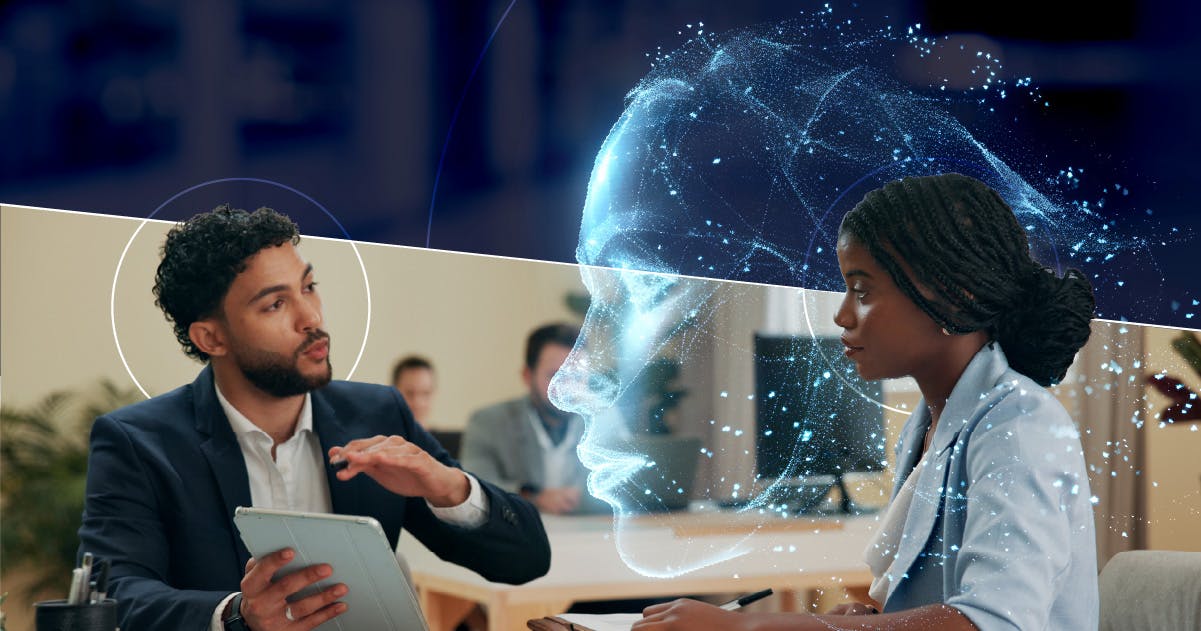
Artificial intelligence is not only speeding up the hiring process, but it is also changing the entire experience of work. Today, AI can scan resumes in seconds, flag people who are most likely to succeed, and help recruiters make choices without getting overwhelmed in administrative work. Because of this, it is important to understand how technology is reshaping what both companies and employees expect from the work itself.
AI and Recruitment Hiring Trends
By 2026, the influence of artificial intelligence will go far beyond HR departments. It is redefining how jobs are created, how people are compensated, and what keeps them motivated to continue working hard. In the coming years,
In terms of speed, what used to take recruiters days or weeks can now be done in minutes. From automated resume scanning, predictive analytics, and AI chat assistants, this software can now quickly make a long list of applicants more concise and usable. This means that recruiters spend less time sorting through piles of resumes and more time actually connecting with people they are interested in hiring.
What AI Gets Right
In addition to efficiency, AI can make hiring fairer. Some modern algorithms are designed and trained to focus on skills and performance rather than demographic information. Some systems can even make resumes anonymous to the reviewer to help reduce human bias. This results in more equal opportunities and a more diverse pool of candidates that may have previously been overlooked. Instead of replacing the human side of hiring, AI gives recruiters more capability to build relationships, understand potential, and create genuine connections with potential hires.
Artificial intelligence is also changing how companies understand and structure pay and performance. With access to real-time data, employers can see how compensation compares to the market and adjust it accordingly. Analytics tools can help to identify pay gaps and forecast what kinds of incentives keep people engaged.
AI is especially important in this job market as employees today value flexibility, purpose, and growth just as much as salary. AI helps companies understand these needs through tools that measure engagement, burnout, and all types of feedback. In turn, these learning platforms are helping people to grow faster within current roles. These services can recommend training, mentoring, and career paths based on each individual's goals and progress. This way, employees feel supported, and companies build stronger, more capable teams.
In today’s job market, job-hopping is becoming more common, which AI can help with as well. With more complex data on engagement and performance, companies can spot early warning signs when an employee may be pulling away. That gives managers a chance to interfere through offering new challenges, flexibility, or growth opportunities. In turn, when employees see that their company cares, they’re more likely to stick around. AI is also helping companies to recognize that each employee is unique and values different things. Gen Z and millennials tend to value work-life balance and flexibility, while older generations care more about stability and recognition.
These artificial intelligence insights help HR teams to tailor their approaches for different groups, from communication styles to benefits. Research has shown that the one-size-fits-all strategy no longer works, and AI can help companies to build workplaces that appeal across generations. Additionally, AI is opening doors to entirely new types of jobs, such as roles focused on data ethics, automation design, human-AI collaboration or software manipulation. Technology is reshaping the job market and lifelong learning is now essential at levels unlike ever before. Therefore, companies that make it easy for people to keep learning and adapting will have a major advantage.
Conclusion
Although many people believe that AI replaces human capability, in reality, it enhances it. The most successful companies in the coming years will be those that use AI to make better, fairer, and more human decisions. Experts are projecting that by 2026, hiring will be faster and more inclusive and companies everywhere will be more in tune with individual needs. AI is not just changing how work is done, it is also changing workplace expectations. Overall, the future is int the hands of organizations that treat AI as a partner, building inclusive workplaces where people feel valued, empowered and inspired to do their best.