


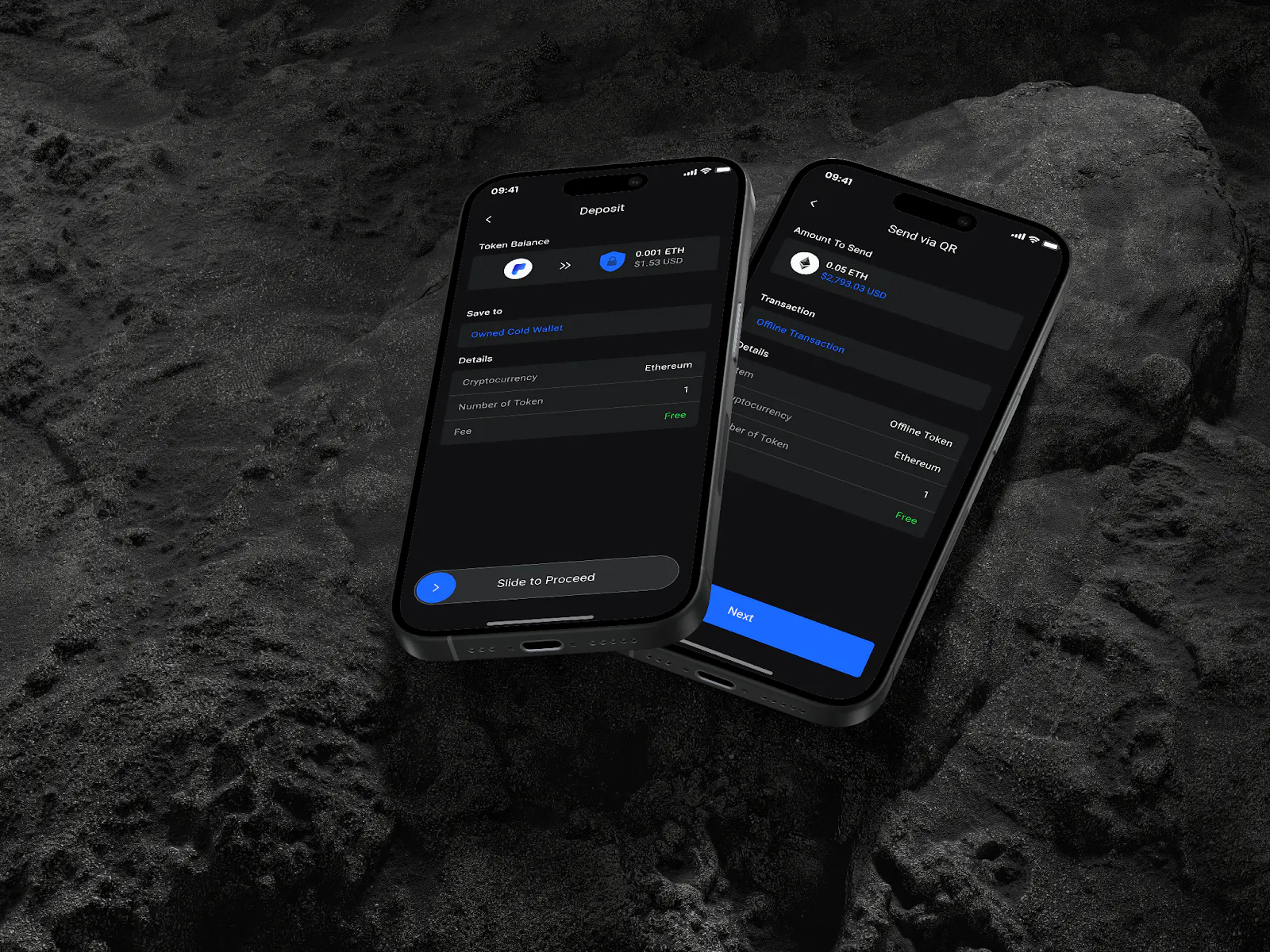
Photo Courtesy of Pure Wallet
Friction has long defined the crypto experience. Fees spike without warning, networks slow at the worst moments, and a simple transfer can demand technical fluency and patience. For all its promise, blockchain often places the burden on the user.
Speed and simplicity remain rare. Traditional wallets connect directly to public blockchains and depend entirely on them for processing. When congestion builds, gas fees climb and confirmations drag. Users stare at pending transactions, hoping they clear before costs rise again.
Pure Wallet positions itself against that tension with a distinct claim:
Rethinking Wallet Infrastructure
Conventional crypto wallets primarily function as signing tools. They store private keys and broadcast transactions to networks such as Ethereum or other supported chains. Validators confirm those transactions, and users pay gas for the computational work required. The wallet itself has little control over timing or cost.
Pure Wallet’s offline wallet introduces a different structure. At its core sits a proprietary offline transaction protocol. Instead of immediately sending every action to a public chain, the system allows users to convert a portion of their online cryptocurrency balance into offline tokens stored locally on the device. These tokens represent transferable value within the Pure Wallet environment and can be exchanged directly between users without requiring immediate blockchain interaction.
This separation changes the experience. Users transact using offline tokens that do not rely on real-time public network conditions. The offline ledger acts as a staging ground, authenticating activity and organizing it before synchronization with external blockchains.
How the Offline Transaction Functions
When a user initiates a transfer within Pure Wallet’s Offline Wallet environment, the transaction takes place using its offline token transaction protocol. Instead of broadcasting a transaction to a public blockchain, the system transfers ownership of the offline token directly between devices.
Ownership and transaction integrity are verified using cryptographic validation mechanisms built into the wallet. Because the exchange occurs locally between devices, the transaction does not immediately interact with blockchain infrastructure.
This approach allows users to complete transfers even in environments where network connectivity is limited or unavailable.
Gas-Free Transfers and Final Settlement
Gas fees exist because public networks require validators to perform computational work. Every transaction competes for space in a block. During high demand, fees increase. Pure Wallet’s offline system removes that competition from the immediate user experience.
Within the wallet, transfers are recorded internally without triggering direct gas costs at the moment of execution. For users, offline token transfers occur without gas fees. Gas costs arise only later, when the tokens are synchronized and recorded on the public blockchain.
By separating the moment of exchange from the moment of blockchain registration, Pure Wallet shifts gas costs away from everyday transfers while preserving compatibility with existing blockchain infrastructure.
What Makes the Architecture Different
Most wallets serve as thin interfaces. They depend almost entirely on the blockchain they connect to. Pure Wallet introduces an additional transaction layer that operates locally on user devices before interacting with external networks.
One visible advantage is responsiveness. Because transfers occur directly between devices, users do not wait for external confirmation to see completion inside the app. Blockchain interaction occurs later when tokens are synchronized with public networks.
The intermediary structure also opens possibilities for broader blockchain compatibility. Since the offline ledger manages transaction logic, new integrations can occur at the synchronization level rather than through a complete redesign of the user interface.
Pure Wallet’s emphasis on offline capability reframes what a wallet can be. Instead of forcing users to adapt to network congestion and fluctuating fees, it introduces a model where everyday transfers occur offline while blockchain networks remain responsible for final settlement.
Adoption depends on decentralization as well as on usability. Gas-free transfers and internal validation tackle two of crypto’s persistent obstacles: cost unpredictability and confirmation delays. Behind the interface sits a layered system, signing, recording, synchronizing that rethinks the wallet’s role. For users, it feels immediate. For engineers, it signals a deliberate redesign of how blockchain interaction can function without exposing every action to the volatility of public networks.
This story was distributed as a release by Jon Stojan under HackerNoon’s Business Blogging Program.