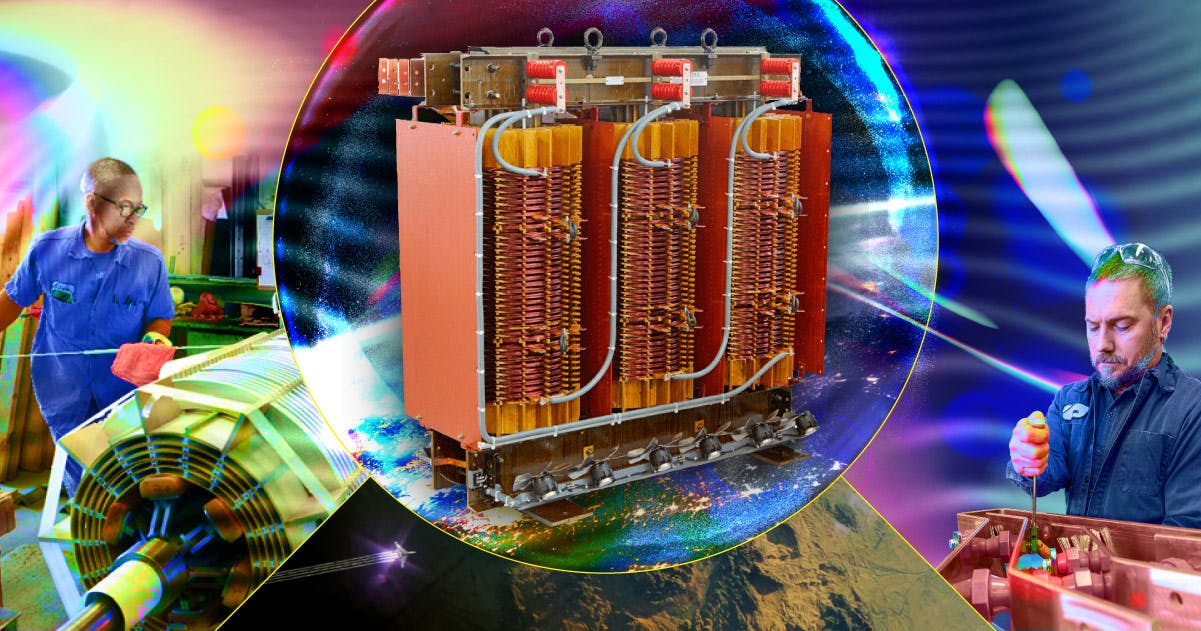
The United States needs a lot of electricity. Many leading industries relying on power to function. Because of this, the country’s energy production is the highest it's ever been. However, this is not nearly enough to meet the current demand, a demand that will only continue to grow in the coming years.
Transportation, industrial, residential and commercial industries lead the way in energy usage. Many businesses, big and small, rely on the United State’s energy supply, made possible by the electrification of the United States over the past half-century.
AI and the Need for Power Demand
The rise of artificial intelligence has also changed the landscape of power usage and how the current supply is distributed. Not only do artificial intelligence search queries require much more energy than traditional queries, but AI data centers are growing by the day. With new data centers and the cooling costs, the demand for power is increasing thanks to AI alone.
America also has an aging power grid, which is not equipped to handle the increased demand for electricity. Most of
If the United States is not able to meet the mounting
Despite these risks, it is difficult to improve the infrastructure of the United States for many reasons. First, the system is nearly 500,000 miles long, making large-scale maintenance very difficult and unattainable. Increasing equipment prices also make it harder for construction to occur with budgetary restrictions present. Longer lead times are also a problem, with suppliers all across the world increasing the time it takes to get necessary pieces to the United States.
Conclusion
In order to mitigate these risks that an aging system and increased AI usage have caused, experts suggest turning to an alternative power source. To work towards this, the United States Government aims to quadruple nuclear energy by 2050.
Alleviating the stress of the current system and moving some operations to nuclear energy can speed up interconnection queues and make all operations more efficient. Moving to US-based suppliers can also help to improve lead times and quality when attaining infrastructure equipment. This can increase overall item availability, decrease shipping time and offer new types of equipment for installment.
If the United States can improve its infrastructure and better prepare for an electric future, the next era of growth and innovation will be bright. People everywhere will reap the benefits of clean energy, fewer power outages, stabilized energy costs, resilience against climate-related disruptions and economic growth.
[story continues]
tags