
1. Introduction & Contract-First Approach
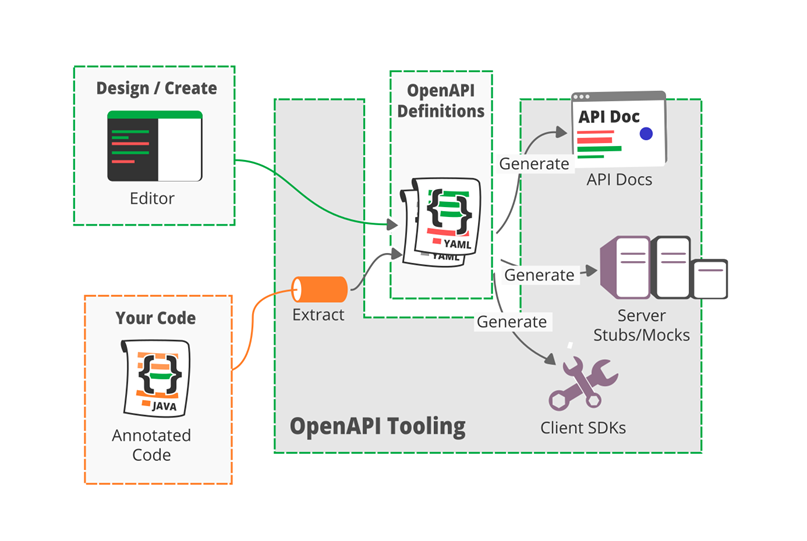
APIs are the arteries of modern software, powering everything from mobile apps to distributed cloud microservices. Building those APIs, however, is rarely as straightforward as writing a few controller methods. If you've worked on any enough complex backend, you've probably wrestled with inconsistent request/response payloads, mismatched client/server contracts, or ambiguous endpoint documentation. I certainly have, and the pain points are always the same: a frontend developer working from outdated documentation, a client blocked because the API shape changed unexpectedly, or integration tests failing because nobody synchronized the contract.
That's why I advocate for the "contract-first," or API-first, approach. Instead of treating the OpenAPI specification as an afterthought—something you generate from annotations or write to satisfy a documentation requirement—you define your API contract before implementing it. This inverts the traditional workflow in a way that fundamentally changes how teams collaborate. Your OpenAPI spec becomes the single source of truth that both server and client implementations derive from, ensuring they can never drift apart. The spec drives automatic, always-current documentation. It aligns product managers, frontend engineers, backend developers, and external partners around a shared understanding before a single line of implementation code is written.
With tools like the OpenAPI Generator and Maven, you can turn a single OpenAPI spec into a production-grade Java REST backend and type-safe SDK clients in multiple languages. I've seen this approach cut integration time from weeks to days in microservice architectures and eliminate entire categories of bugs related to contract mismatches. Today, I'll walk you through building a real workflow for this: from designing the OpenAPI 3.0 spec, to generating Spring Boot controllers and Java client SDKs, to handling API evolution gracefully. I'll also share the gotchas I've learned the hard way in production environments.
2. OpenAPI Specification Setup
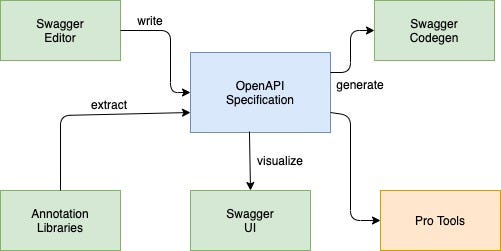
The foundation of everything we're building starts with the OpenAPI spec itself. In a contract-first workflow, your OpenAPI YAML or JSON file isn't just documentation—it's an executable contract that drives code generation, testing, and deployment. Every detail matters because ambiguity in the spec translates directly to ambiguity in generated code. I've learned to be obsessively precise here, because time invested in a well-crafted spec pays exponential dividends downstream.
Consider a basic bookstore API. Before writing any Java controllers or setting up Spring Boot, we define exactly how this API should behave. Here's what that looks like in OpenAPI 3.0:
openapi: 3.0.3
info:
  title: Bookstore API
  version: 1.0.0
  description: |-
    APIs to manage books and orders in a bookstore.
servers:
  - url: http://localhost:8080/api
paths:
  /books:
    get:
      summary: List all books
      responses:
        '200':
          description: A list of books
          content:
            application/json:
              schema:
                type: array
                items:
                  $ref: '#/components/schemas/Book'
    post:
      summary: Add a new book
      requestBody:
        required: true
        content:
          application/json:
            schema:
              $ref: '#/components/schemas/BookRequest'
      responses:
        '201':
          description: Book created
          content:
            application/json:
              schema:
                $ref: '#/components/schemas/Book'
components:
  schemas:
    Book:
      type: object
      required:
        - id
        - title
        - author
      properties:
        id:
          type: string
          format: uuid
        title:
          type: string
        author:
          type: string
        price:
          type: number
        inStock:
          type: boolean
    BookRequest:
      type: object
      required:
        - title
        - author
      properties:
        title:
          type: string
          minLength: 1
        author:
          type: string
        price:
          type: number
          minimum: 1
        inStock:
          type: boolean
          default: true
Notice the level of specificity. I'm not just saying "there's a title field"—I'm declaring it's required, it's a string, and it must have at least one character. The price must be a number with a minimum value of one. The Book model requires an ID, title, and author, while the BookRequest model (what clients send when creating a book) has slightly different requirements. This separation between request and response models is deliberate. In production, you rarely want clients sending IDs for new resources—those should be server-generated. By defining distinct schemas, the generated code enforces these business rules at compile time.
The validation constraints embedded here—minLength, minimum, required—aren't just documentation. When we generate code in the next section, these become actual Hibernate Validator annotations in your Java models. Client SDKs gain the same type safety. A TypeScript client will know that price is a number, not a string. A Go client will have required fields that can't be omitted. This is the power of treating the contract as code: you're not just describing the API, you're programming the behavior of every system that interacts with it.
For project organization, I recommend keeping your OpenAPI spec in the resources directory in your repository. In a Maven project, the structure typically looks like this:
project-root/
  src/
    main/
      java/...
      resources/
        bookstore-api.yaml
        ...
    test/
      java/...
  pom.xml
This separation also enables smooth integration with CI/CD tools. Your pipeline can lint the spec, generate documentation, run contract tests, and publish versioned artifacts—all independent of your Java compilation. The spec becomes the input to multiple downstream processes, not just a sidecar to your server implementation.
3. Server-Side Generation
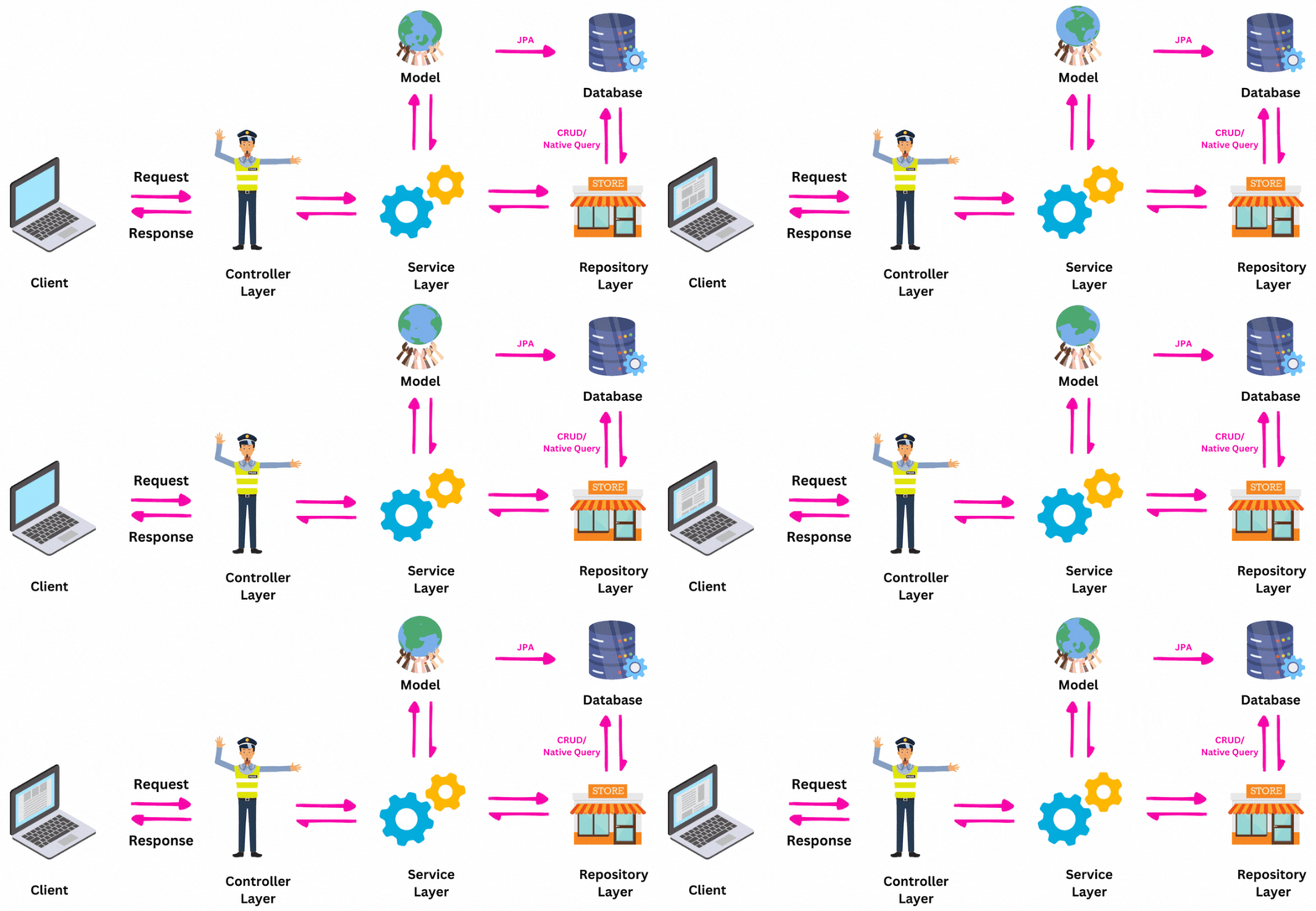
With a solid spec in hand, we're ready to generate our Spring Boot server code. The OpenAPI Generator Maven plugin is the engine that transforms our declarative YAML into concrete Java interfaces and model classes. Configuring this plugin correctly is crucial because it determines not just what code gets generated, but how that code integrates with your handwritten business logic.
Here's the plugin configuration in your pom.xml that I've refined across multiple production projects:
<plugin>
  <groupId>org.openapitools</groupId>
  <artifactId>openapi-generator-maven-plugin</artifactId>
  <version>7.12.0</version>
  <executions>
    <execution>
      <id>code-generate-spring</id>
      <goals>
        <goal>generate</goal>
      </goals>
      <configuration>
        <inputSpec>${project.basedir}/src/main/resources/bookstore-api.yaml</inputSpec>
        <generatorName>spring</generatorName>
        <apiPackage>com.bookstore.api</apiPackage>
        <modelPackage>com.bookstore.model</modelPackage>
        <invokerPackage>com.bookstore.invoker</invokerPackage>
        <library>spring-boot</library>
        <configOptions>
          <reactive>true</reactive>
          <delegatePattern>true</delegatePattern>
          <interfaceOnly>true</interfaceOnly>
          <useTags>true</useTags>
          <dateLibrary>java8</dateLibrary>
          <useBeanValidation>true</useBeanValidation>
        </configOptions>
      </configuration>
    </execution>
  </executions>
</plugin>
The interfaceOnly option is the key architectural decision here. When set to true, the generator creates Java interfaces for each API path—not concrete implementations. This gives you the perfect separation of concerns: the generated code defines the contract (method signatures, parameter types, return types), while your handwritten code provides the implementation. I cannot overstate how valuable this separation becomes as APIs evolve. When you modify your OpenAPI spec and regenerate, your IDE immediately shows you which controller methods need updates because the interface changed. No grep'ing through logs, no runtime surprises—just compile-time feedback.
The useBeanValidation flag enables Hibernate Validator annotations on generated model classes. Remember those minLength and minimum constraints in our spec? They become @NotNull, @Min, and @Size annotations in the generated Java code. Spring Boot's validation framework automatically enforces these when requests arrive, rejecting invalid data before it reaches your business logic.
After running mvn clean generate-sources, you'll find generated code under target/generated-sources/openapi. I've seen teams make the mistake of modifying this generated code directly. Don't. Treat generated sources as immutable build artifacts, like compiled .class files. Any changes you make will be overwritten on the next build. Instead, your implementations live in your main source directory and reference the generated interfaces:
package com.bookstore.controller;

import com.bookstore.api.BooksApi;
import com.bookstore.model.Book;
import com.bookstore.model.BookRequest;
import org.springframework.http.ResponseEntity;
import org.springframework.web.bind.annotation.RestController;

import java.util.List;

@RestController
public class BooksController implements BooksApi {

    private final BookRepository bookRepository;
    private final BookService bookService;

    public BooksController(BookRepository bookRepository, BookService bookService) {
        this.bookRepository = bookRepository;
        this.bookService = bookService;
    }

    @Override
    public ResponseEntity<List<Book>> getBooks() {
        List<Book> books = bookRepository.findAll();
        return ResponseEntity.ok(books);
    }

    @Override
    public ResponseEntity<Book> addBook(BookRequest bookRequest) {
        Book createdBook = bookService.addBook(bookRequest);
        return ResponseEntity.status(201).body(createdBook);
    }
}
This pattern feels natural in practice. You're implementing an interface, just like any other Java development. The difference is that this interface was derived from your API contract, so you get compile-time guarantees about correctness. If you add a new required parameter to an endpoint in your OpenAPI spec, the generated interface changes, and your controller won't compile until you update the implementation. This catches integration bugs at build time rather than in staging or—worse—production.
The validation annotations on generated models work automatically with Spring's @Valid annotation, but surfacing errors to clients in a user-friendly format requires a bit of plumbing. In production, I always implement a global exception handler to transform validation failures into structured error responses:
@ControllerAdvice
public class ApiExceptionHandler {

    @ExceptionHandler(MethodArgumentNotValidException.class)
    public ResponseEntity<ApiError> handleValidationError(MethodArgumentNotValidException ex) {
        ApiError error = new ApiError();
        error.setStatus(400);
        error.setMessage("Validation failed");
        error.setErrors(ex.getBindingResult()
            .getFieldErrors()
            .stream()
            .map(err -> err.getField() + ": " + err.getDefaultMessage())
            .collect(Collectors.toList()));

        return ResponseEntity.badRequest().body(error);
    }
}
This ensures that when a client sends a book with a negative price or an empty title, they receive a clear, actionable error message rather than a generic 500 or a stack trace. The validation rules specified once in your OpenAPI contract now flow all the way through to the error responses your clients see.
One pitfall I've encountered repeatedly: teams sometimes struggle with the generated code being "in the way" during development. They're tempted to edit it for quick fixes or to add custom annotations. The solution is to use extension points. If you need custom behavior, extend or wrap the generated classes in your own source tree. Use .openapi-generator-ignore to prevent the generator from overwriting specific files if you absolutely must customize generated code, but be cautious—you're opting out of automatic contract enforcement for those files. In most cases, composition beats modification: write adapter classes that delegate to generated code while adding your customizations.
4. Client SDK Generation
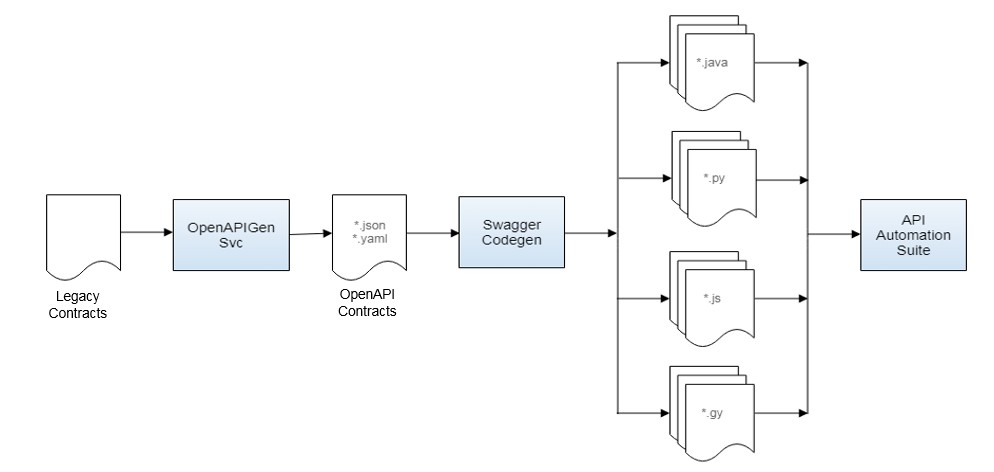
The contract-first approach truly shines when you realize your OpenAPI spec can generate not just server code, but type-safe client SDKs in virtually any language. This is transformative for microservice architectures and external API consumers. Instead of each client team hand-rolling HTTP requests and parsing JSON, they get a strongly-typed SDK that's automatically synchronized with your server implementation—because both derive from the same contract.
Generating a Java client SDK uses the same plugin with a different generator configuration:
<execution>
  <id>generate-java-client</id>
  <goals>
    <goal>generate</goal>
  </goals>
  <configuration>
    <inputSpec>${project.basedir}/src/main/resources/bookstore-api.yaml</inputSpec>
    <generatorName>java</generatorName>
    <library>resttemplate</library>
    <apiPackage>com.bookstore.client.api</apiPackage>
    <modelPackage>com.bookstore.client.model</modelPackage>
    <output>${project.build.directory}/generated-sources/java-client</output>
  </configuration>
</execution>
After running mvn clean generate-sources, you have a fully functional Java client SDK with the same strong typing as your server. Here's what using that SDK looks like in a separate microservice or integration test:
import com.bookstore.client.api.BooksApi;
import com.bookstore.client.model.Book;
import com.bookstore.client.model.BookRequest;
import org.springframework.web.client.RestTemplate;

public class BookInventoryFetcher {
    private final BooksApi booksApi;

    public BookInventoryFetcher(String apiUrl) {
        RestTemplate restTemplate = new RestTemplate();
        booksApi = new BooksApi();
        booksApi.setApiClient(new ApiClient(restTemplate).setBasePath(apiUrl));
    }

    public List<Book> fetchBooks() {
        return booksApi.getBooks();
    }

    public Book createBook(String title, String author, Double price) {
        BookRequest request = new BookRequest();
        request.setTitle(title);
        request.setAuthor(author);
        request.setPrice(price);

        return booksApi.addBook(request);
    }
}
Notice what's happening here. The client code has no raw HTTP calls, no JSON parsing, no string concatenation of URLs. The BooksApi class provides type-safe methods like getBooks() that return List<Book>. The Book and BookRequest models have the same fields, types, and validation constraints as the server. If the server API changes—say, you rename inStock to available—the client SDK regenerates with that change, and any code using the old field name stops compiling. This is contract enforcement at its finest.
The same workflow applies to other languages. Want a TypeScript client for your web frontend? Change generatorName to typescript-axios. Need a Python SDK for a data pipeline? Use python. Go for infrastructure tooling? go. The OpenAPI Generator supports dozens of languages, each with multiple library options. In one project, I maintained server code in Java, a TypeScript SDK for the React frontend, a Python SDK for ML engineers, and a Go SDK for infrastructure automation—all generated from the same OpenAPI spec. When the API evolved, I regenerated all four SDKs in a single build step. The alternative—manually maintaining four client implementations—would have been a coordination nightmare.
Publishing these SDKs is straightforward. Package the Java client as a Maven artifact and deploy it to your internal repository. Use npm for TypeScript, PyPI for Python, and so on. Version the SDKs to match your API version, and consuming teams can depend on them like any other library. This transforms your internal APIs into first-class, versioned products rather than endpoints that teams access via curl and prayer.
5. Advanced Patterns
In production, APIs don't stay static. Requirements change, new features emerge, and you discover design flaws that need correction. The contract-first approach, combined with generated code, provides elegant patterns for handling this evolution while maintaining stability for existing consumers.
Maintaining multiple API versions side-by-side is surprisingly straightforward. Keep separate spec files—bookstore-v1.yaml and bookstore-v2.yaml—and configure separate plugin executions for each. Your server can implement both BooksApiV1 and BooksApiV2 interfaces, routing requests based on a version header or URL path segment like /api/v1/books versus /api/v2/books. I've used this pattern to keep legacy endpoints alive for mobile apps that can't update immediately while rolling out breaking changes to web clients. The generated code keeps each version's contract enforced independently, preventing accidental cross-contamination of v1 and v2 logic.
Integrating code generation into your CI/CD pipeline automates contract enforcement across your entire development workflow. In GitHub Actions or Jenkins, add a build step that runs mvn clean generate-sources and fails if generated code doesn't match what's committed. This catches developers who modified the spec locally but forgot to regenerate code, or vice versa. Here's a snippet from a GitHub Actions workflow that I use:
name: API Contract Validation
on: [push, pull_request]
jobs:
  validate:
    runs-on: ubuntu-latest
    steps:
      - uses: actions/checkout@v3
      - name: Set up JDK
        uses: actions/setup-java@v3
        with:
          java-version: '17'
      - name: Generate OpenAPI code
        run: mvn clean generate-sources
      - name: Check for uncommitted changes
        run: |
          git diff --exit-code target/generated-sources/openapi
If generated code differs from what's in the repository, the build fails. This simple check has saved me from countless "it works on my machine" bugs related to contract drift.
Contract testing takes this further by validating that both server and client implementations actually conform to the spec, not just that code was generated from it. Tools like Schemathesis or Spring Cloud Contract can execute tests against the running server using the OpenAPI spec as the test definition. These tests send requests covering every endpoint and parameter combination defined in the spec, then validate responses match the schema. I've caught bugs where business logic returned nullable fields that the spec declared non-nullable, or where enum values in practice diverged from the contract. Traditional unit tests rarely catch these issues because they test specific scenarios, not the entire contract surface.
Documentation generation is almost trivial when your API is defined in OpenAPI. Adding Springdoc-OpenAPI to your dependencies automatically serves interactive Swagger UI documentation:
springdoc.api-docs.path=/api-docs
springdoc.swagger-ui.path=/swagger-ui.html
With the server running, navigate to /swagger-ui.html and you have live, interactive API documentation that stays in sync with your implementation because it's reading directly from the runtime application. For static documentation—say, for embedding in a developer portal—generate ReDoc HTML as part of your build:
npx redoc-cli bundle src/main/resources/bookstore-api.yaml -o docs/api-documentation.html
I've seen teams struggle with documentation staleness for years before adopting this approach. Once your spec is the source of truth, documentation becomes a free byproduct rather than a maintenance burden.
6. Real-World Example: Bookstore Microservice
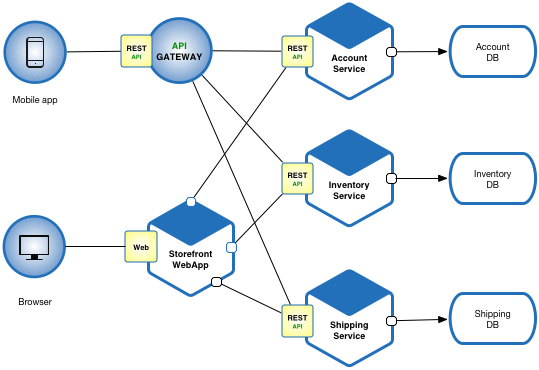
To see how all these pieces fit together in practice, consider a microservices architecture where Product and Inventory services need to coordinate. The Product service manages book metadata and handles customer queries. The Inventory service tracks stock levels and processes reservations. Both need to share a common understanding of what a "book" is and how stock checks work.
Start by defining a shared OpenAPI contract in bookstore-api.yaml that includes endpoints for querying available books and reserving inventory. In the Product service's pom.xml, configure the generator to create Spring server interfaces:
<execution>
  <id>code-generate-spring</id>
  <goals><goal>generate</goal></goals>
  <configuration>
    <inputSpec>${project.basedir}/src/main/resources/bookstore-api.yaml</inputSpec>
    <generatorName>spring</generatorName>
    <apiPackage>com.company.bookstore.product.api</apiPackage>
    <modelPackage>com.company.bookstore.model</modelPackage>
    <configOptions>
      <interfaceOnly>true</interfaceOnly>
      <useBeanValidation>true</useBeanValidation>
    </configOptions>
  </configuration>
</execution>
The Product service implements these interfaces to expose REST endpoints. Meanwhile, in the Inventory service's pom.xml, configure the generator to create a Java client:
<execution>
  <id>generate-java-client</id>
  <goals><goal>generate</goal></goals>
  <configuration>
    <inputSpec>${project.basedir}/src/main/resources/bookstore-api.yaml</inputSpec>
    <generatorName>java</generatorName>
    <library>resttemplate</library>
    <apiPackage>com.company.bookstore.inventory.client</apiPackage>
    <modelPackage>com.company.bookstore.model</modelPackage>
    <output>${project.build.directory}/generated-sources/java-client</output>
  </configuration>
</execution>
Now the Inventory service can call Product service endpoints using a type-safe SDK instead of raw HTTP. Both services share identical model definitions—the Book class is generated identically in both codebases because it comes from the same spec. If you add a new field to Book in the contract, both services regenerate with that field. The Product service's endpoints automatically accept and return the new field, and the Inventory service's client SDK includes it. There's no way for the services to drift apart because the contract binds them together.
For frontend integration, add a TypeScript client generation step:
<execution>
  <id>generate-typescript-client</id>
  <goals><goal>generate</goal></goals>
  <configuration>
    <inputSpec>${project.basedir}/src/main/resources/bookstore-api.yaml</inputSpec>
    <generatorName>typescript-axios</generatorName>
    <output>${project.build.directory}/generated-sources/typescript-client</output>
  </configuration>
</execution>
Package the TypeScript SDK as an npm module, publish it to your registry, and frontend developers import it like any library. When they call booksApi.getBooks(), TypeScript's compiler enforces that they handle the response correctly—it knows the shape of the Book object, which fields are optional, and what types they have. The entire stack, from database to UI, is now bound by a single contract.
In practice, I've seen this approach cut feature development time dramatically. A new "add review" feature that touches frontend, Product service, and Inventory service used to require careful coordination between three teams to ensure everyone's JSON payloads matched. With generated code, we updated the OpenAPI spec with a new /books/{id}/reviews endpoint, regenerated all artifacts, and each team implemented against their generated interfaces. Integration happened in hours, not days, because mismatches were caught at compile time.
7. Pitfalls & Lessons Learned
I've deployed this pattern across fintech platforms, e-commerce marketplaces, and SaaS products. It's not a silver bullet—there are scenarios where it struggles and mistakes that can undermine the benefits. Here's what I've learned the hard way.
Code generation makes the most sense when your API contract is relatively stable. If your spec is in flux—changing daily as you explore a new feature space—you'll spend more time regenerating and updating implementations than you save. In early-stage projects or when prototyping, I sometimes write controllers by hand first, iterate until the design feels right, then reverse-engineer an OpenAPI spec and switch to generation for the production implementation. Trying to spec-first before you understand the problem space leads to churn and frustration.
Breaking changes are the eternal challenge of API evolution. Even with perfect tooling, removing a field or changing a data type breaks clients. Versioning is the answer, but it requires discipline. When introducing breaking changes, bump the API version in your spec (e.g., from 1.0.0 to 2.0.0), generate new endpoints under /v2, and keep /v1 alive until all consumers migrate. Set deprecation timelines and communicate them clearly. The generated code can help here—run both v1 and v2 servers simultaneously in the same Spring Boot app, each with their own generated interfaces, until v1 traffic drops to zero.
Managing generated code across repository boundaries requires careful dependency management. If you're generating and publishing client SDKs, version them carefully. Pin SDK versions in consuming projects to avoid surprise breakages. I've seen teams publish SDK patches that silently changed behavior because they forgot to bump the version number. Treat SDKs as public APIs themselves, with semantic versioning and changelogs.
Never, ever modify generated source files directly. It's tempting when you're in a hurry—just add that one annotation, tweak that method signature—but you've now created a time bomb. The next developer runs a build, the generator overwrites your change, and hours of debugging ensue. Use .openapi-generator-ignore sparingly and only for files you truly want to manage manually, like README files or example configurations. For code customizations, extend generated classes or use adapter patterns in your source tree.
Dependency conflicts between generated code and your application can be subtle. The generated client might pull in a version of Jackson or Spring that conflicts with your main application. Manage this with dependency exclusions in your POM and careful choice of generator libraries. I typically generate clients in separate Maven modules to isolate their dependencies from the main application.
Test automation is non-negotiable. Just because code is generated doesn't mean it's correct. Your OpenAPI spec might have a typo, or your business logic might not match the contract. Write integration tests that exercise the full request/response cycle. Run contract tests that validate the server against the spec. Test client SDKs against the running server. The tooling gives you compile-time safety for the interface, but runtime correctness is still your responsibility.
8. Conclusions and Final Thoughts
The contract-first approach—defining your OpenAPI spec before writing code—fundamentally changes how teams build and maintain APIs. By using OpenAPI Generator and Maven, you transform a declarative YAML file into a comprehensive suite of server interfaces, data models, client SDKs, and documentation. This inversion of the traditional workflow has profound effects: integration issues surface at compile time rather than runtime, client and server implementations can't drift apart, and documentation stays current because it's generated from the same source of truth.
From real-world experience across multiple production systems, the productivity gains are substantial. Features that once required careful coordination between backend and frontend teams—with inevitable integration delays when reality didn't match assumptions—now proceed in parallel with confidence. The contract provides a fence that both sides can develop against independently, meeting in the middle with generated code ensuring compatibility.
The approach scales particularly well as systems grow. Adding a new microservice that needs to call existing APIs? Generate a client SDK and you're working with type-safe methods, not HTTP libraries and JSON parsing. Exposing APIs to external partners? Publish SDKs in their language of choice, all guaranteed to match your server implementation. Supporting mobile apps that update slowly? Keep old API versions alive with separate generated interfaces until usage drops to zero.
The benefits compound with API maturity. Initial setup has friction—learning the generator options, deciding on project structure, establishing workflows—but once established, the patterns become second nature. Each new endpoint added to the spec automatically propagates to server code, client SDKs, and documentation. Each field added to a model updates everywhere simultaneously. The maintenance burden of keeping disparate systems synchronized largely disappears.
This isn't a magic solution to all API challenges. You still need to design good APIs, with sensible resource models and clear semantics. You still need to manage versions and communicate breaking changes. You still need comprehensive testing. But the contract-first approach with code generation removes an entire category of problems—the tedious, error-prone work of keeping implementations synchronized with contracts. It lets you focus on the hard problems: what the API should do, not whether all the pieces agree on how it's supposed to work.
For teams building distributed systems, microservices, or public APIs, the investment in contract-first development with OpenAPI Generator pays off quickly. The upfront effort to learn the tooling and establish patterns is measured in days. The ongoing benefits—fewer integration bugs, faster development, automatic documentation, type-safe clients—accrue over the entire lifetime of the API. In an industry where API maintenance is a major cost driver, this approach provides rare leverage: do the work once in the contract, and propagate it automatically everywhere it's needed.
[story continues]
tags