


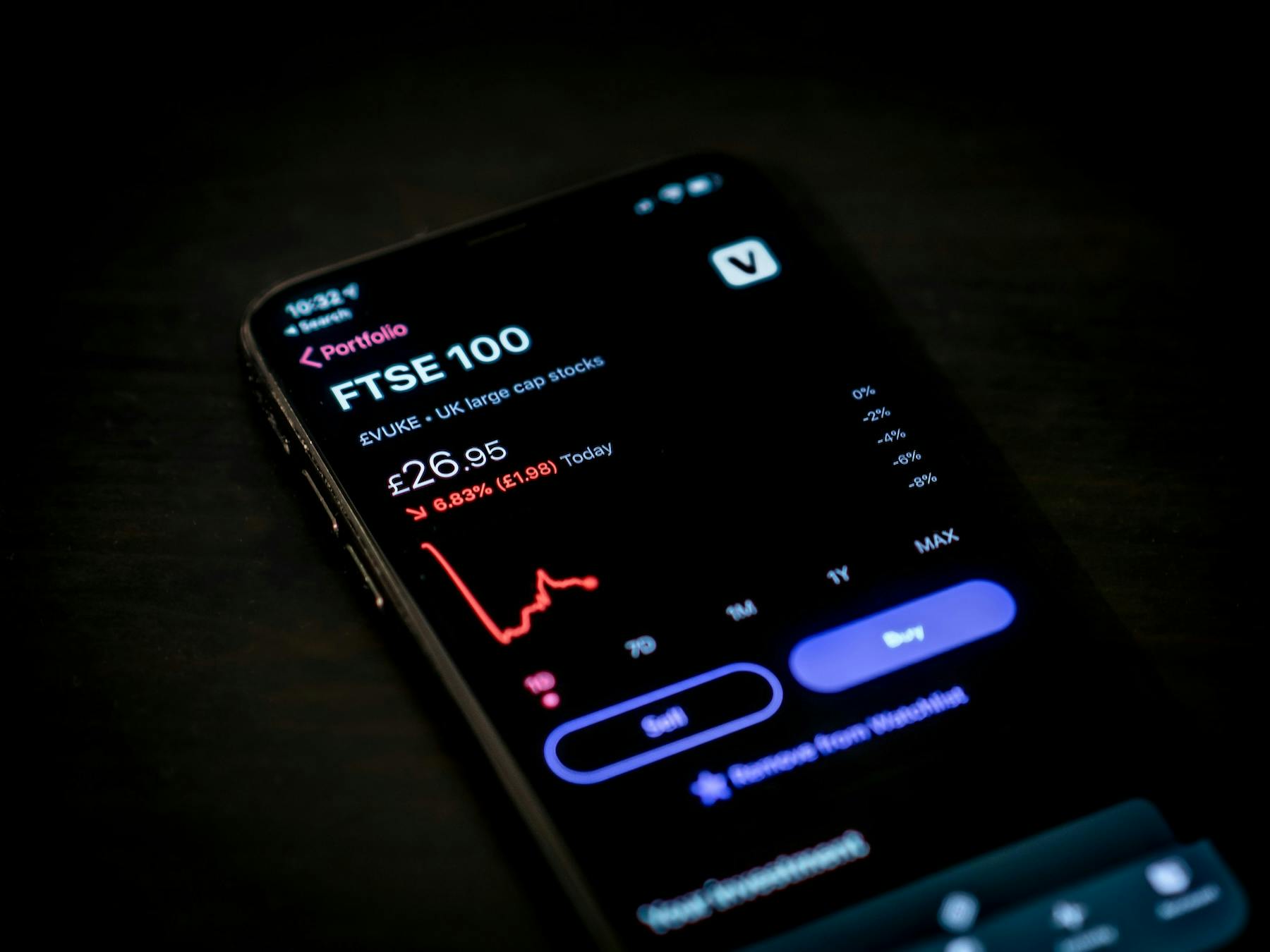
Equities in the United Kingdom have enjoyed a rip-roaring year that’s outpaced even the likes of Wall Street. Could it be time for pension savers to embrace the boom by making the switch to a SIPP?
It’s no mean feat for any index to beat US markets, especially at a time when artificial intelligence stocks in the United States continue to inspire confidence in investors, but the FTSE 100 has done just that. What’s more is that the index appears to show no signs of slowing down.
For the first 11 months of 2025, the UK’s FTSE 100 index, which is comprised of the London Stock Exchange’s 100 most valuable stocks, posted growth of 17.68%. The S&P 500, which focuses on the 500 largest stocks in the United States, managed to climb 16.71% over the same period.
These are both impressive rates of growth, but for London’s FTSE 100, it’s a remarkable feat of resilience.
Not only does data show that the stock exchange is performing 10% stronger than the MSCI AC World index, which encapsulates world equities, but the FTSE 100 is also on course to post its
The growth of UK companies will be good news for pension holders, with many pots carrying an emphasis on domestic stocks and shares, but could it be time for more of us to tap deeper into the opportunities presented by the soaring FTSE 100 by opening a Self-Invested Personal Pension?
Taking Control of Your Pension
Self-Invested Personal Pensions, or SIPPs, for short, are a pension wrapper that provides individuals with the opportunity to manage their own investments ahead of retirement, presenting them with full control over a wide range of different investment options in comparison to traditional personal or workplace pensions.
By opening a SIPP, individuals can
Crucially, SIPPs qualify for tax advantages in a similar way to traditional pensions, with the government providing tax relief on contributions up to the earnings of the pension holders up to a maximum annual allowance of £60,000 (or 100% of their annual income, whichever is lowest).
For basic-rate taxpayers, they can
This tax-free wrapper means that SIPPs are exempt from UK income tax and capital gains tax, and holders are free to access the money in their pension pot from the age of 55, though the age to access pensions is set to rise to 57 starting in April 2028.
When it comes to withdrawing money in a SIPP at retirement age, it’s possible to take up to 25% of the pot as a tax-free lump sum, while the remaining funds can be taken as a flexible income (flexi-drawdown), used to purchase a guaranteed income for life (annuity), or a taking a combination of lump sums. However, this remaining 75% would be subject to income tax at the applicable marginal rate.
When it comes to inheritance, SIPPs can also be passed on to beneficiaries and, in many cases, are free from Inheritance Tax. However, minimum thresholds for IHT would apply, depending on the value of your estate, and
Benefiting From UK Investments
Typical pension providers are more likely to prioritise stable growth, a SIPP can be a great option if you believe that strength in the FTSE 100 could open the door to more investment opportunities.
Opting for a Self-Invested Personal Pension means that you’ll gain full control over your investments, which gives you the freedom to build your pot in a way that matches your financial goals.
However, it also means that you’ll be responsible if anything goes wrong, and if you’re heavily committed to high-risk growth stocks, you may find yourself with less money in your pot than you started with.
SIPPs can also be a
Managing Pension on Your Terms
There’s no right or wrong way to plan for your retirement, and opening a SIPP can be an option if you want a more hands-on experience in building your pension pot.
Picking your own investments doesn’t suit everyone, however, and it’s always worth looking for advice from a financial adviser if you’re unsure whether a SIPP is right for you.
At a time when the FTSE 100 is posting record growth, more SIPP investors can benefit from soaring UK stocks, and the added control may help individuals to find more financial comfort in their retirement.