
Crypto was built to be open, fast, and available for everyone, anywhere. It’s also decentralized, with no single central party behind. Free, as in freedom. But it’s not exactly free when we talk about costs. There are fees every time you transact, even if your action isn’t a payment. Since there’s no company handling this, where do those fees go? Why do they exist at all?
Let’s see how those fees are part of the magic, too.
Fees in Crypto Networks —and Who Gets Them
Are your fees a payment for
That ‘someone’ is actually many people across the globe. Every distributed, decentralized crypto network is formed by hundreds or thousands of nodes (computers), which are running the needed software, all in sync. So, the fees that are collected from the users are, partly, an incentive for these volunteers to continue their participation in the system.
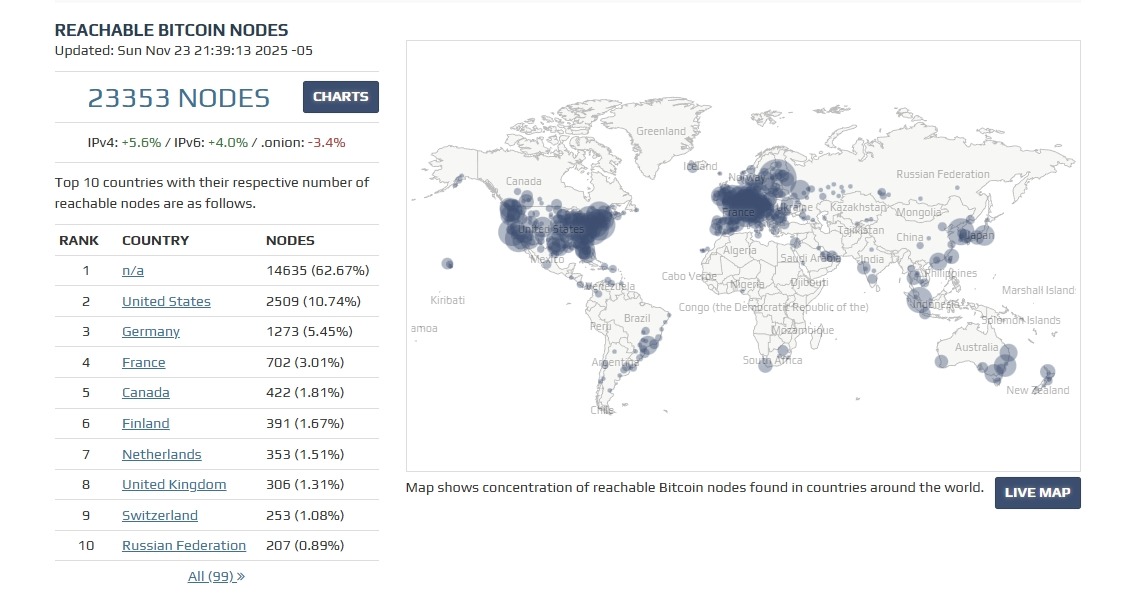
On Bitcoin, the nodes in charge of creating new blocks of valid transactions are called miners. They receive these fees, plus new coins created by the system. Ethereum has a similar mechanism with ‘
The final destination of these small payments depends on each platform. Some send most or all fees to their version of block producers. Others burn a portion, redirect a part to a treasury, or use them to fund ecosystem development. The exact split depends on each network’s economic design and governance rules.
Transparency is important in crypto, so you’ll always see every cost upfront. Even if the network developers want to change something (like creating a development fund), they’ll surely
Why Most Crypto Networks Need Fees
Of course, as we mentioned above, the first reason is incentive. Someone has to fully commit the electricity, hardware, or locked-up funds to validate transactions. Fees reward that job and give participants motivation to play by the rules rather than cheat the system. This’s just for starting, though.
Another reason is protection. Platforms stripped of fees can be maliciously spammed with worthless transactions, resulting in a clogged network for every legitimate participant. By attaching a cost to each action, networks make abuse uneconomical. This is one of the simplest defenses decentralized systems use to stay functional.

There’s also a problem of some transactions taking up more data than the others, especially during high-demand periods. They can’t be processed simultaneously, and the space available isn’t endless. Therefore, some transactions may need to be added before others. During these high-demand times, the network needs a neutral way to organize the data without getting a manager or opening a “customer support” ticket (there’s no customer support, by the way).
Ever-changing Network Fees
It’s important to note that fees change with general network activity, and depending on the size and complexity of each action. For instance, a small payment will charge fewer fees than a smart contract. And the more people use the platform, the more competition there will be for space and priority. Therefore, fees could increase.
During periods of low activity, users will notice a cheaper network. Conversely, busy periods will be the opposite. Sending funds during a high-demand time will result in more fees and slower transactions than during quiet days. That’s true for blockchains, at least. In a Directed Acyclic Graph (DAG) structure like
That’s because, instead of miners or “validators,” transactions here are ‘approved’ by their users only. To agree about their order, we have
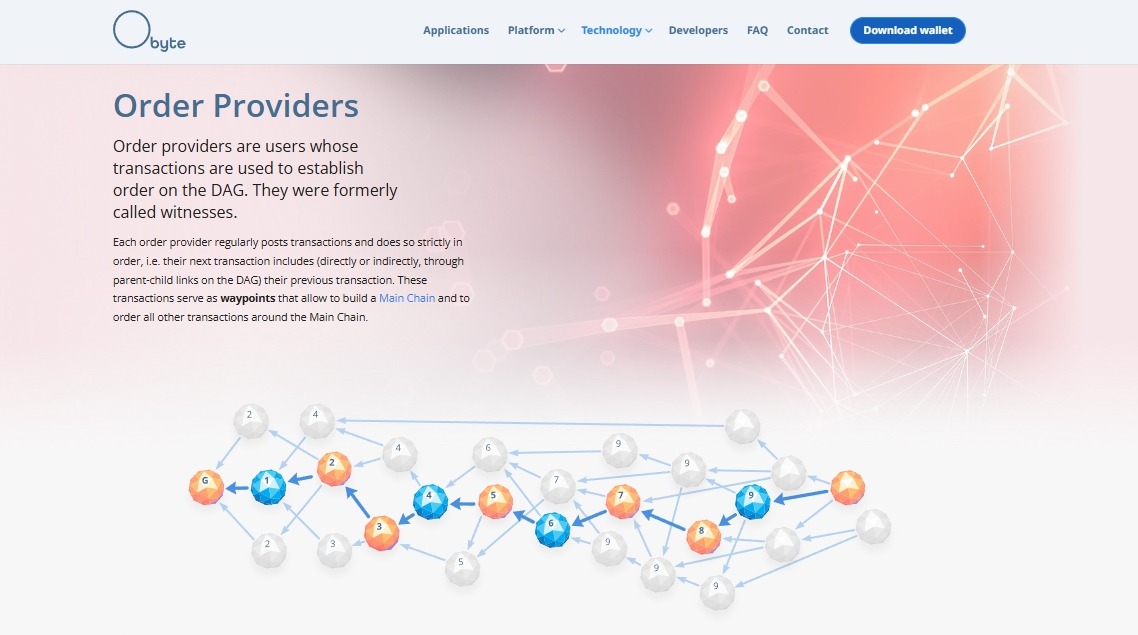
Every transaction you send to the DAG, whether it’s a payment or something else, comes with a tiny fee based on how much space it takes up. So, if a transaction uses about 800 bytes of data, the fee is 800 bytes of the currency. That’s the usual case, and in practice it works out to roughly $0.00001 in Obyte’s native coin, GBYTE.
As we can see, transaction fees in crypto networks aren’t a punishment, and they’re not always a reward, either. Those fees are the cost of safety. They’re proof that the ledger is decentralized, meaning it’s open to anyone, and it has protective measures in place to keep the system from being abused.
Featured Vector Image by vectorjuice /
[story continues]
tags