We live in the age of Alexandria, when every book and every piece of knowledge ever written down is a fingertip away | Naval Ravikant
In today’s world, information is abundant, almost effortless to obtain. What remains difficult is execution. Knowing something and building something are no longer the same skill.
You can get an answer in three seconds, but every technological shortcut comes with a trade-off.
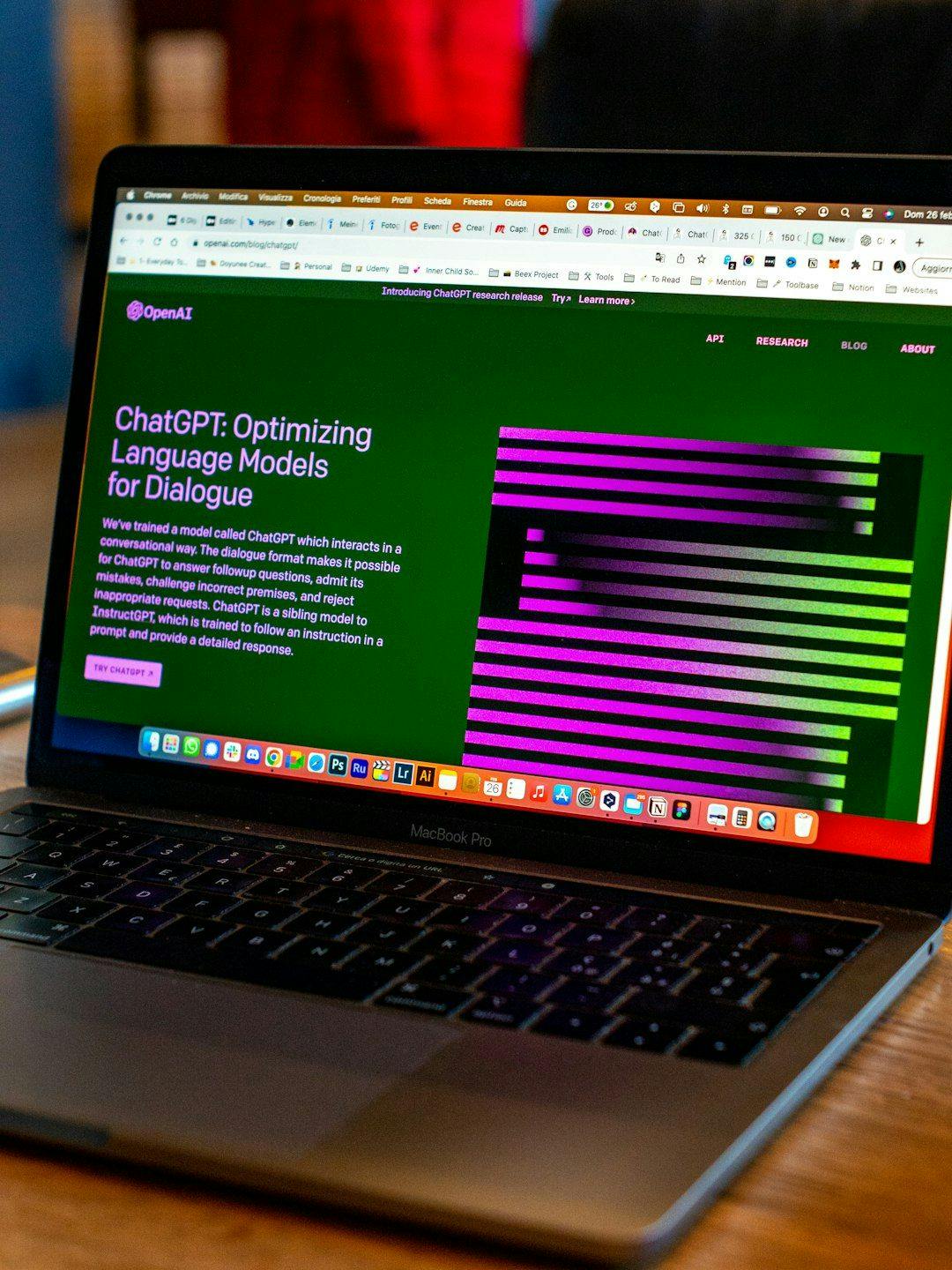
Generative AI has transformed the landscape. Content creation will never look the way it once did. Now, everyone can produce material, yet very few can explain, defend, or truly understand the ideas behind it.
Generative AI

Many people feel life has become easier, and the urge to search deeply for knowledge is fading. “I don’t really need books anymore, ChatGPT gives me whatever I want,” says Julia, a content creator passionate about marketing.
Looking at the world today, our relationship with reading and learning has clearly changed. We crave quick answers, just like we scroll through short videos. Attention spans shrink, reading time drops, and instead of engaging with ideas, we often choose convenience over understanding.
Generative AI can produce text, but it has no lived experience or real expertise. In a world saturated with content, continuous learning is what actually sets people apart.
- AI won’t make you a writer. Reading will. Books force you to confront ideas, question your assumptions, and refine your thinking in ways automation cannot.
- You must know when to rely on yourself and when to use AI as a tool. Ideas shape the world, and you should be capable of explaining and defending the ones you share.
- AI is not a replacement for learning. Regular exposure to new concepts and perspectives sharpens judgment and builds genuine critical thinking.
We don’t need to reject AI. The world moves through constant disruption, and no one can predict the next shift; adaptability is the real skill. As a writer, knowing when to use generative AI matters. It should support your thinking, not replace it. Ask yourself these questions during your writing process, don’t let AI think for you:
-
Where am I strongest in my writing process?
-
What value should I contribute as a digital writer when using AI?
- Am I prepared to stand behind everything I publish?
The internet has no borders. The moment you share something, it belongs to the public, and you never know who reads it.
So write with accountability. If you’re not ready to defend your ideas, rethink how you create and publish.
The internet has no borders. Once you publish something, it’s effectively public forever, and you have no control over who reads it. If you’re not prepared to defend your ideas, rethink how you write.
Today, many platforms allow contributors to post without real review or feedback.
The result is predictable: a flood of low-effort content. That’s why strong plagiarism checks and editorial standards matter. Filtering submissions isn’t gatekeeping; it protects originality and rewards genuine thinking.
As a digital writer, where does AI actually help?
-
Brainstorming or testing article titles
-
Suggesting keywords for search optimization.
-
Content strategy and Ideation
That’s about it!
The core thinking, arguments, and explanations must come from you. Otherwise, the work isn’t really yours — and readers can tell.
Reading is a mental sport

Reading is a mental sport. The more you read, the more you expand your knowledge and see the world from new perspectives. Every time we read and spend time alone, we strengthen our focus, challenge our thinking, and become sharper thinkers. These are skills that generative AI cannot give you, so make reading a daily habit.
How to sharpen your thinking in the age of generative AI:
- Dedicate 30 minutes to an hour each day to read a book.
- Explore classic books to gain the timeless wisdom AI can’t provide.
- Seek out uncomfortable conversations that challenge your beliefs.
- Take regular walks and step away from screens to clear your mind.
- Learn from every author you read, even if you disagree. This is how I push my thinking every day and improve as a writer.
Excellence in writing comes from reading; there’s no substitute, and there’s no debate.
5 books that made me a better thinker

-
Deep Work by Cal Newport: Master the ability to focus without distraction; produce high-value work and achieve peak productivity in a world full of shallow tasks.
-
Limitless by Jim Kwik: Unlock your brain’s potential by improving memory, learning speed, and mental clarity; cultivate habits that expand your cognitive abilities.
-
The 5 AM Club by Robin Sharma: Start your day early with intentional routines that boost productivity, health, and personal growth; use the first hours of the morning for mastery, reflection, and exercise.
-
Show Your Work by Austin Kleon: Build an audience by sharing your creative process openly; transparency, storytelling, and small, consistent outputs attract attention and opportunities.
-
The Ultimate Marketing Plan by Dan Kennedy: Craft a clear, actionable marketing strategy that drives consistent growth; focus on messaging, positioning, and execution over guesswork.
Conclusion
Generative AI: we can’t escape it. It’s part of our creative processes now. Don’t let it use you; use it to your advantage. The future of AI is continuous learning; it’s not a substitute for our experience and expertise. We will always be learners. Keep learning and use AI wisely.
[story continues]
tags