
In 1999, Fight Club flopped at its first public screening - the studio hated it, audiences didn’t get it, and nobody was calling it a classic. Only later did it quietly grow into a cult thing everyone pretends they loved from day one.
Now jump to 2008: crisis hits, all the “responsible adults” around me repeat the same spell - never touch markets again. I’m eight, my main asset is an Xbox. Let’s imagine that later, in 2009–2010, when Bitcoin appears and starts trading, I ignore the fear, skip the hunt for a perfect entry, and pick the most boring script possible: just drip small amounts into BTC on a schedule, while everyone else treats it like another Fight Club. Looking back now, that’s the version of me I wish actually existed.
A concrete backtest: $10 a day in Bitcoin
To see what that boring script really looks like, I ran a simple backtest. Take a three-year slice from December 1, 2022 to December 1, 2025. If you bought Bitcoin for $10 every single day over that period, the total invested would be about $10,960. Based on daily historical prices, that stream of buys could have built a BTC position worth roughly $21,750.
That’s around $10,790 in profit, or about +98.45% on the amount invested.
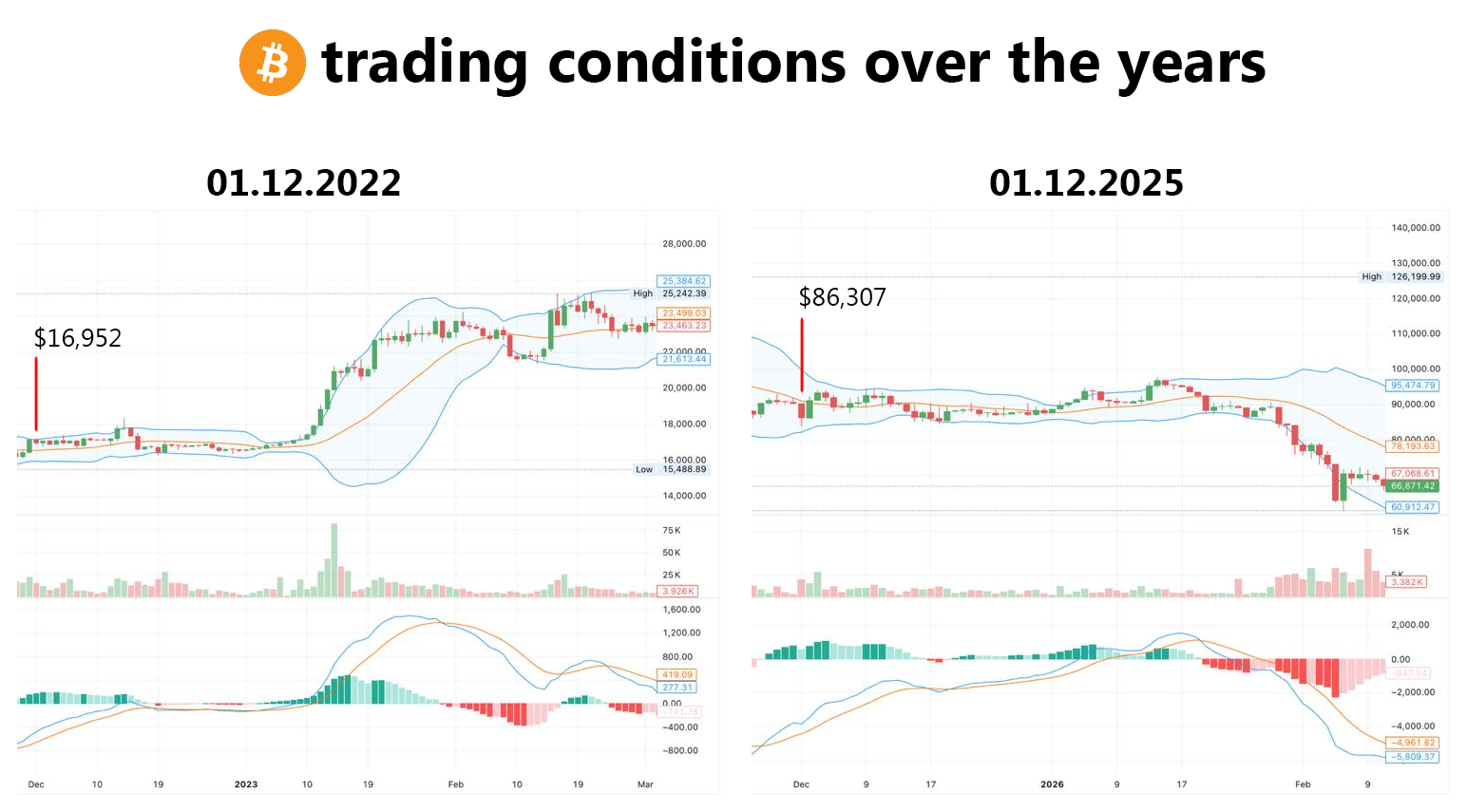
Note: All charts are my own backtests using daily close data from TradingView based on one exchange’s price feed (in my case, WhiteBIT); exact numbers may vary slightly with other data sources.
Where manual discipline falls apart
On paper, “$10 a day” sounds trivial. In real life, it rarely looks like the clean backtest.
People forget a day, then skip “just this week, I’ll add more later.” They stop during a correction, then re-enter only after the price has already doubled. I’ve seen the same pattern in my own behavior: hesitation at the lows, overconfidence near the highs. The weak point usually is the human trying to execute it for three years straight without drifting or revenge-trading.
Auto-invest, my Discipline-as-a-Service
That’s why recurring buy tools exist. Most large exchanges now let you set up automatic purchases - Recurring Buys, Auto-Invest, and Scheduled DCA plans under different names. You pick an asset, a fixed amount, a schedule (daily, weekly, or monthly), and a source of funds. After that, the system just pulls the money and executes according to the rules you set.
Personally, I use these tools as rented discipline: I decide on the rules once, then get out of my own way.
Automation doesn’t guarantee profit or protect you from bad asset choices. What it does is remove two classic failure points: emotions of clicking “buy” and simple forgetfulness.
Looking beyond Bitcoin: ETH, SOL, XRP
The same $10-a-day logic behaves differently across assets, but the pattern rhymes.
- ETH – the market’s infrastructure.
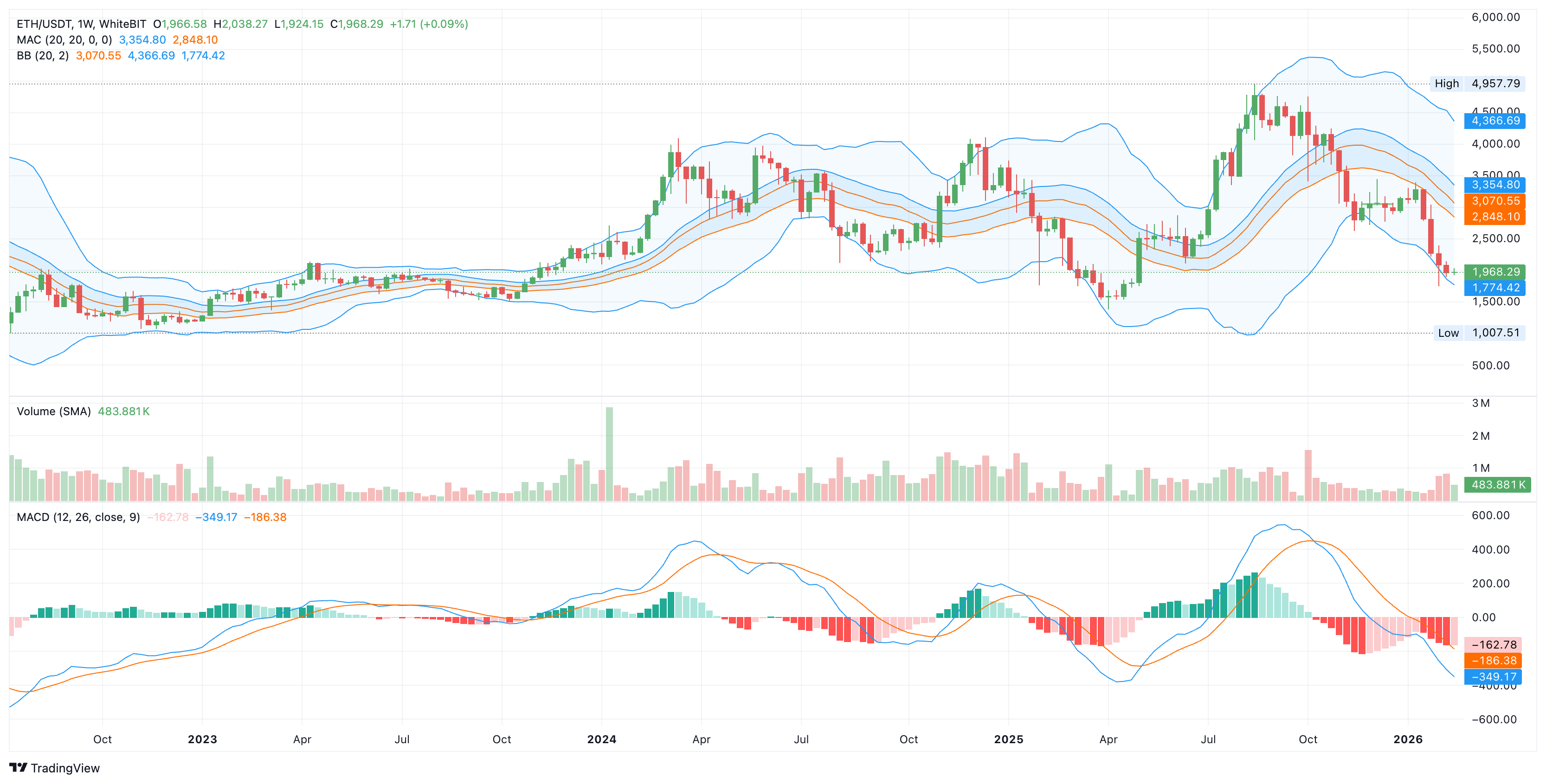
Over three years at $10 a day, an ETH plan could accumulate about $10,960 worth of buys into a portfolio of roughly $14,365. That’s around $3,405 in profit, or about +31.07%. Ethereum is less of a meme bet and more of an infrastructure layer where DeFi, NFTs and smart contracts live.
- SOL – volatility that’s easier to stomach through DCA.
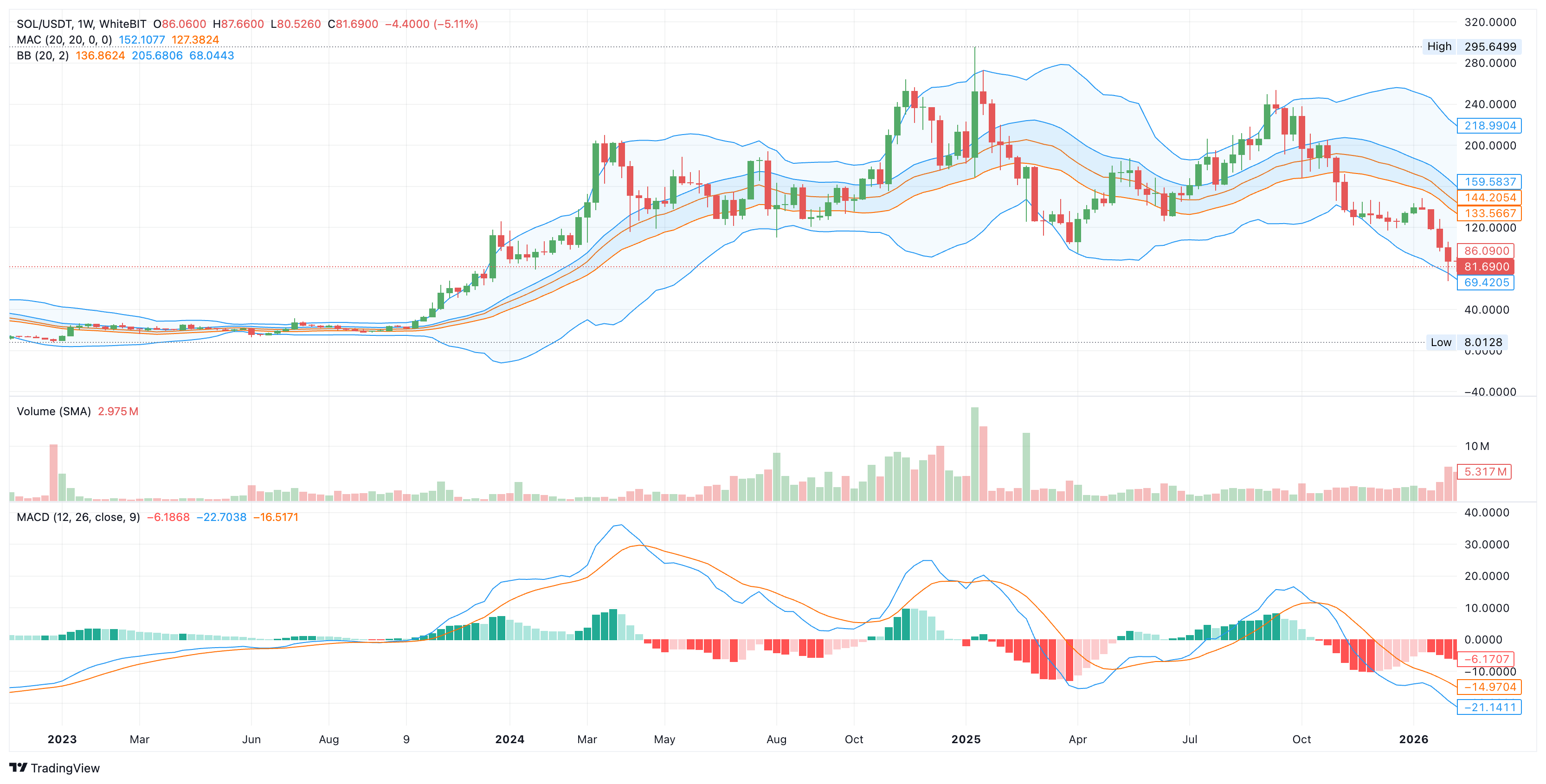
The same $10,960 of regular purchases in SOL could have turned into roughly $31,616. That’s about $20,656 in profit, or +188.47%. Solana moves violently in both directions; manually, it’s easy to chase green candles and rage-quit at the bottom. A fixed-amount plan forces you to keep buying through that drama.
- XRP – living through lawsuits and headlines.
Over that same period, a DCA plan in XRP at $10 a day would have produced a portfolio of about $34,870 – roughly $23,910 in profit and +218.16%. This is an asset that has spent years in legal limbo and regulatory news cycles, yet a recurring buy scheme just keeps adding to the position while the story changes around it.
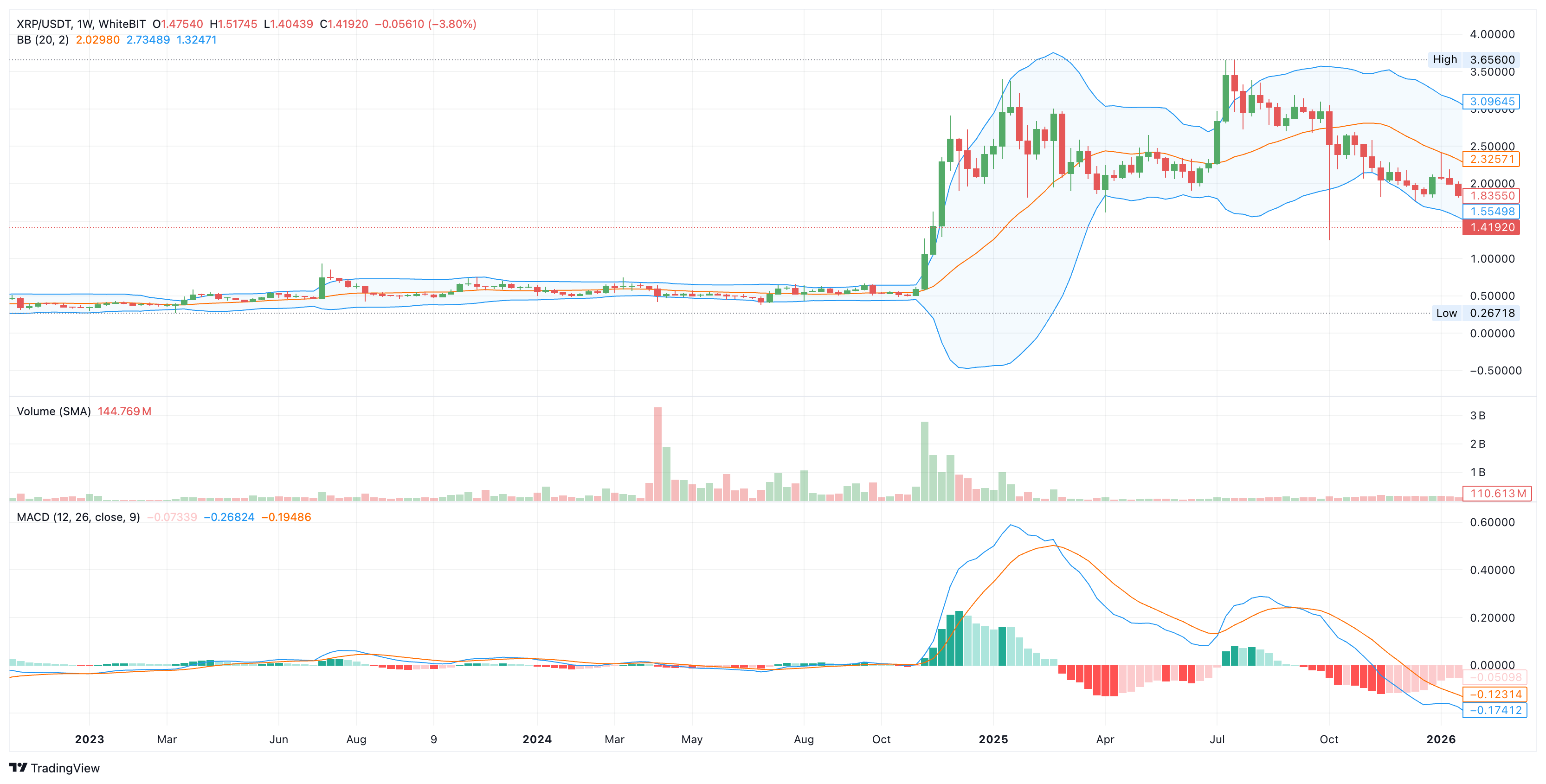
All these examples share the same time window and the same $10-a-day framework. The outcomes differ, but the mechanism is identical: remove the daily “do I buy or not?” question and let the math work with whatever mix of assets you choose.
Finale: Don’t outsource your brain to the feed
The market doesn’t owe anyone a repeat of the last three years, and DCA is not a cheat code. A bad asset can stay bad for a long time, and automation won’t fix that. What DCA-style plans can do is reduce the impact of one lucky or disastrous entry point.
Around the numbers, there will always be noise: group chats, anonymous “alpha,” people posting their perfect trades with the losing ones quietly deleted. If the goal is to build a position over the years, then obsessing over every short-term swing is just self-sabotage. A simple rule like “$10 a day into assets I’ve actually researched, for at least three years” is boring, but it’s a hard benchmark for impulsive trading and influencer-driven strategies to beat.
[story continues]
tags