Extended timelines, larger rounds, technology validation, longer sales cycles, and customer-acquisition barriers are the boundaries of the deep-tech startup founder universe. While working on important societal technologies, it’s much harder to convince partners, investors, and customers to support something that has never existed before. Groundbreaking technologies developed in the edgy and harsh environment of the Large Hadron Collider come to the rescue. Born on the outskirts of the posh Swiss city of Geneva, these technologies are available for commercial use: aerospace, environmental, quantum, radiation, and AI/ML. Deeptech Startups benefit most.
My name is Iryna Manukovska. I work with deeptech startups on go-to-market strategies and investment relations, helping build products that are understandable to the market. In this piece, I uncover how CERN's cutting-edge technologies across quantum computing, AI/ML, radiation hardening, energy measurement, and time synchronization can accelerate your deep tech startup while providing warm access to the Swiss venture ecosystem and the CERN alumni talent pool.
Why CERN
CERN (the European Laboratory for Particle Physics) was founded in 1954 as a collective effort of 12 member states, which grew to 35 by 2026. Developed originally as an international lab for high-energy physics experiments, a homeland to 3 Nobel prizes (state which one), visited by more than 390,000 people annually. CERN is not only about pure science, but transferring the unique byproduct technologies and know-how developed for particle physics to solve real-world problems, most of which have not even happened yet, moving the needle of applied science one step further.
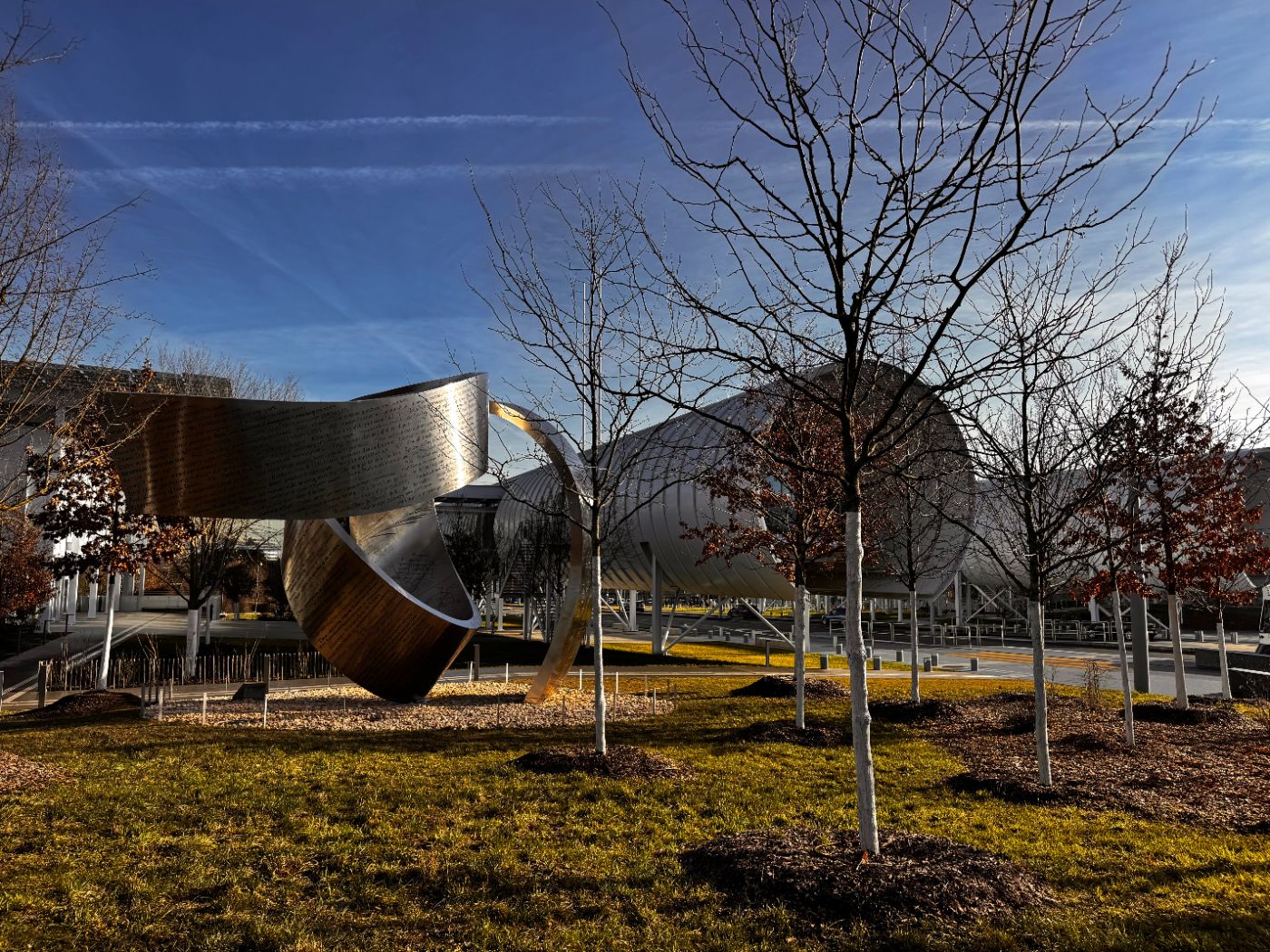
CERN is home to the world's largest and most powerful particle accelerator in the world, pushing the boundaries of technology and our understanding of the universe further than ever before. The European Laboratory for Particle Physics researches fundamental questions of the universe and the basic building blocks of matter. Operating at -271°C - colder than outer space - CERN's accelerator propels particles to 99.9999% the speed of light, enabling up to 1 billion particle collisions per second. These events are monitored by massive detectors with over 100 million sensors, producing petabytes of raw data daily, which are analyzed on the world's largest computing grid across 170 sites worldwide.
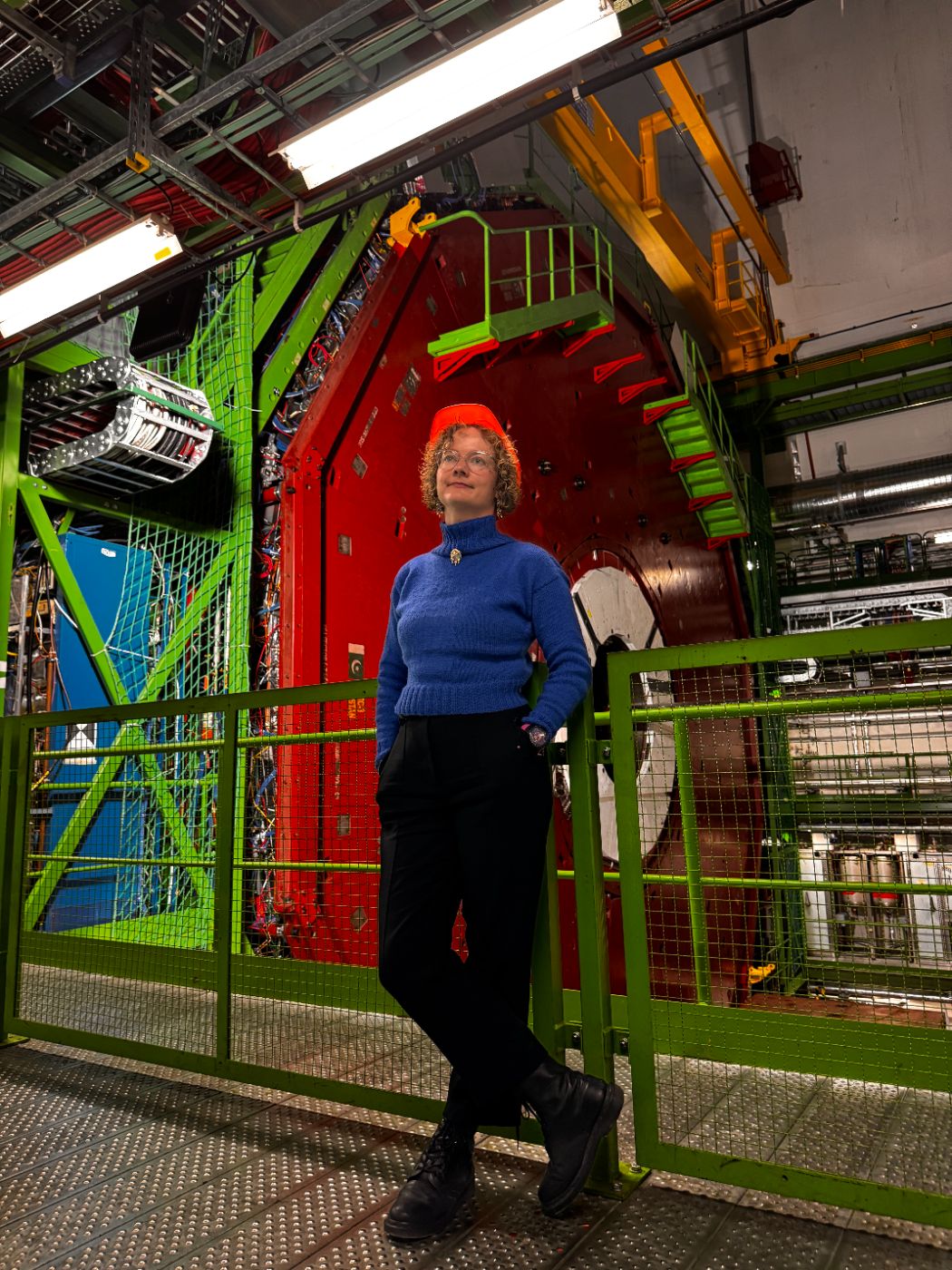
For 72 years, CERN has been running a unique series of experiments on custom-made equipment with custom-made computing to process and detect 1 billion collision events per second, while Amazon processes at peak 500 orders per second. The biggest bank in the world, the Commercial Bank of China, holds 11.2 million concurrent transactions per second.
CERN people “know that if we develop something, it's because it doesn't exist,” shares Dr. Ana Rita Pinho, a Strategy Support Team CERN Aerospace and Environmental Applications Coordinator at Knowledge Transfer Group. Technologies that handle extreme radiation and enable extremely accurate time synchronization are needed far beyond CERN's premises on the French-Swiss border.
From extreme needs to solving the future problems that don't exist yet
We've all heard of the World Wide Web, touchscreens, and PET CT scans, invented as byproducts of CERN technologies. What about nuclear waste recycling, radiation management, vacuum-insulation systems enabling future superconducting cables, propulsion systems for environmentally clean hydrogen aircraft, and getting rid of annoying avocado and banana stickers?
Nuclear waste recycling management
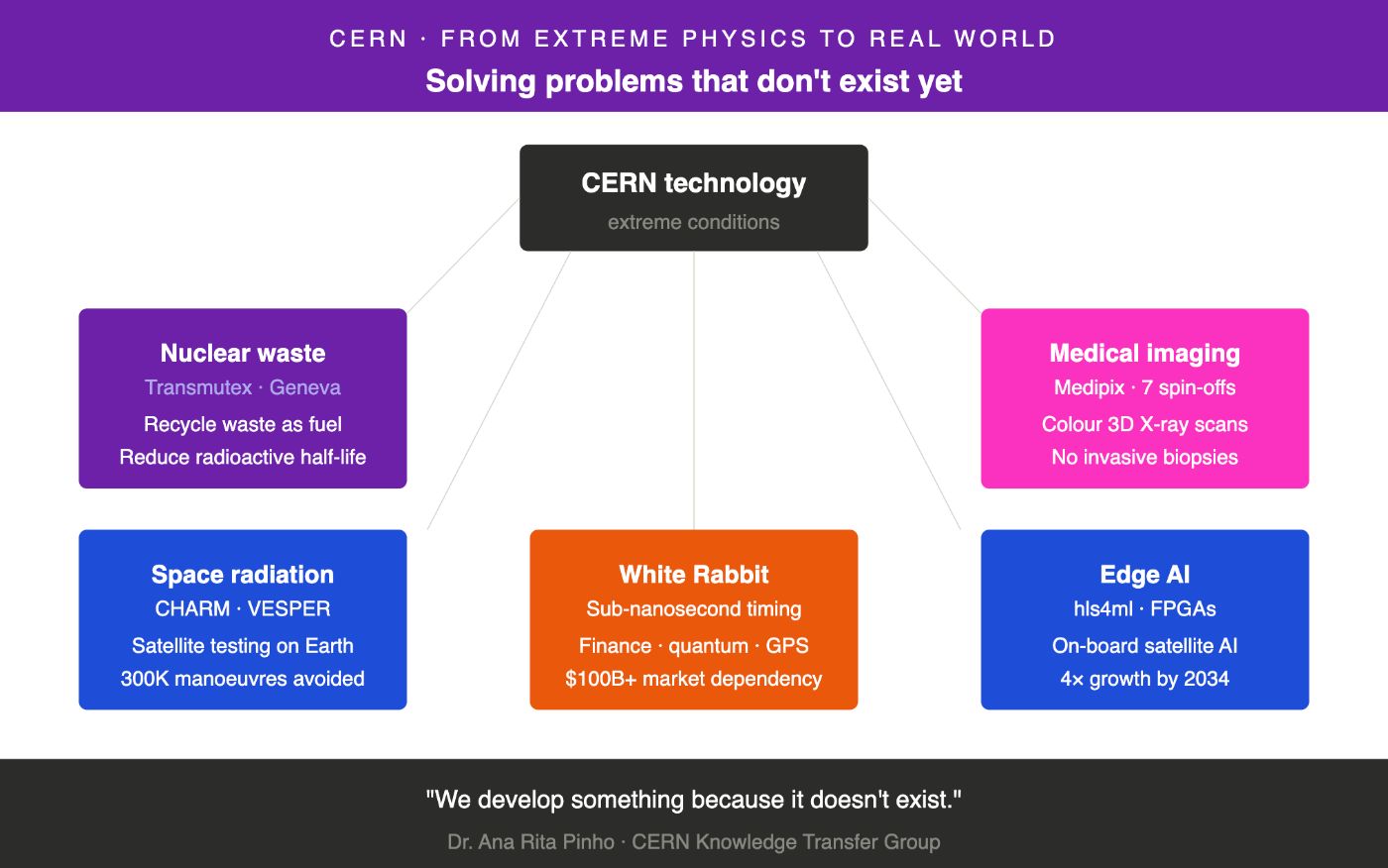
Most first-time renters in Switzerland may be annoyed by the variety of garbage streams and the overall garbage labeling system, so cities like Zurich even run a “Daily Life in Zurich” course for newcomers and guided “waste tours” that explain how the system works in practice. Let’s imagine the scale of the problem when we move from composting and plastic to nuclear waste. Geneva-based Transmutex, founded by Franklin Servan-Schreiber, CERN alumnus Federico Carminati, and physicist Jean‑Pierre Revol. Nuclear energy is prized as one of the cleanest electricity sources available because it generates electricity reliably without releasing greenhouse gases, and it produces remarkably little waste per unit of energy compared to fossil fuels—though the waste it does produce is highly radioactive and requires careful long-term management.
“The idea is that they would get nuclear waste and be able to reuse it as fuel. On the one hand, it helps reduce the lifespan of that waste, which is good for the environment. On the other hand, you're able to get more energy out of it.” Dr. Amanda Diez, Knowledge Transfer Officer.
With great expertise in handling particles and radiation, CERN technology enables particle accelerators to alter the composition of nuclear waste, reducing its radioactive half-life while generating energy.
Space radiation resilience
Elon Musk has been trying hard for the last 10 years to get people and cargo to Mars. CERN scientists may increase the reliability of space missions that can go 3 times farther, making the dream of reaching the largest planet in the solar system safe and sound, Jupiter (its average distance to Jupiter is 778 million km, and to Mars is 225 million km), a reality. Apart from its distance, Jupiter is known for its very strong magnetic field, which traps electrons from the sun and accelerates them to very high energies, threatening the electronic systems of space probes sent to explore its fascinating Moons. Luckily, you can test those levels of energy and radiation here on Earth, in facilities like VESPER/CLEAR at CERN. For other mission categories, such as new-space satellites with higher risk tolerance and stringent budget constraints, you can perform system-level testing at the CHARM facility by placing an entire functioning satellite, such as a CubeSat, inside the radiation chamber. Which is great when it comes to the "secondary effects" detection, where radiation hits a shield and scatters into a "shower" of particles that damages internal parts, a phenomenon you cannot detect when testing components in isolation.
"System-level testing is an interesting approach because it's a faster, cheaper, and more complete way to test equipment against space radiation. It is well-suited for new-space missions, which are often relatively low-cost and risk-tolerant. With respect to traditional tests at the component level, it also covers system effects, which are usually neglected and can be critical," explains Enrico Chesta, CERN's Aerospace and Environmental Applications Coordinator, Knowledge Transfer Group.
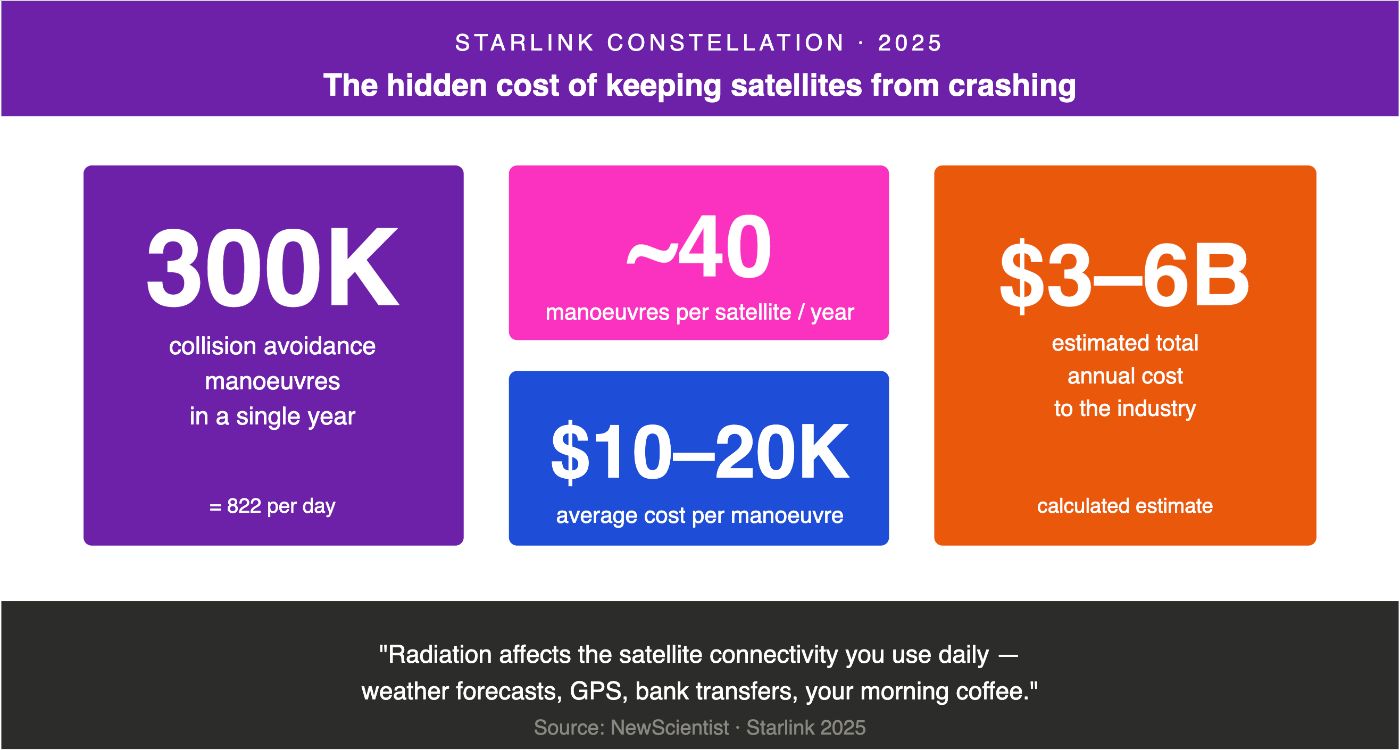
While it may not be that obvious for non-physicists, CERN's particle accelerator environment is quite similar to the radiation conditions in low Earth orbit. Radiation poses a critical threat to satellite constellations by threatening the reliability of individual units, which in turn endangers the sustainability of entire orbits. While it may sound too distant from real life, radiation affects the satellite connectivity that you use daily while getting the latest weather forecast, driving a car with GPS, watching TV, sending a bank transfer abroad, or simply using a power grid to charge your iPhone or just to make a morning cup of coffee. Space solar radiation can disrupt satellite operations, causing shutdowns, disruptions, and collisions, even in low orbit outside the critical Van Allen belt region. In 2025, there were 300,000 collision avoidance maneuvers, totaling nearly 40 per satellite per year across the constellation, at an average cost of $10-20K. " The radiation environment we have in our accelerators is comparable to the one that satellites will meet in Low Earth Orbit. This creates many natural synergies, such as the need to develop and qualify reliable radiation-tolerant equipment." Enrico Chesta, Knowledge Transfer Group.
Perfectly in sync: the CERN-born White Rabbit technology to enable the scale-up of quantum computers
Imagine losing £3.0 million (approx. $4M) because of your clock synchronization issue? One of the greatest travelers of all time, who had never existed, British gentleman, Phileas Fogg, almost lost his bet and half of his fortune because of the improper synchronization of his pocket watch while traveling east, arriving a day prior to the deadline of his famous and well-documented 80-day journey around the world. In 2026, not days, but sub-second matters. With the CERN-born White Rabbit technology, distributed systems face a similar challenge with much higher stakes: the clocks are all ticking, but do they agree on what time it actually is?
The technology connects clocks that are far apart (up to hundreds of kilometers) via fiber-optic networks, so they tick at the same pace and have exactly the same time. Exactly? Not quite, but undistinguishable down to a billionth of a second. Sub-nanosecond accuracy and picosecond precision in synchronization may sound impractical, but they enable ultra-accurate timing management for trading and financial transactions, quantum networks, and distributed telescopes/detectors. This level of synchronization also enables a terrestrial positioning system independent of satellites, improving our resiliency against satellite outages and enhancing positioning in urban environments. Terrestrial time transfer is also important for synchronizing critical infrastructure, such as power grids and telecom networks, which currently rely mainly on satellite clocks. Companies like Jump Trading, Nu Quantum, and Deutsche Börse are already benefiting from the time precision of the future and are also members of the White Rabbit Collaboration. In the real world, a $100+ billion global market depends on GPS timing, including autonomous driving. Currently, the industry's overreliance on GPS timing has been recognized as a major vulnerability, making terrestrial synchronization technologies, like White Rabbit, a new gold for deep tech startups.
"Just to give an idea, that's the type of accuracy where the speed of light going through the fiber optic matters. So you need to account for the delays of the light traveling with the clock data information and correct for them in clever ways," shares an example, Amanda Díez Fernández, CERN Quantum Technology Initiative Coordinator, White Rabbit Collaboration Coordinator, and a Knowledge Transfer Officer at CERN.
The White Rabbit technology is a hardware-and-software combination used to create networks that synchronize devices with extreme precision. The first sub‑nanosecond, point‑to‑point White Rabbit synchronization link was demonstrated in October 2008. In 2024, the White Rabbit Collaboration was launched to bring the community together, map shared interests, and push the technology into new territories.
From the 100 Terabits per second to actionable results in real time with processing at the Edge
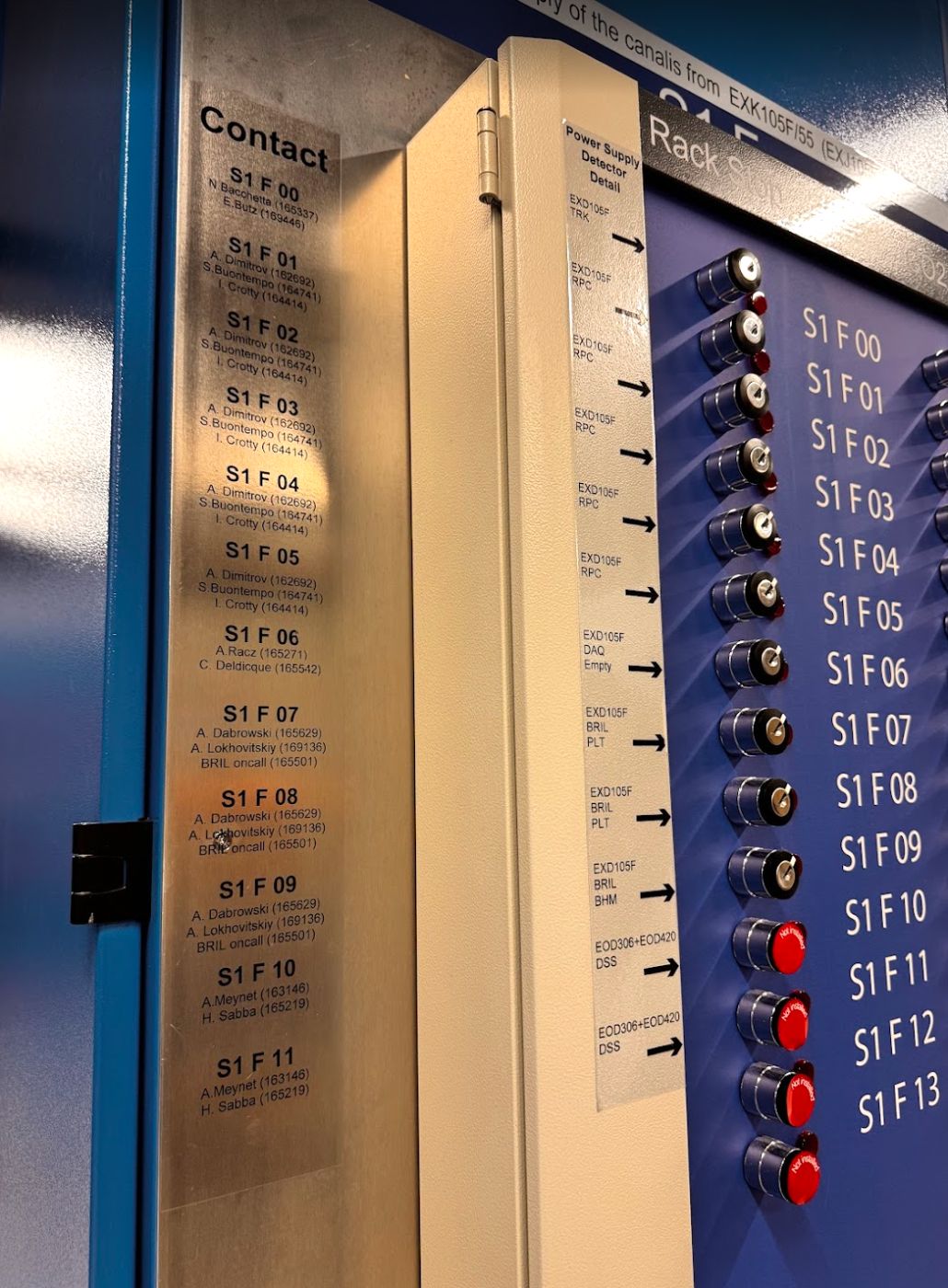
On your way to a magical place of CMS (Compact Muon Solenoid detector) where Large Hadron Collider collisions happen 87.9 m below the Earth, you will definitely pass a “data room” - an endless hall filled with routers and computers which sort Terabytes of collisions data to decide which ones have the highest value for 12000 physicist across the 170 organizations in 42 countries. Each stream has an owner team that constantly improves the algorithm behind it. Their names are memorized near the corresponding data cables. CERN’s "Trigger Systems" is an extremely fast AI algorithms running on FPGAs (Field-Programmable Gate Arrays) that decide in nanoseconds (50ns - 200ns) which events are "interesting physics" to be stored and which should be discarded.
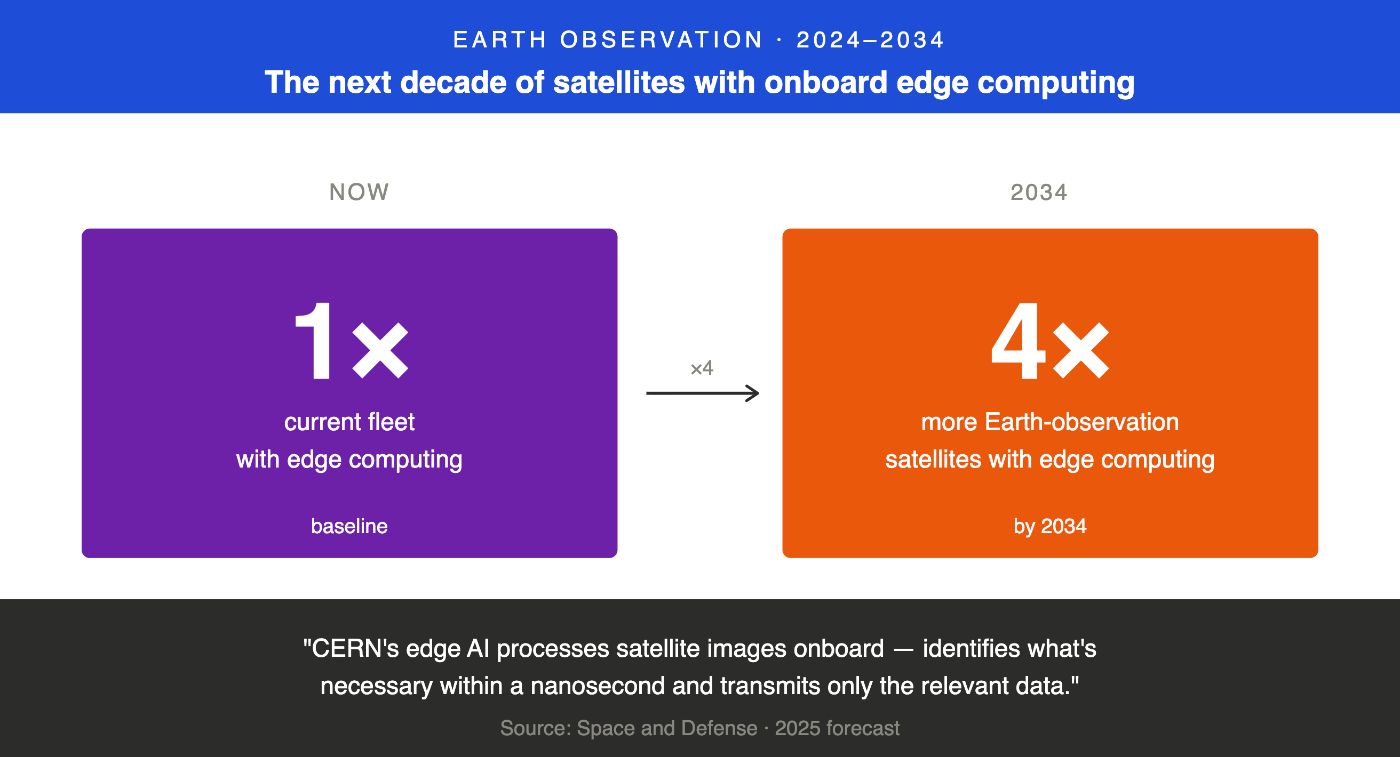
Pretty much the same need exists on satellites while they are processing massive images with limited downlink capacity and time delays. CERN’s technology allows the satellite to run Inference at the Edge. The AI processes the image on board the satellite, identifies what's necessary within a nanosecond, and transmits only the relevant insights and data. CERN’s Edge Processing is powered up with hls4ml- an open-source “translator”. It takes an AI brainy model trained on a computer and rewrites its instructions into the native language of custom hardware chips, making the AI dramatically faster and more energy-efficient for edge devices like nanosatellites or medical equipment. Meanwhile, we expect a fourfold increase in Earth‑observation satellites with onboard edge‑computing systems up to 2034.
From Preventing Unnecessary Surgeries to Teaching Physics in Schools
In a cozy room inside the CERN’s Knowledge Transfer group’s meeting room, Dr. Ana Rita Pinho, a former biomedical engineer, serving as Business Development Manager for the Medipix Collaboration and Program Leader TIMEPIX@School Project at CERN, is desperately looking for a “dusty” space. tiny charged radioactive particles traveling from the Sun. The dust we need is alpha particles released by radioactive elements like uranium and thorium, which are naturally present in soil, rock, and the dust we breathe. In a classroom, the Medipix detector spots radiation before students even think to look for it: on a windowsill, concrete, and brick walls. "Old watches can be radioactive," explains Dr. Ana Rita, "Different types of salts, bananas. There are so many things around us that are radioactive and not necessarily bad." What the students are seeing is radiation from ancient Earth, like trace amounts of uranium, thorium, and their decay products, baked into rocks and soil since the planet formed, now carried by the dust we breathe every day.
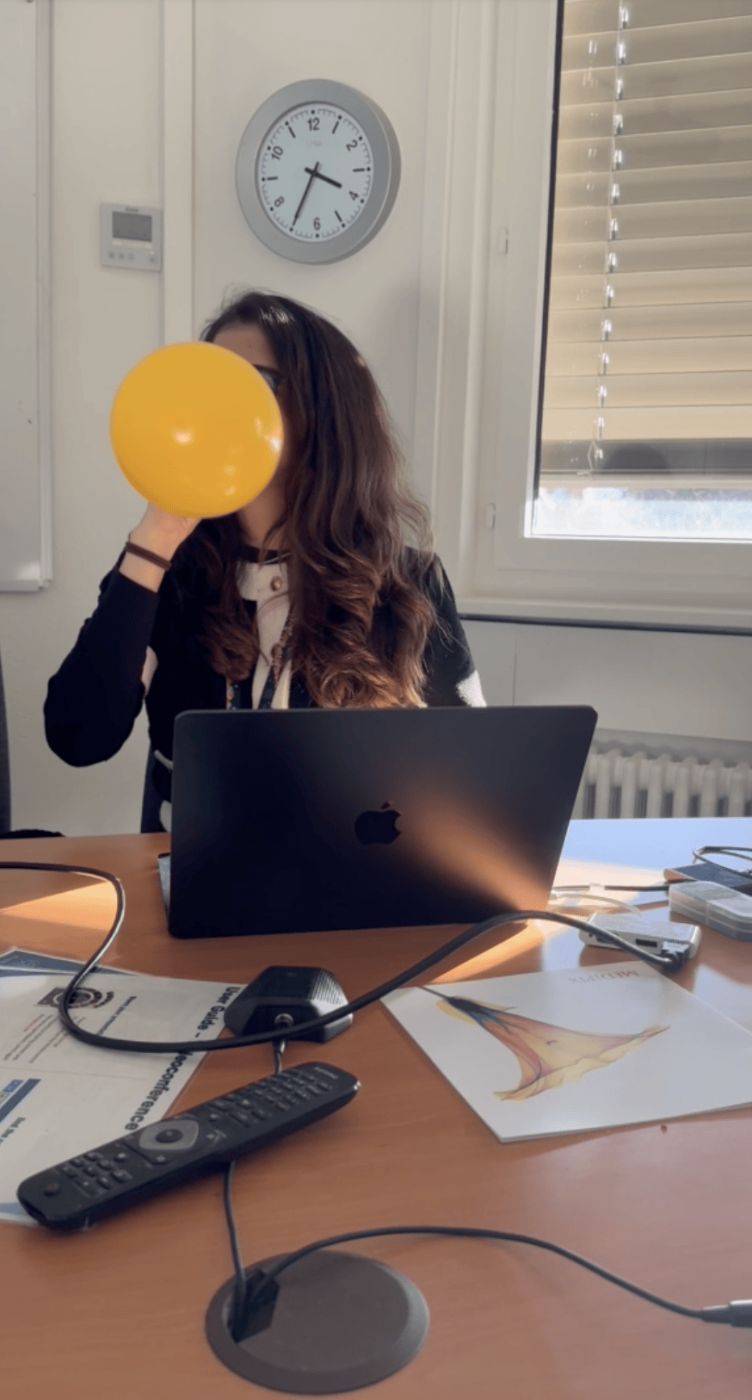
With the USB stick particle detector, Rita is able to demonstrate both cosmic rays passing through and alpha particles emitted by radioactive dust — collected beforehand by rubbing a rubber balloon, the kind you probably use at your kid's birthday party, against a surface to attract airborne particles. Originally designed for the Large Hadron Collider to track particles in high-rate environments, Timepix "hybrid pixel detectors" are being used to create a hands-on STEM education program for high schools, aiming to reach 120 schools in the next four years.
Beyond the classroom, Timepix helps NASA astronauts measure radiation in multiple missions, including the upcoming Artemis II mission on the International Space Station, and Medipix, its medical sibling, enables colourful, deep CT scans that reach tissues previously impossible to “see” without surgery.
Medipix chips are hybrid detectors consisting of a semiconductor sensor layer bump-bonded to a CMOS readout chip. Each pixel independently counts individual photons and measures their energy, producing noise-free, high-contrast images far superior to those from traditional charge-integrating detectors. The technology has evolved through four generations: Medipix1 (1997), Medipix2 (1999), Medipix3 (2006), and Medipix4/Timepix4 (2016), with each generation adding improved spatial resolution, energy discrimination, timing capability, and tileable architectures. The Timepix variants add time-of-arrival and time-over-threshold measurement modes, enabling particle tracking and spectroscopic applications.
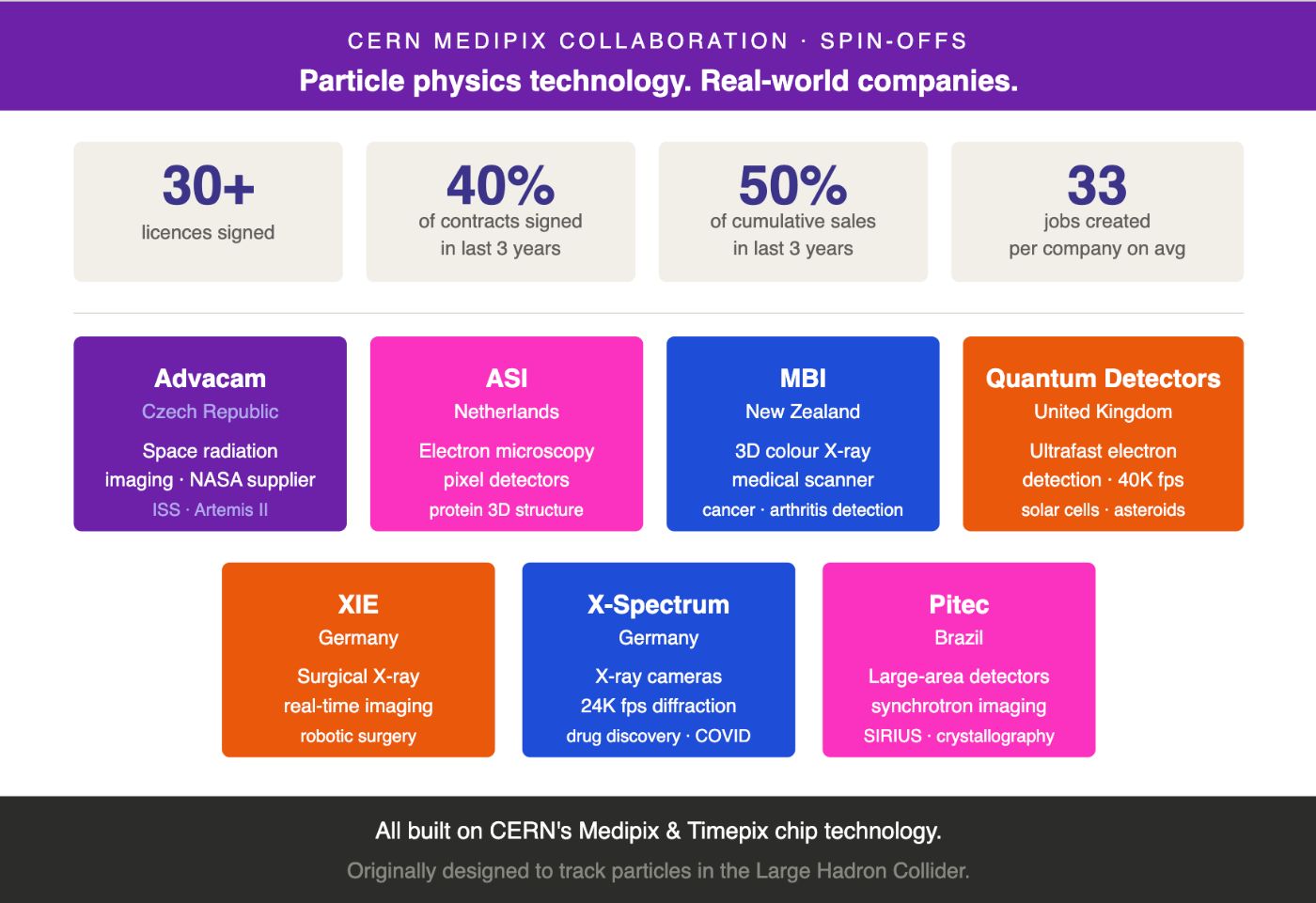
Medipix CERN Spin-offs
30+ licenses signed since launch
40% of contracts signed in the last 3 years
50% of cumulative sales generated in the last 3 years
33 jobs created on average per company
|
Company |
Country |
Description |
Real-World Problem Solved |
|---|---|---|---|
|
Czech Republic |
Spin-off of CTU Prague and CERN (2013). Builds compact radiation cameras and spectral X-ray imagers using Medipix2/3 and Timepix2/3 chips. Official NASA supplier. |
Protecting astronauts from space radiation — sensors on the ISS and Artemis II lunar mission monitor radiation in real time, enabling crew safety decisions. Also detects invisible cracks in aerospace parts via non-destructive testing. In 2020, InsightArt, with the help of the Advacam technology, proved the authenticity of the Raphael painting “The Madonna and Child.” |
|
|
Netherlands |
Spin-off of Nikhef and AMOLF (2011). Produces CheeTah and Phoebe hybrid pixel detectors for electron microscopy using Medipix3 and Timepix3. |
Enabling quantum image capturing and single-electron-sensitive imaging in transmission electron microscopes, allowing researchers to determine the 3D structure of proteins, nanomaterials, and beam-sensitive samples without destroying them are already being achieved using Timepix4, advancing quantum |
|
|
New Zealand |
Founded in 2007 by Phil and Anthony Butler. Commercializes the world's first 3D colour X-ray scanner based on Medipix3, a University of Canterbury spin-off |
Eliminating diagnostic blind spots in medical imaging — colour spectral CT distinguishes bone, fat, water, and disease markers in a single scan, improving early detection of cancer, arthritis, and vascular disease without invasive biopsies. |
|
|
United Kingdom |
Born in 2007, a technology spin-out of the Science & Technology Facilities Council (STFC), Diamond Light Source (DLS), and the UK’s synchrotron radiation facility spin-off. Builds MerlinEM and Merlin T4 fast electron detectors using Medipix3 and Timepix4. |
Unlocking ultrafast materials science — delivers noise-free, 40,000 fps electron detection for 4D-STEM, enabling researchers to map strain in next-gen solar cells, analyze extraterrestrial samples (Ryugu asteroid), and study beam-sensitive perovskites. |
|
|
Germany |
Albert-Ludwigs-Universität Freiburg spin-off, recently acquired by Advisiones. Produces semiconductor detector systems using Medipix2 and Timepix3. |
Giving surgeons real-time X-ray vision — developing miniaturized, high-resolution detectors for robotic-assisted surgery (Eurostars M3DiCam project), allowing precise intraoperative imaging with lower radiation dose. |
|
|
Germany |
DESY spin-off (2014) in Hamburg. Builds the LAMBDA, AMBER, and SPARTA camera systems based on Medipix3 for synchrotron and electron microscopy. |
Accelerating drug discovery and materials research — LAMBDA cameras capture X-ray diffraction data at 24,000 fps, enabling scientists at synchrotrons to screen thousands of molecular structures rapidly (used during COVID-19 drug research at DESY). |
|
|
Brazil |
Develops PIMEGA large-area detector systems using Medipix3RX, a LNLS spin-off. |
Powering Brazil's flagship science infrastructure — PIMEGA detectors (up to 9.4 megapixels, 2,000 fps) are the imaging backbone of SIRIUS, one of the world's brightest synchrotrons, enabling cutting-edge crystallography, tomography, and coherent imaging. |
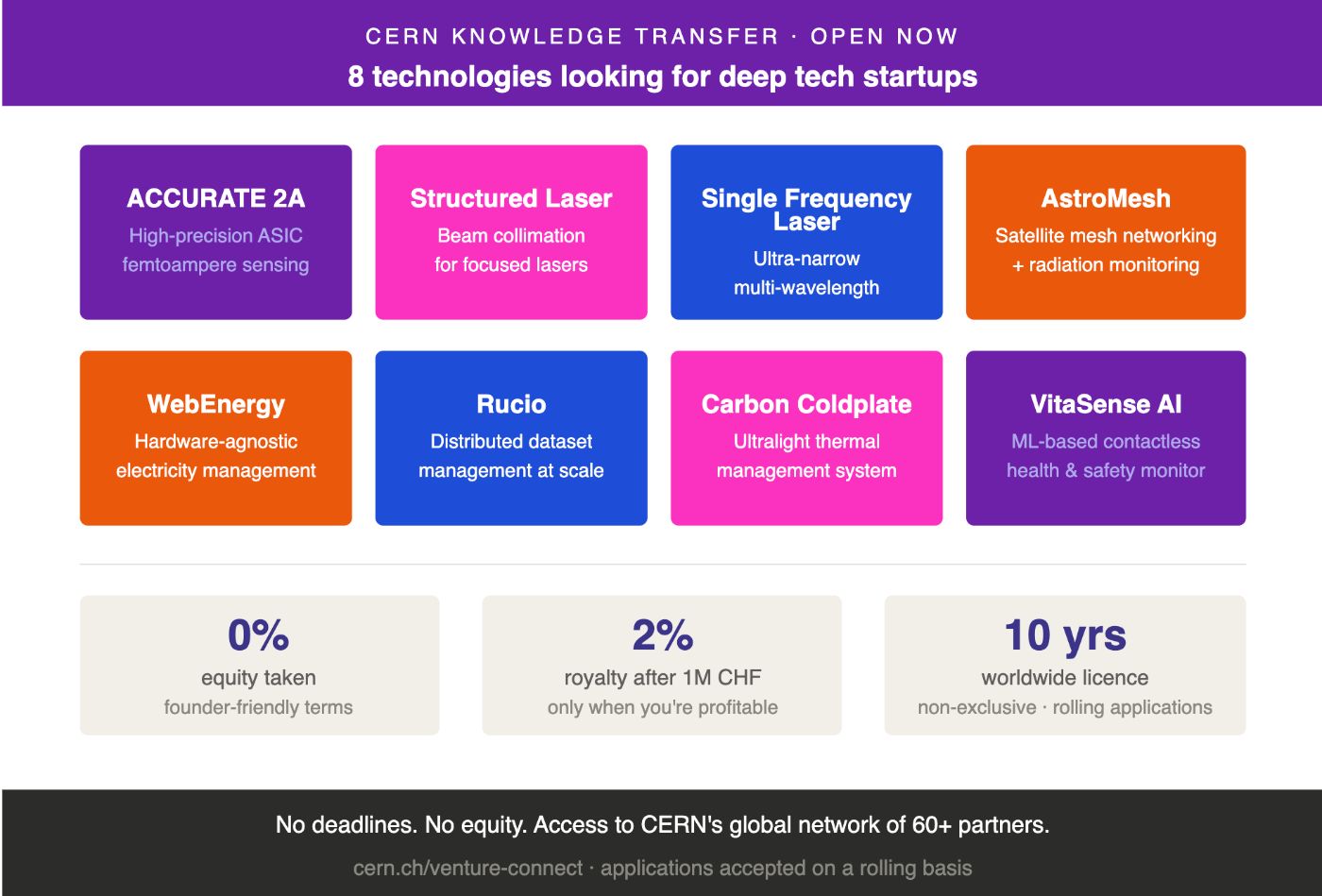
Beyond the examples above, 8 technologies are looking for deep-tech startups:
- ACCURATE 2A High-Precision ASIC measuring current at femtoampere levels
- Structured Laser Beam Collimation System for focused laser beams
- Single Frequency Laser Ultra-narrow, multi-wavelength laser system
- AstroMesh Satellite mesh networking with radiation monitoring
- WebEnergy Hardware agnostic electricity management system
- Rucio Management of large distributed datasets
- Ultralight Carbon Coldplate Lightweight thermal management
- VitaSense AI ML-based contactless health & safety monitoring system
What Pain Points CERN Technologies Solve Across Deep Tech, And Why Your Startup Should Care?
“We are very cold, we are very fast, we have a lot of data, so we have a lot of technology that a lot of organizations or companies... don't know about. It's a very special place,” illustrates Linn Kretzschmar, CERN Venture Connect program lead.
Future precision.
If you're building another fintech, you feel like you can scroll down, but before that, just imagine what picosecond, extreme-precision timing technology can do for you. With finely timestamped data, the value of the trading data increases significantly. Liquid Markets Solutions, a WR Collaboration founding member and Swiss fintech startup, has incorporated the open-source White Rabbit technology into their ÜberNIC interface cards — delivering sub-100 picosecond time synchronization for finance sector clients who need to prove, down to the nanosecond, that a trade happened when they say it did.
Vacuum as a service.
To accelerate particles to near light speed, the Large Hadron Collider (LHC) requires a vacuum that is cleaner than interplanetary space. This pushes engineers to the extreme frontier, ensuring materials do not release unnecessary molecules (outgas) and can withstand pressure differences while keeping ultra-low temperatures (cryogenics). There are at least two emerging industries that need to overcome similar problems: space (the harsh environment), the liquid hydrogen economy, and quantum computing (many quantum computers operate at ultrahigh vacuum and cryogenic temperatures). Through the Quantum Technology Initiative, CERN is supporting the French quantum computing startup PASQAL in optimizing the vacuum systems of its neutral-atom quantum computers. Think of it as musicians trying to perform a really complex piece like Paganini's or more contemporary Van Halen's Eruption. The better the silence around a musician, the longer and more complex the piece they can perform. CERN is helping PASQAL build that world of silence, at the atomic scale, so that qubits can hold their quantum state long enough to actually compute something useful.
Data Privacy in Healthcare AI.
Building a data-safe, resilient healthcare software and hardware mindset, CERN’s Federated Learning is an architecture in which the algorithm travels to the data (the hospital, wearable), learns locally, and returns only the "lessons learned” instead of sensitive personal records, thereby not making patient data vulnerable. The CAFEIN platform allows hospitals to collaborate on AI training without ever exposing confidential patient records.
Lasers of the future.
InPhocal already uses CERN’s structured laser beam technology to mark curved surfaces (like avocados or soda cans) without ink, increasing production speed, eliminating waste, and helping everyone to get rid of annoying and environmentally unfriendly fruit stickers and pain-in-the-neck bottle labels (hard to recycle, easy to loosen on the way to the recycling facility). Nobula uses it to smooth 3D-printed glass, removing printing artifacts. Imagine what can be done for the beauty industry, surgery, and far beyond.
How to start with CERN?
Established enterprises usually reach out to Knowledge Transfer Groups as well as those companies looking for specific innovations across Aerospace, Environment, Healthcare, Quantum, and Digital. CERN Venture Connect is a dedicated fast-track for startups.
CERN Venture Connect (CVC): Early-Stage Startups Track
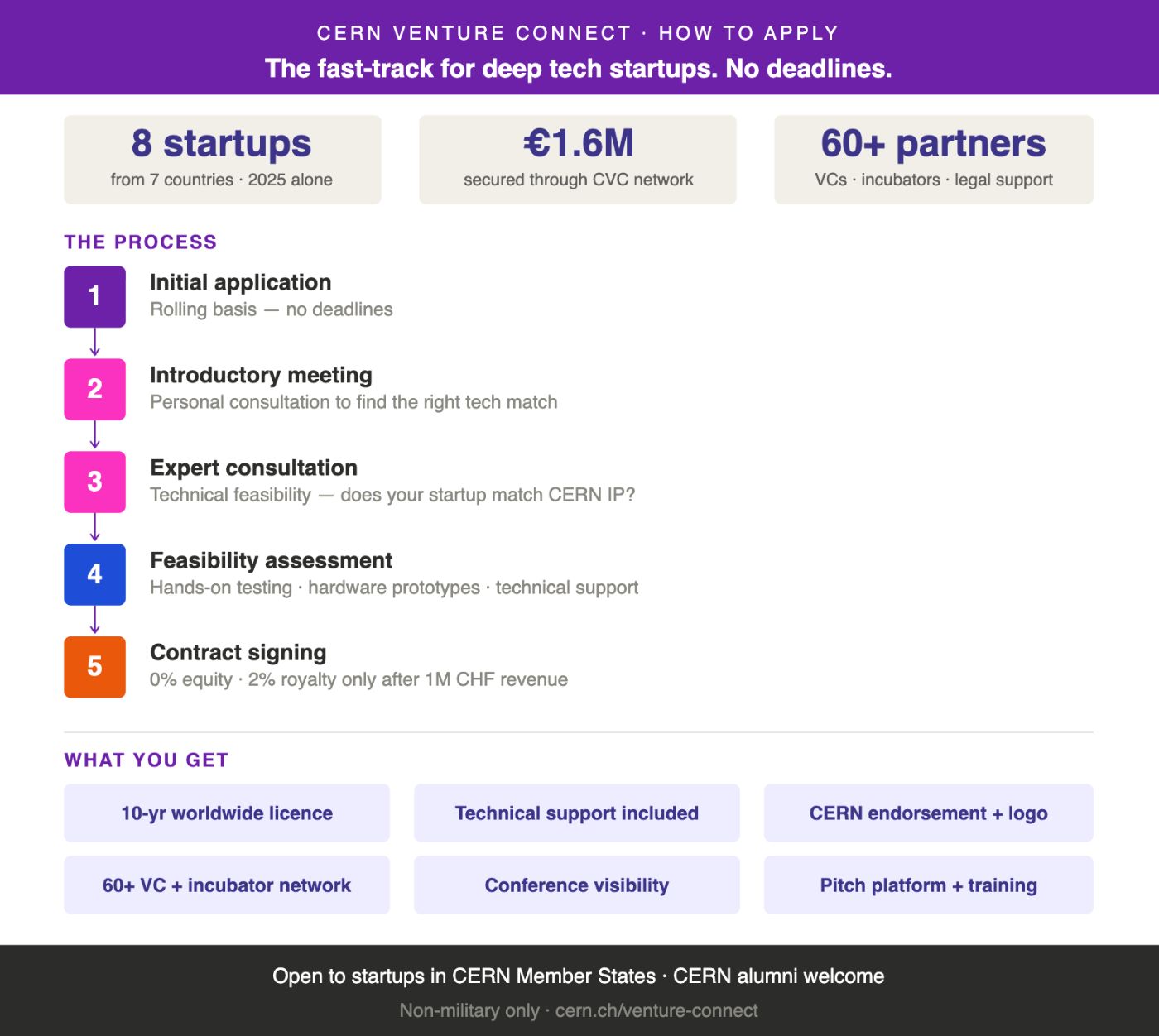
Launched two years ago, CVC had only 8 new startups from 7 countries in 2025 and helped secure €1.6 million in funding through the CVC network. CVC works both ways - helping 3rd-party founders access the latest technologies and helping CERN alumni and scientists build the business acumen to launch deep-tech startups themselves.
“We see the technologies that we have here as enablers, as facilitators. Our technology can be plugged in and help to increase the performance or the efficiency,” notes Linn on why supporting startups utilizing CERN technologies matters.
Who Can Apply
- Deeptech Startups located or operating in CERN Member States and Associate Member States
- CERN alumni building startups (even without using CERN technology directly)
- Teams that can demonstrate passion and an ambitious vision
- Startups operating in non-military and non-defense-related industries
How to start with Cern Venture Connect?
- Initial Application.
- Introductory Meeting. Personal consultation to find the right match
- Expert Consultation. Expert technical feasibility to assess if the application matches CERN's technologies.
- Feasibility Assessment. Hands-on testing period, access to hardware prototypes for testing and integration. Technical support for implementation questions
- Contract Signing. Standard, founder-friendly terms with 0% equity and 2% royalty when the startup’s revenue exceeds the 1 million CHF milestone.
- Applications accepted on a rolling basis - no deadlines
Startups get:
- Equity-free, non-exclusive worldwide license for 10 years
- 2% royalty only after exceeding 1M CHF in sales
- Technical support and consultancy included
- Access to CERN's global network of 60+ partners (VCs, incubators, legal support)
- Official CERN endorsement and logo usage
- Conference tickets and visibility support
- CERN scientists get introductions, a pitch platform, and entrepreneurship training (to be launched this year).
You can’t vibe code fusion reactor
While we continue to advance software and human intelligence, there is a whole physical world waiting to “address the urgency of the climate crisis, energy security, and economic resilience, and the need for European sovereignty in defense and technology,” as the McKinsey Deep Tech Engine report puts it.
Deep tech could collectively create $1 trillion in enterprise value and up to one million new jobs across Europe by 2030, McKinsey (Europe deep tech engine, 2025). Deeptech's share of global VC has doubled from ~10% a decade ago to 20-30% today, with Europe investing only 15B euros in 2024. And continues its growth from last year, rising to $20.3bn in 2025 and making up an all-time high of 32% of all VC investment (Dealroom, EU deep tech report 2026), more than double the 15% of 2015.
Dech tech funding has proven its resilience, down only 4% from the 2021 peak, compared to Regular Tech, which remains 54% down from 2021.
The main problem - deep tech is slow, you can’t vibe code a fusion reactor or nuclear waste management system, or a quantum computer. The only way to speed up is to jump into a partnership with someone who has complementary technologies before the competition does.
By collaborating with the CERN Knowledge Transfer group and the CERN Venture Connect Program, you get access to one of the best STEM talent pools in the globe, capital, and know-how to speed up your deep tech time to market
[story continues]
tags