


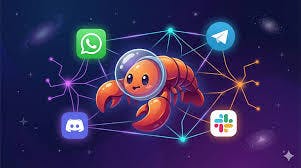
Artificial intelligence is rapidly evolving from a simple tool into an autonomous digital workforce. New agExploreent-based systems — often described as “Open-Claude”-style platforms — are designed to create AI agents that can independently perform complex tasks, manage workflows, and automate everyday activities.
Early users have already developed working prototypes across multiple industries, demonstrating how these systems could transform communication, productivity, business operations, and daily life. The technology is so significant that its development reflects a broader industry shift led by organizations such as OpenAI and leaders like Sam Altman, who are accelerating the development of agent-driven AI models within platforms such as ChatGPT and Google Gemini.
This article explores the major use cases, architecture, and implications of AI agent systems for a global audience.
What Are AI Agents?
AI agents are autonomous software systems that perform tasks on behalf of users. Unlike traditional automation tools, they can:
- receive instructions through triggers (such as messages or events)
- process information using large language models
- take independent action across multiple platforms
- continuously operate without human supervision
These agents can run on remote servers, meaning they continue working even when users are offline or asleep.
How AI Agents Work
Most agent systems follow three core components:
1. Trigger – A command or event initiates the task (for example, a message via WhatsApp, Slack, or email).
2. Intelligence (“Brain”) – The system uses an AI model such as ChatGPT or Gemini to analyze the request and determine actions.
3. Action – The agent performs tasks such as sending messages, generating reports, controlling devices, or conducting research.
This architecture allows AI to function as an always-active digital assistant rather than a passive tool.
Key AI Agent Use Cases
1. Communication and Social Media Management
AI agents can manage online presence and digital communication with minimal human intervention.
- Smart replies to social media comments and messages
- Automated content scheduling across multiple platforms
- Group conversation summaries
- Content curation and performance analysis
- Personal branding recommendations
- Event coordination and community management
- Network relationship management
For creators and businesses, this reduces the need for large communication teams.
2. Productivity and Knowledge Management
One of the most powerful applications lies in workplace efficiency.
- Task automation and workflow execution
- Organizational knowledge synchronization
- Research assistance and data analysis
- Automated code generation and review
- Document creation
- Workflow optimization and cost reduction
- Project tracking and reporting
Large organizations can maintain shared knowledge systems that update automatically across departments.
3. Creative and Lifestyle Applications
AI agents are increasingly entering everyday life.
- Media and content generation
- Personal shopping assistance
- Travel planning and booking
- Health monitoring through connected apps
- Smart home control via messaging
- Personal knowledge bases for automated responses
Users can manage household devices, health data, and daily routines through simple commands.
4. Autonomous Media and Content Production
AI agents can operate as full content production machines.
- Competitor monitoring and trend detection
- Topic research and newsletter generation
- Automated video creation and editing
- Short-form clip extraction
- Caption generation
- Visual asset and infographic creation
- Motion graphics production
This could significantly reshape the digital marketing and media industries.
5. Wearables and Vision-Based Intelligence
With the rise of smart glasses and wearable devices, AI agents can interact directly with the physical world.
- Automatic expense tracking from photographed receipts
- Event detection and calendar scheduling
- Meeting recording and minute generation
- Real-time data capture and analysis
Such systems bridge physical and digital environments.
6. Social Monitoring and Relationship Management
AI agents can track digital reputation and engagement.
- Monitoring online mentions
- Automated responses in a user’s communication style
- Saved content review and analysis
- Relationship suggestions and communication guidance
- Online community research
These features are particularly valuable for public figures and brands.
7. Autonomous Coding and Software Development
Developers can deploy AI agents as coding partners.
- Workflow monitoring and optimization
- Automated task lists and debugging suggestions
- Product requirement documentation
- Multi-file code generation
- Testing and version control integration
- Parallel development across applications
This dramatically accelerates software development cycles.
8. Advertising and Marketing Automation
AI agents can manage digital advertising operations.
- Daily campaign performance alerts
- Spend and conversion tracking
- Creative performance optimization
- Budget projections and automated campaign pausing
- Keyword optimization and blocking
- Competitor advertising analysis
- A/B testing and reporting
Marketing teams can run complex campaigns with minimal manual input.
9. Business Operations and Administration
AI agents can function as operational assistants.
- Project management and self-updating task boards
- Email categorization and response drafting
- Employee shift scheduling
- Inventory tracking
- Client follow-ups and invoice management
This enables smaller teams to operate at enterprise scale.
10. Finance and Purchasing
Financial decisions can also be automated.
- Product and vehicle purchase research
- Price comparison and negotiation
- Expense tracking and bill splitting
- Automated online shopping
- Cryptocurrency trading based on predefined rules
These systems act as financial assistants, managing spending and investment activity.
11. Travel and Logistics
AI agents simplify complex travel planning.
- Automatic flight check-in tracking
- Delay notifications
- Travel booking
- Navigation integration with mapping systems
- Real-time itinerary management
Users receive seamless travel support from planning to execution.
12. Health and Personal Assistance
Health monitoring is another major application area.
- Integration with fitness trackers
- Biomarker monitoring
- Voice-based brainstorming while driving
- Automatic meeting summaries from voice notes
- Personalized health insights
AI becomes a continuous wellbeing companion.
Benefits and Risks
AI agent systems offer extraordinary power:
- increased productivity
- reduced operational costs
- continuous automation
- enhanced decision-making
- scalable digital workforce
However, they also introduce risks:
- privacy concerns
- over-automation
- system dependency
- security vulnerabilities
- ethical considerations
As popular culture reminds us — even in stories like Spider-Man — great power comes with great responsibility.
The Future of Autonomous AI
AI agents represent a fundamental shift from software that assists humans to systems that act on their behalf. As organizations and individuals increasingly deploy autonomous agents, the boundary between human and machine work will continue to blur.
Experts recommend starting with small, controlled deployments and gradually expanding usage as governance and safety practices mature.
The technology is powerful, transformative, and still evolving — and it may soon become an integral part of how the world works, communicates, and lives.