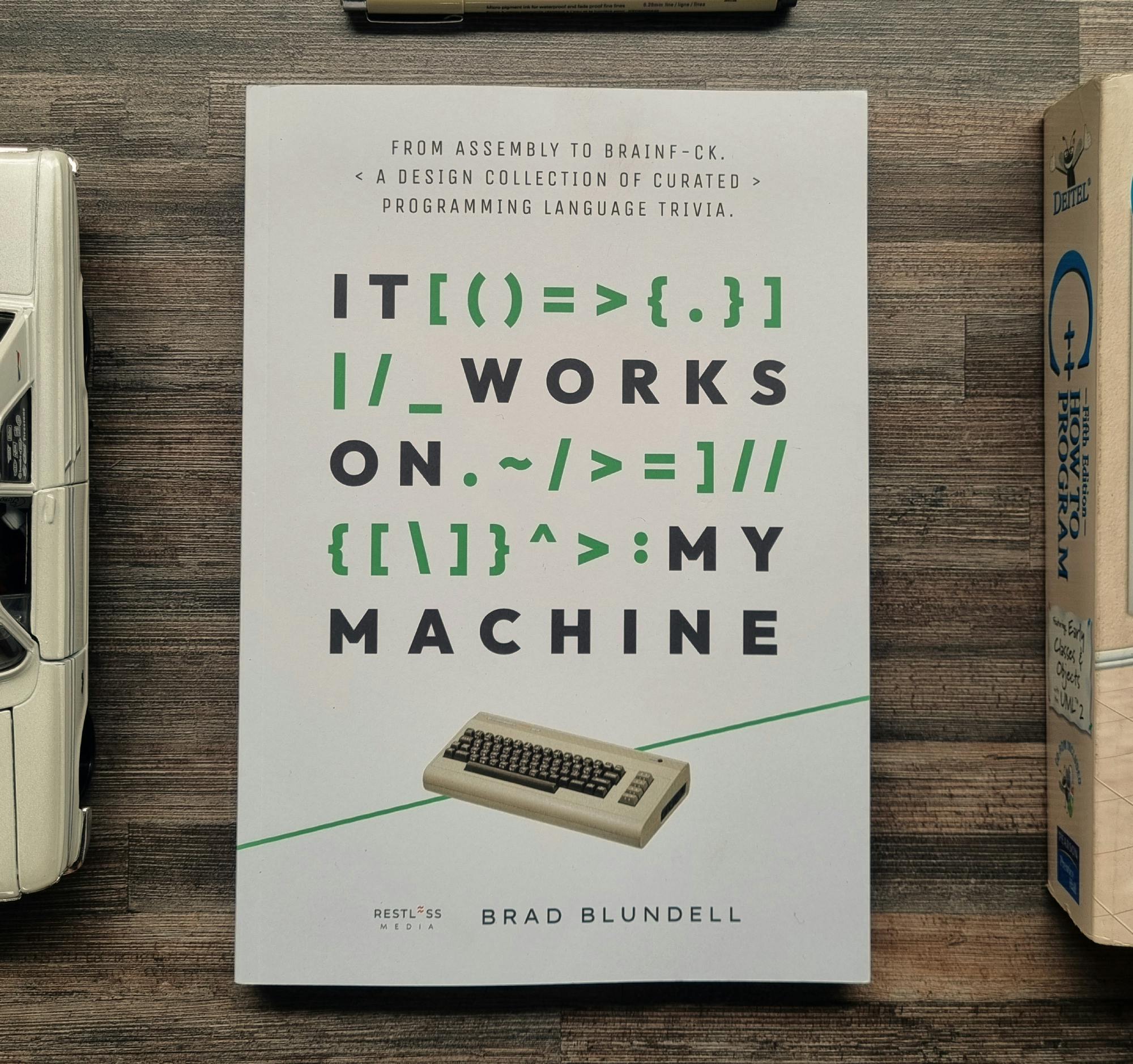
Ever come across a programming language where a simple “Hello, world!” program contains 142,209,095,870,573,693,396,245,504,627,320,468,349,603,549,841,832,242,891,887,476,756 zeroes in the source code?
How about a language that’s so challenging it’s named after the eighth circle of hell in Dante’s Inferno?
Ever wondered which languages control the onboard computers of NASA’s Mars exploration rovers or handle almost every ATM and credit-card transaction globally?
Imagine languages written using emojis, only white space, or one programming language that expects no code at all.
Who would write a language dedicated to “Rockstar programmers” or fans of poorly written fetish erotica? And which one would reject you if you are not damn polite enough?
I have the answers.
I put them into a book.
But first, let me take you back to early 2018…
2:30pm. Facebook Partner Centre, Palo Alto. 2 hours to deadline and I’m all out of ideas.
By the end of Day 3 of our Silicon Valley Agency Hackathon we had workshopped, hacked, consumed, creative’d, sightseen, super-sized and fast-food’ed all that could be crammed into such a short space of time. The mission was simple: Meet with our agency partners at Google, Twitter and Facebook, geek out over their latest tech and product offerings and take the best ideas back home with us.
Come Day 4, the cocktail of technology and travel had left me with a digital hangover. An early bus to Palo Alto was followed by breakfast, introductions, product talks and workshops before a short lunch segued us to our tour’s final hackathon: a retro-chic sounding Hyper Hack II. An hour into the hackathon and there was absolutely nothing hyper going on. Weak concepts were curling up in Post-Its, while dry-erase scrawls on the whiteboard screamed of over-engineering.
It was time to take a walk.
That walk led to an encounter with
code {poems} would not only inspire the solution to my impending deadline but also kickstart the process that would ultimately result in It Works on My Machine. An alternative roam through the world of programming, into the backstories of languages, how they connected to and influenced each other, discovering insights into where we find programming today. I started “road-tripping” code rather than just “taking the bus,” bumping into obscure curiosities like code golf, Turing tarpits, weirdlangs, wimpmode, matrioshka languages, and fungeoids.
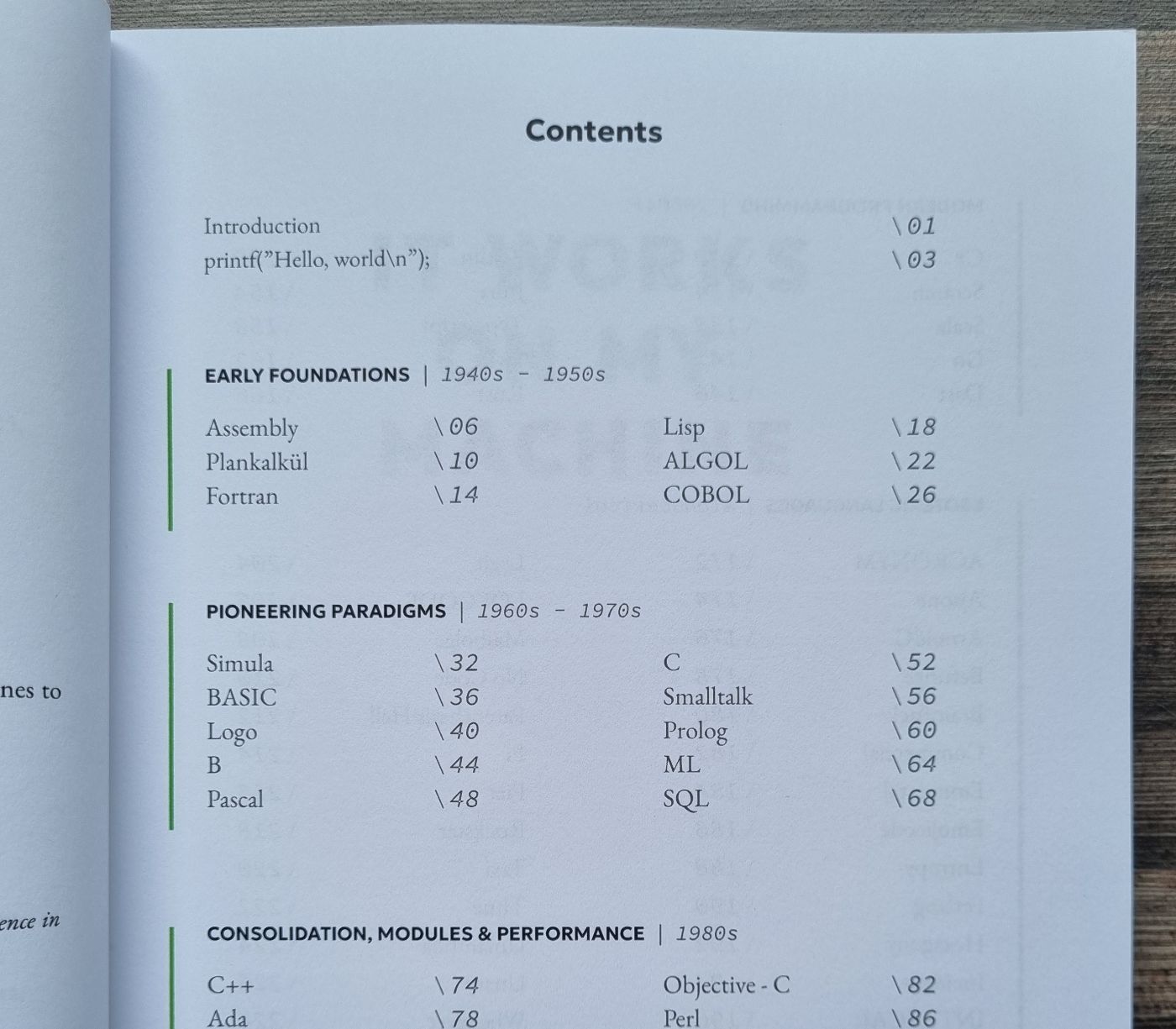
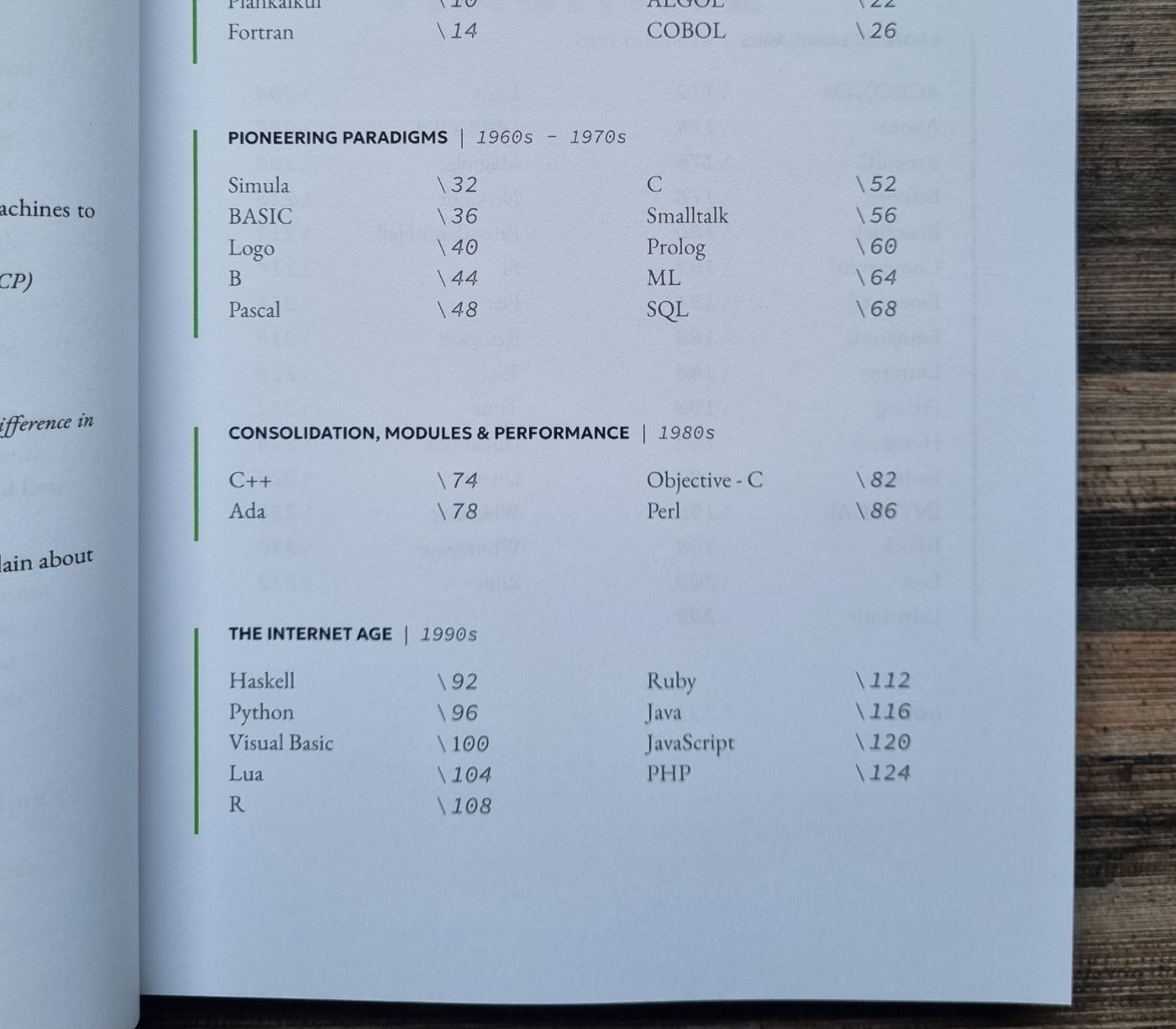
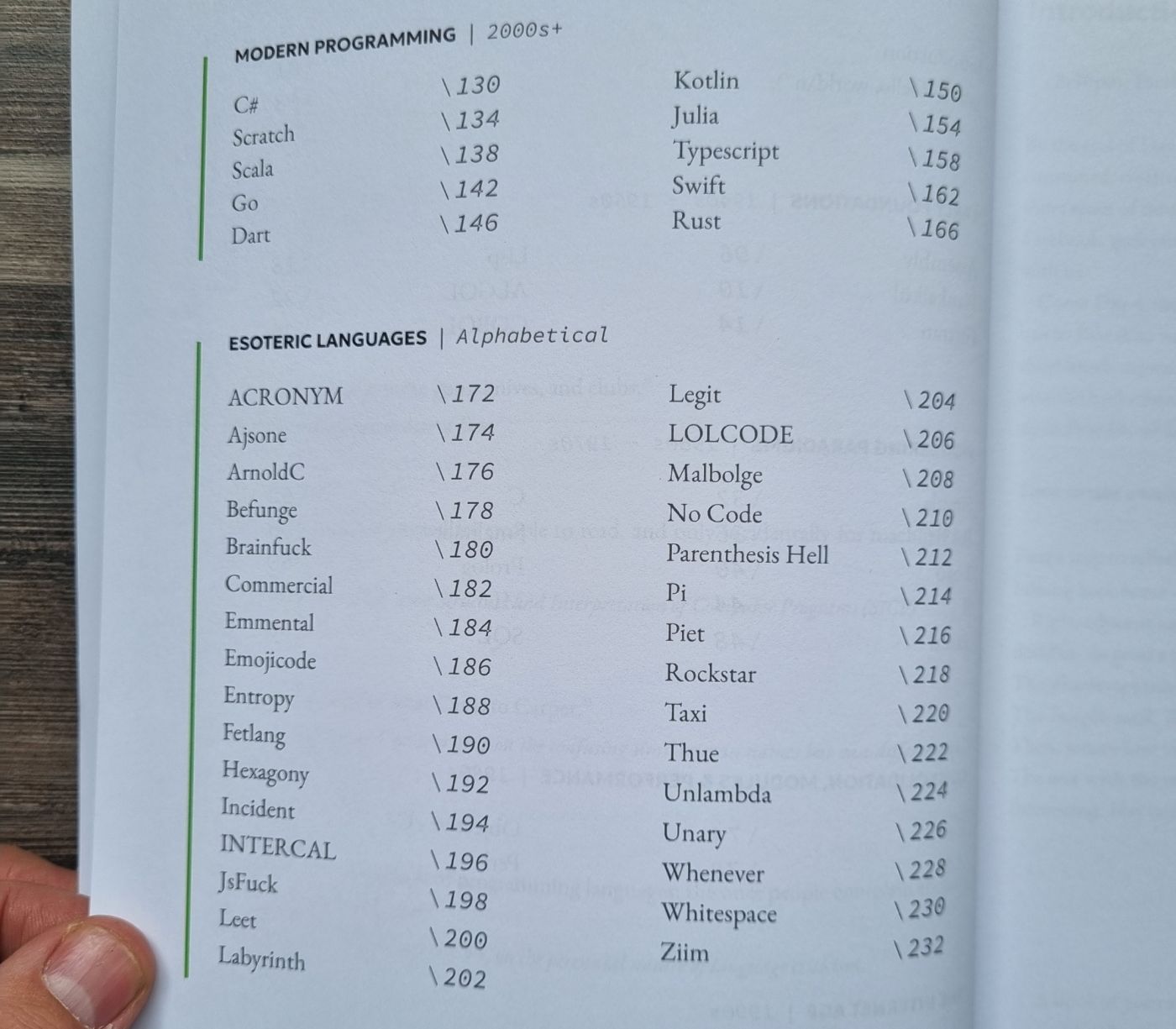
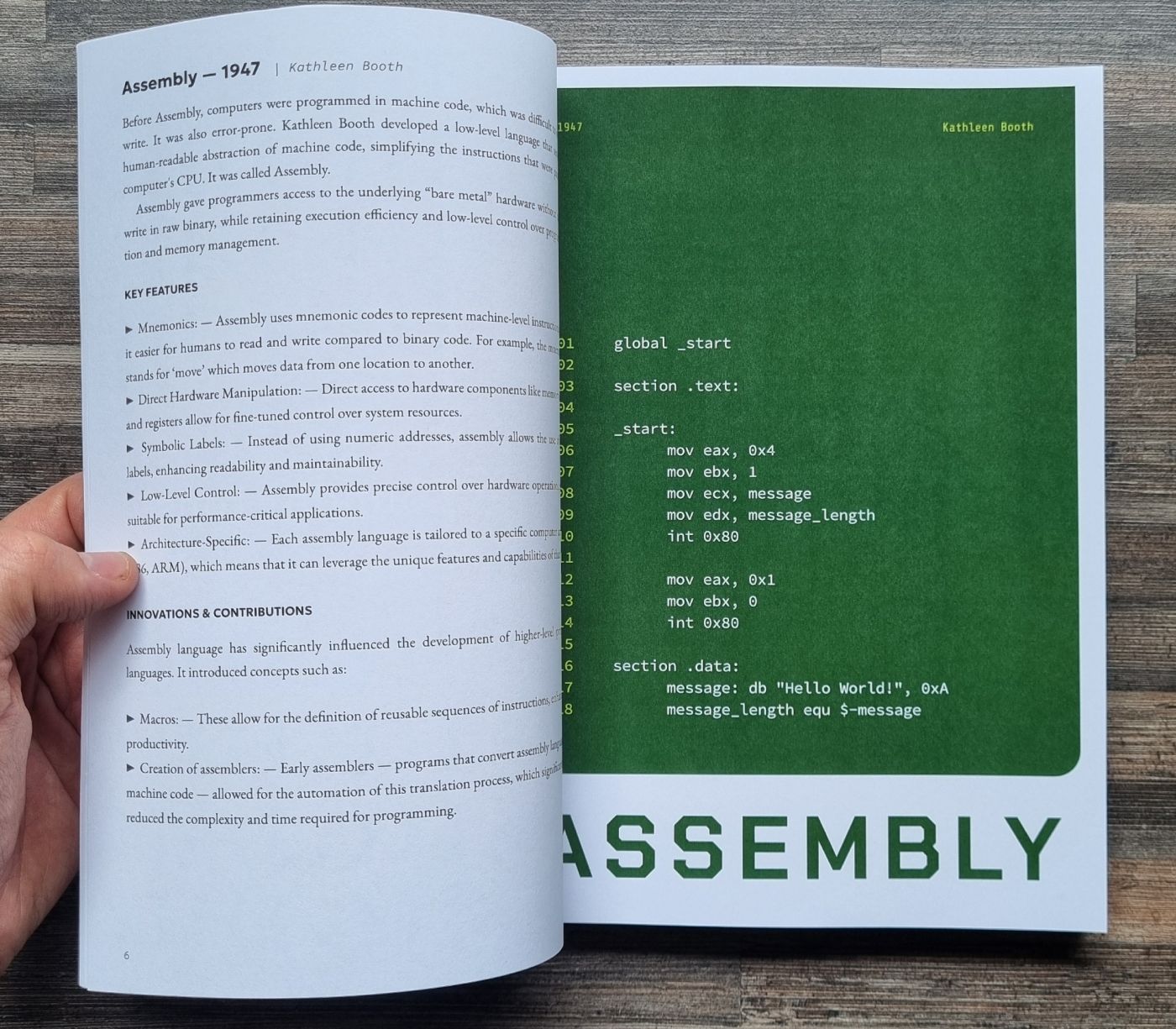
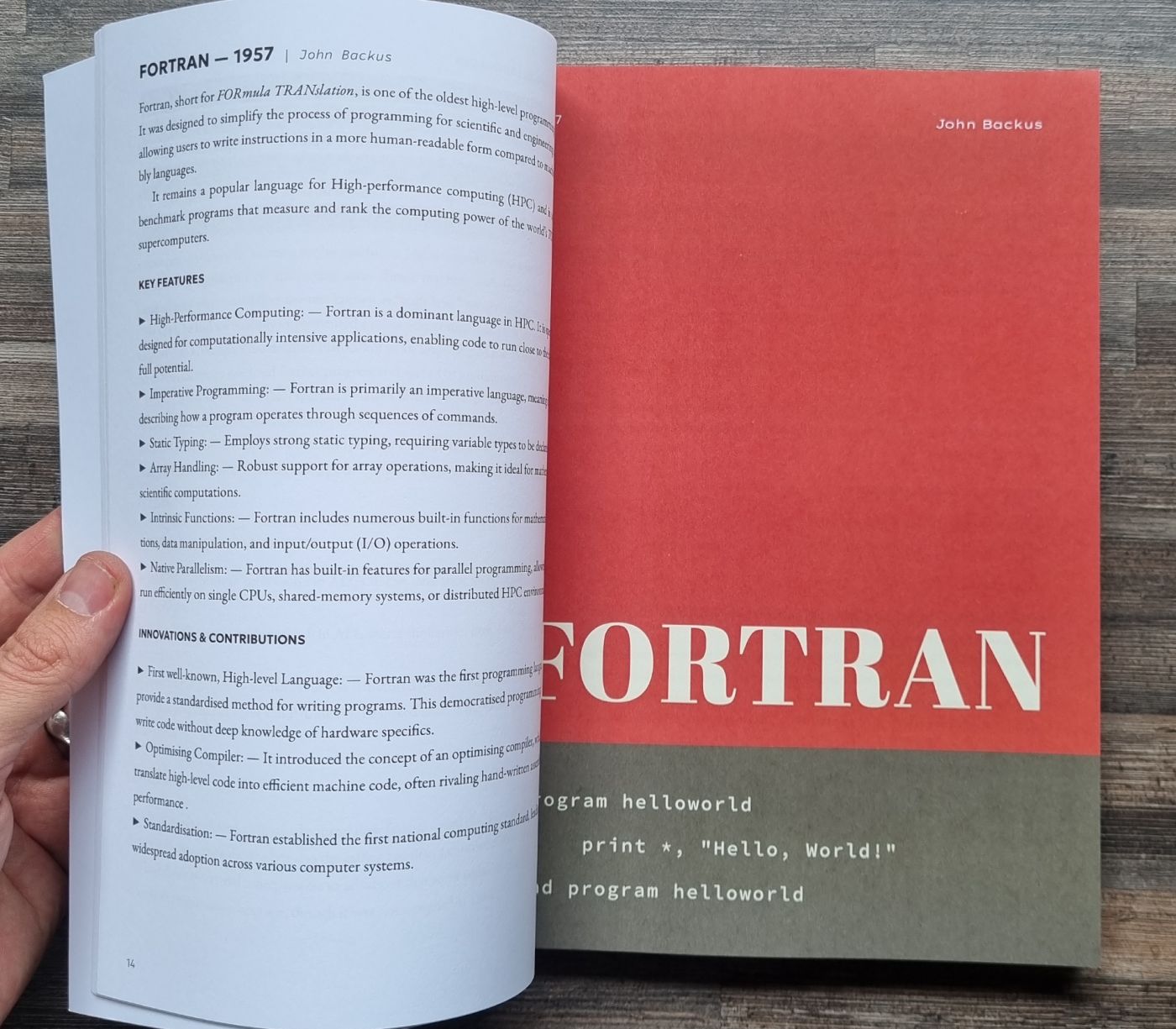
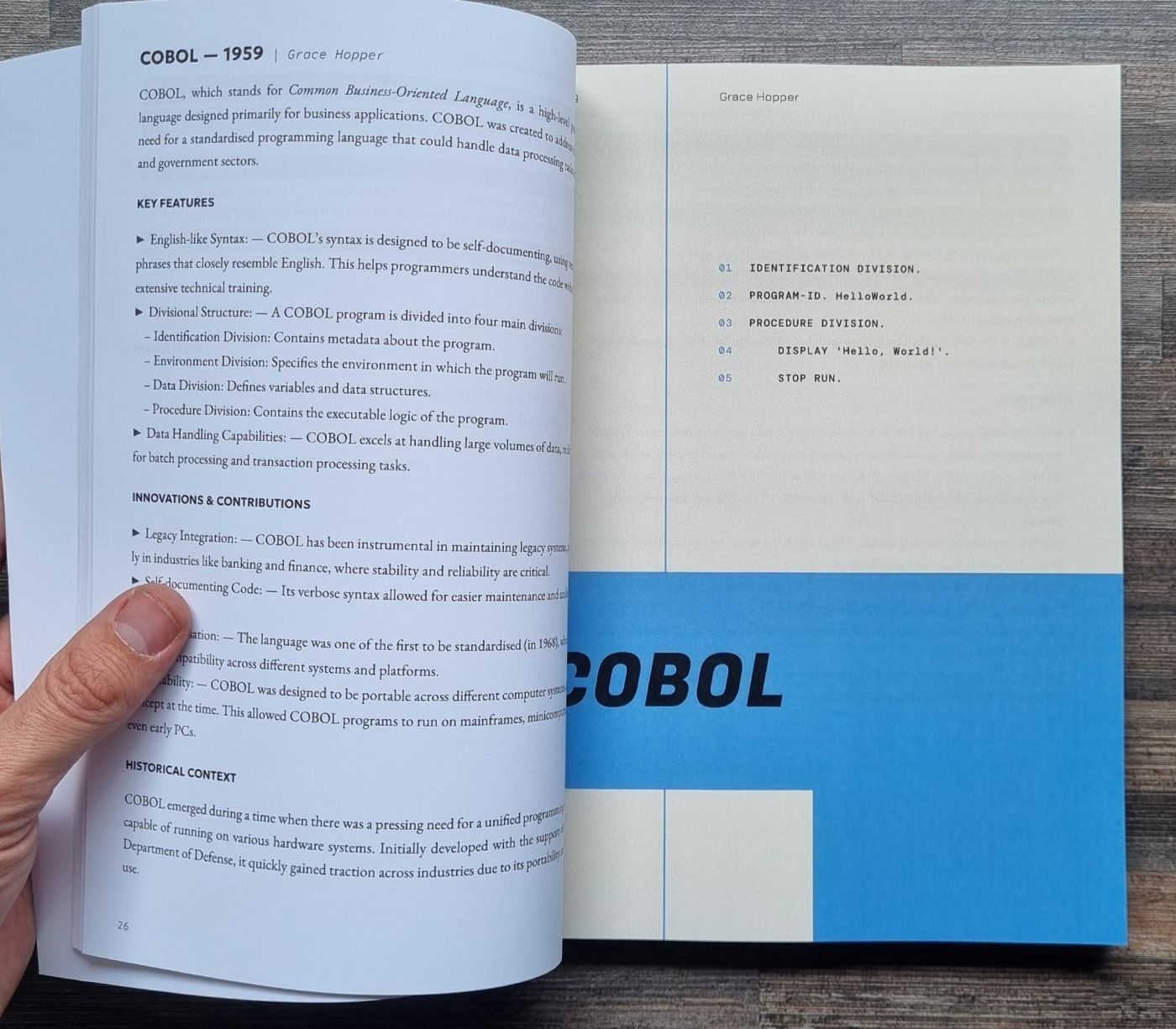
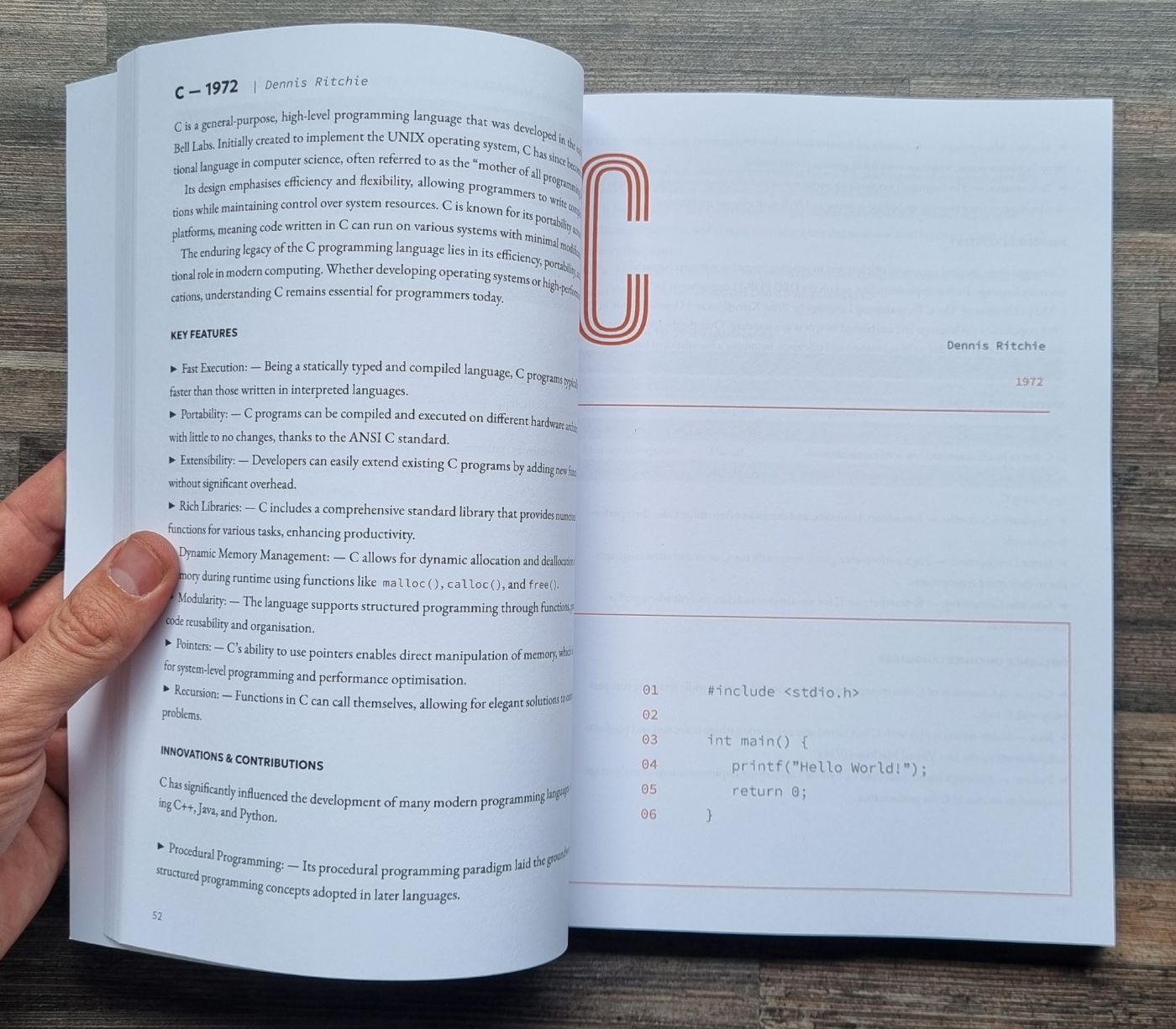
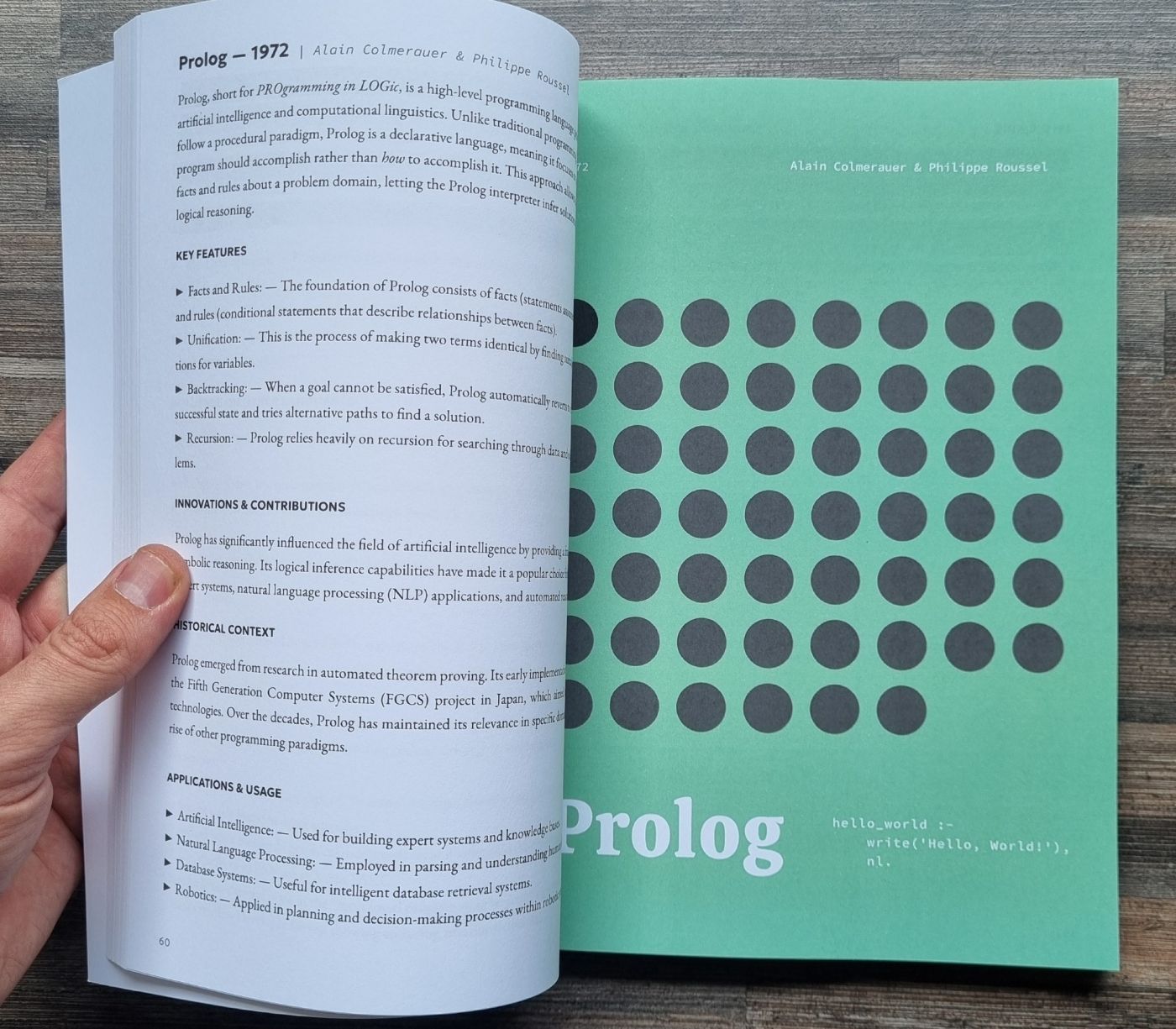
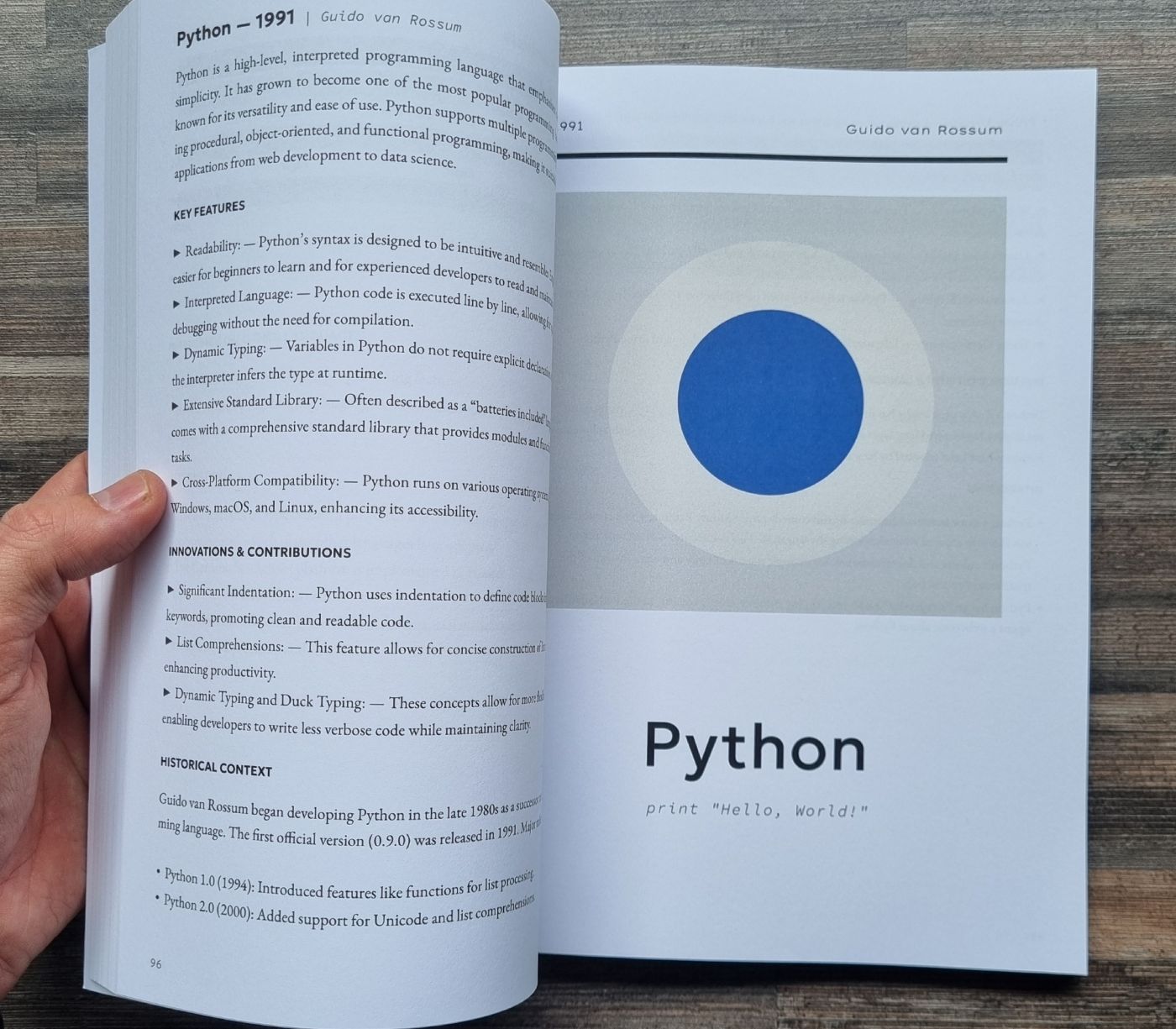
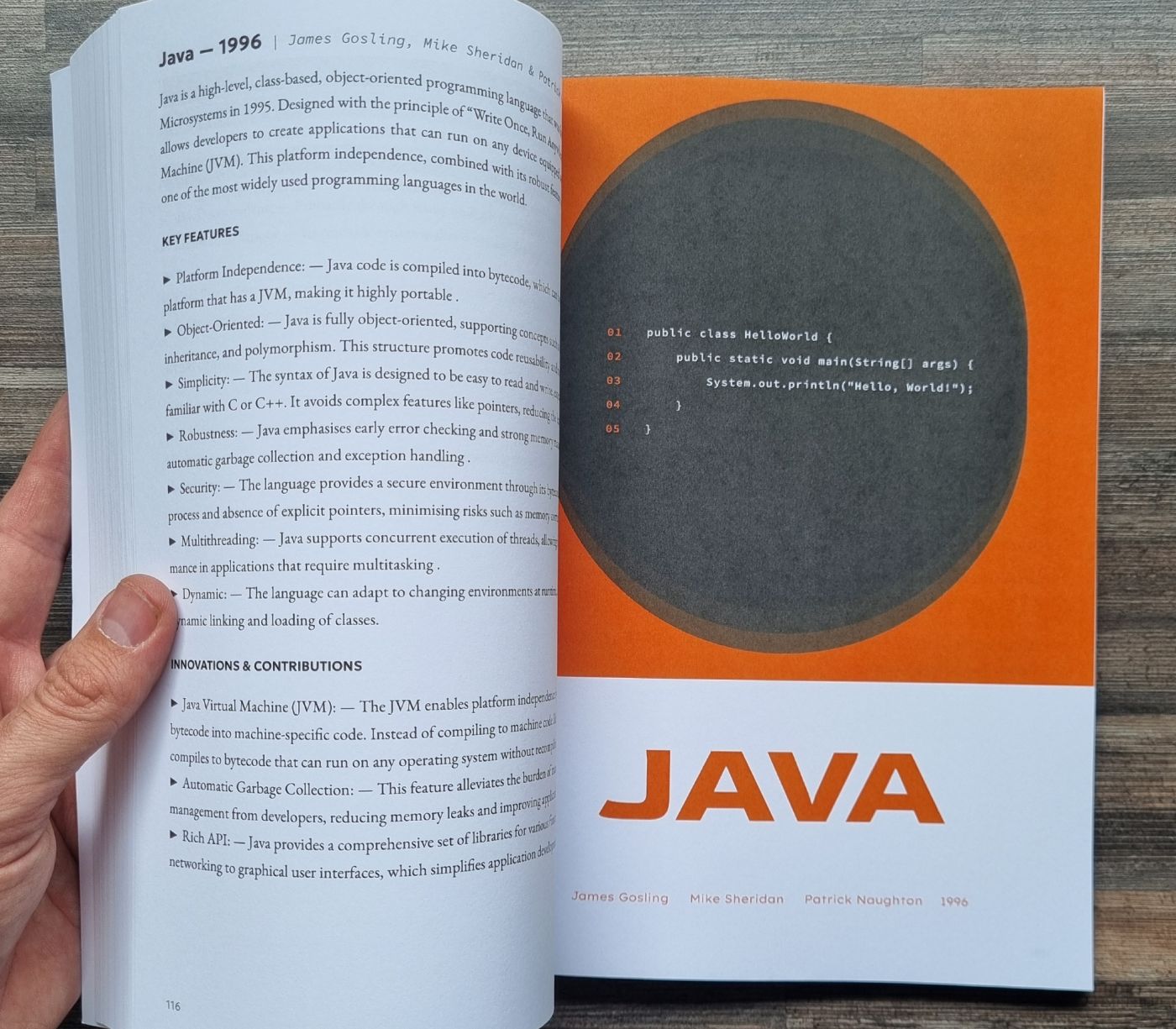
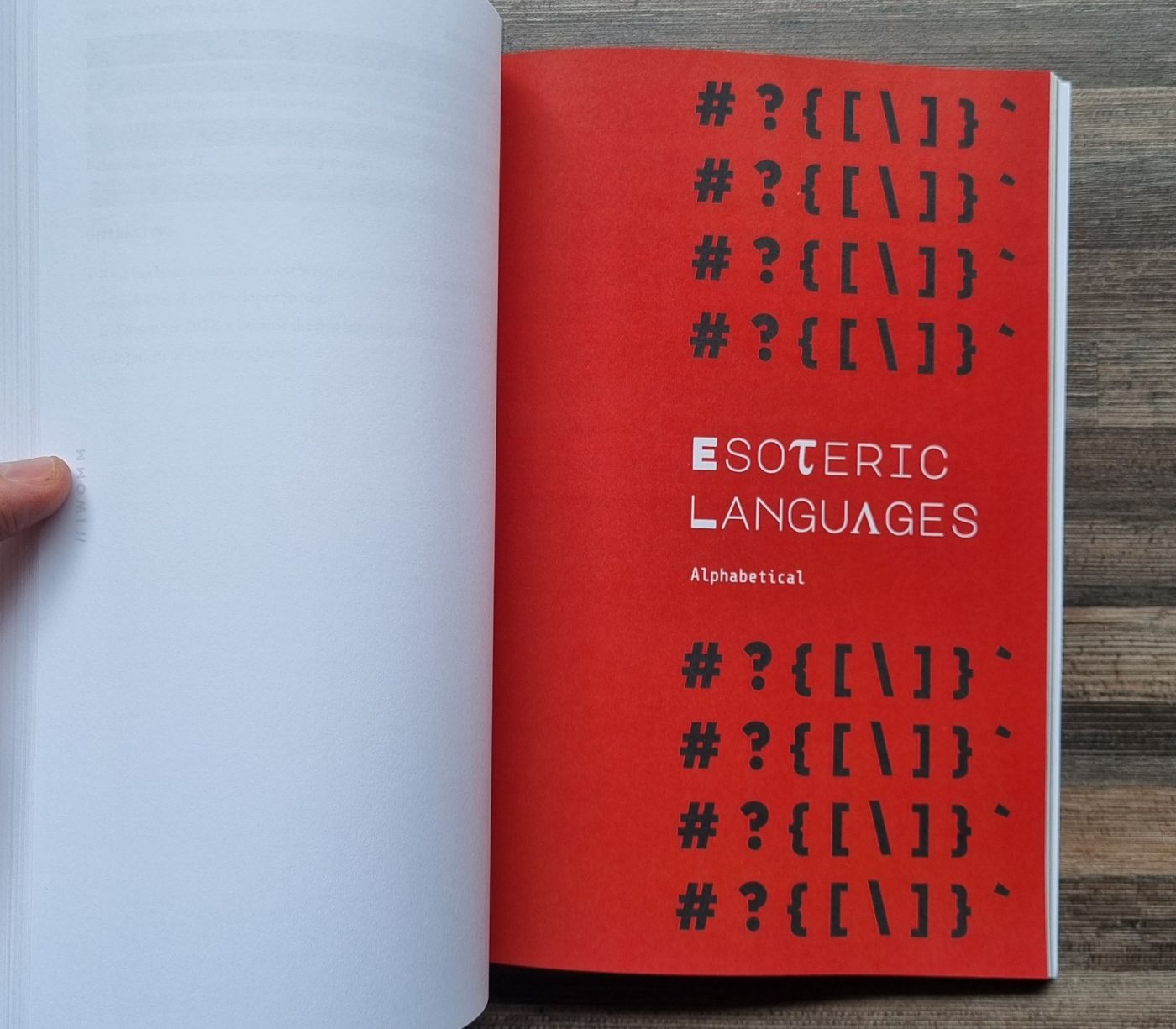
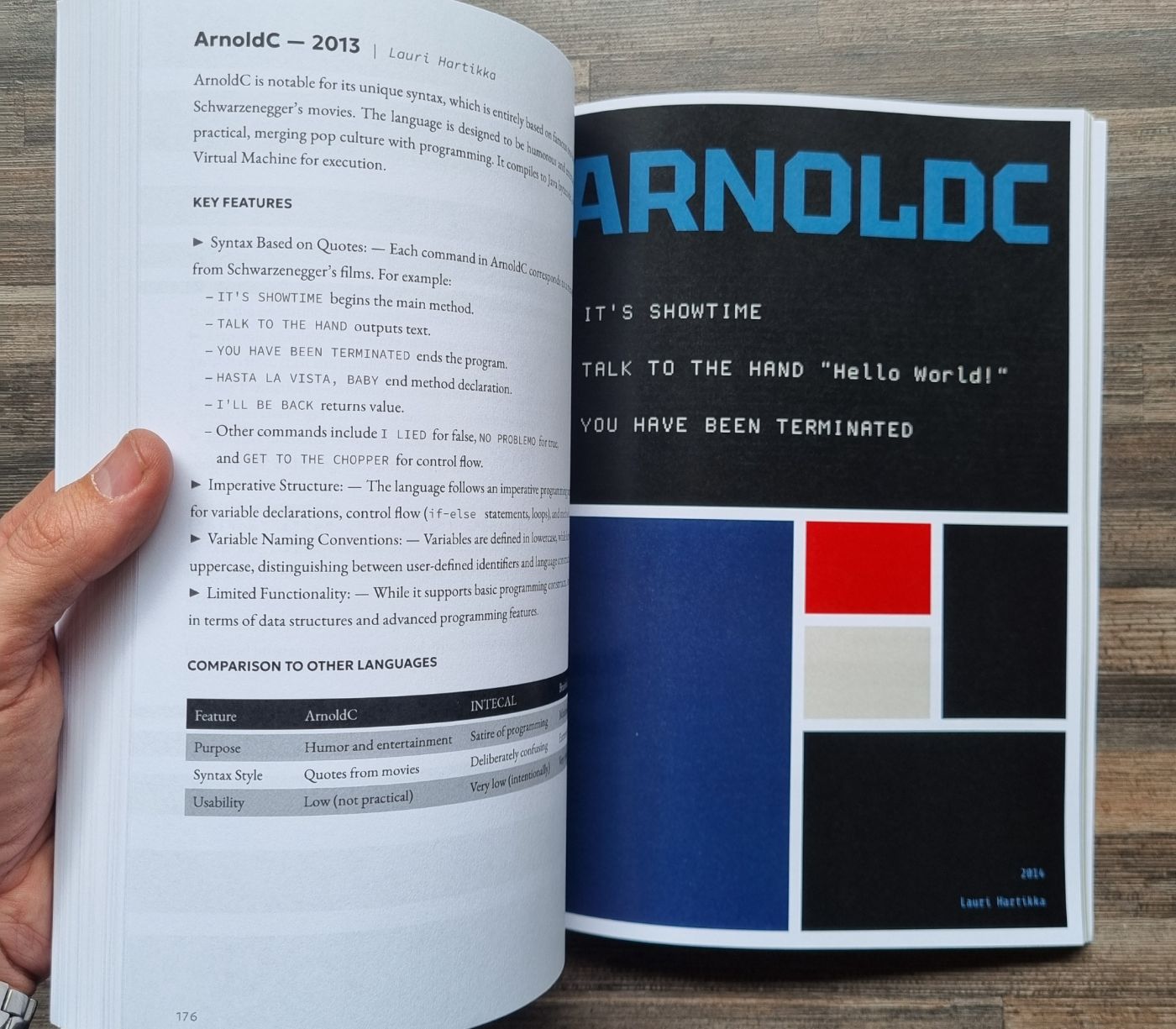
It Works on My Machine is a visually presented collection of curated programming language trivia, covering everything from the founding of fundamental concepts as we know them, to the more perplexing oddities found in esoteric languages. Whether you’re a beginner eager to learn or a seasoned developer aiming to broaden your toolkit, it will enrich your perspective on the languages that shape our digital world.
🏷️For more odd and nerdy code trivia, check out It Works on My Machine on
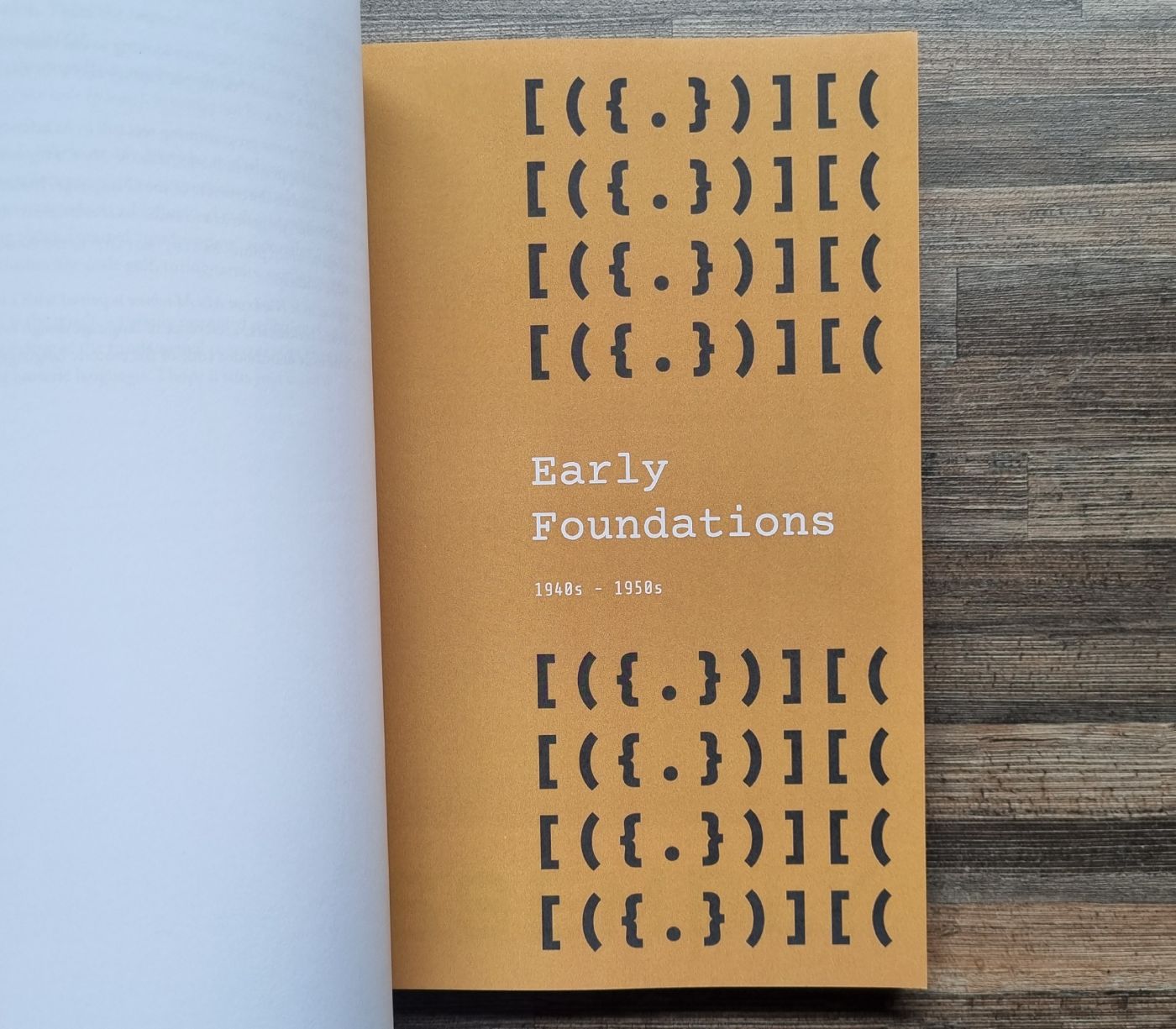
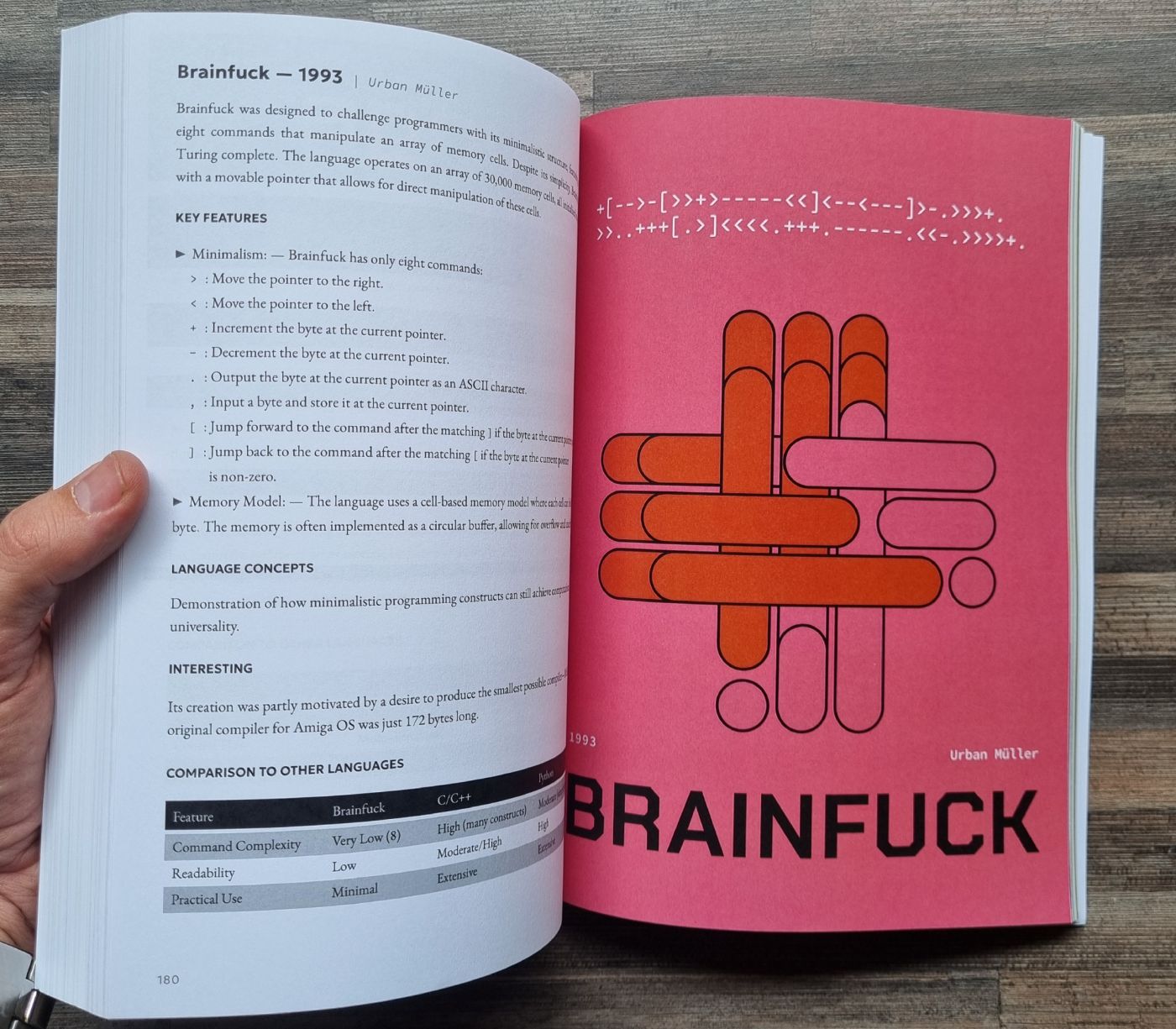
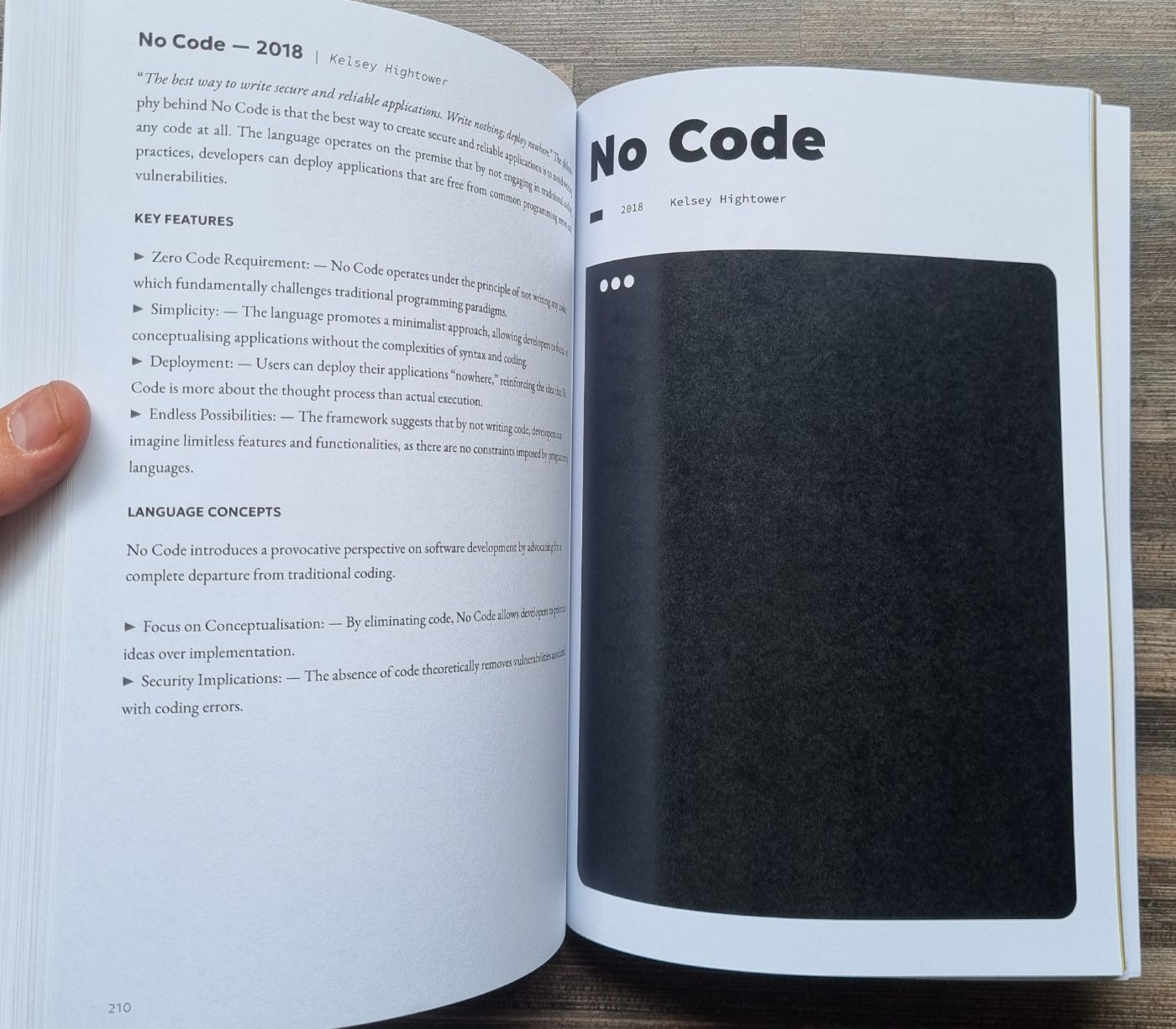
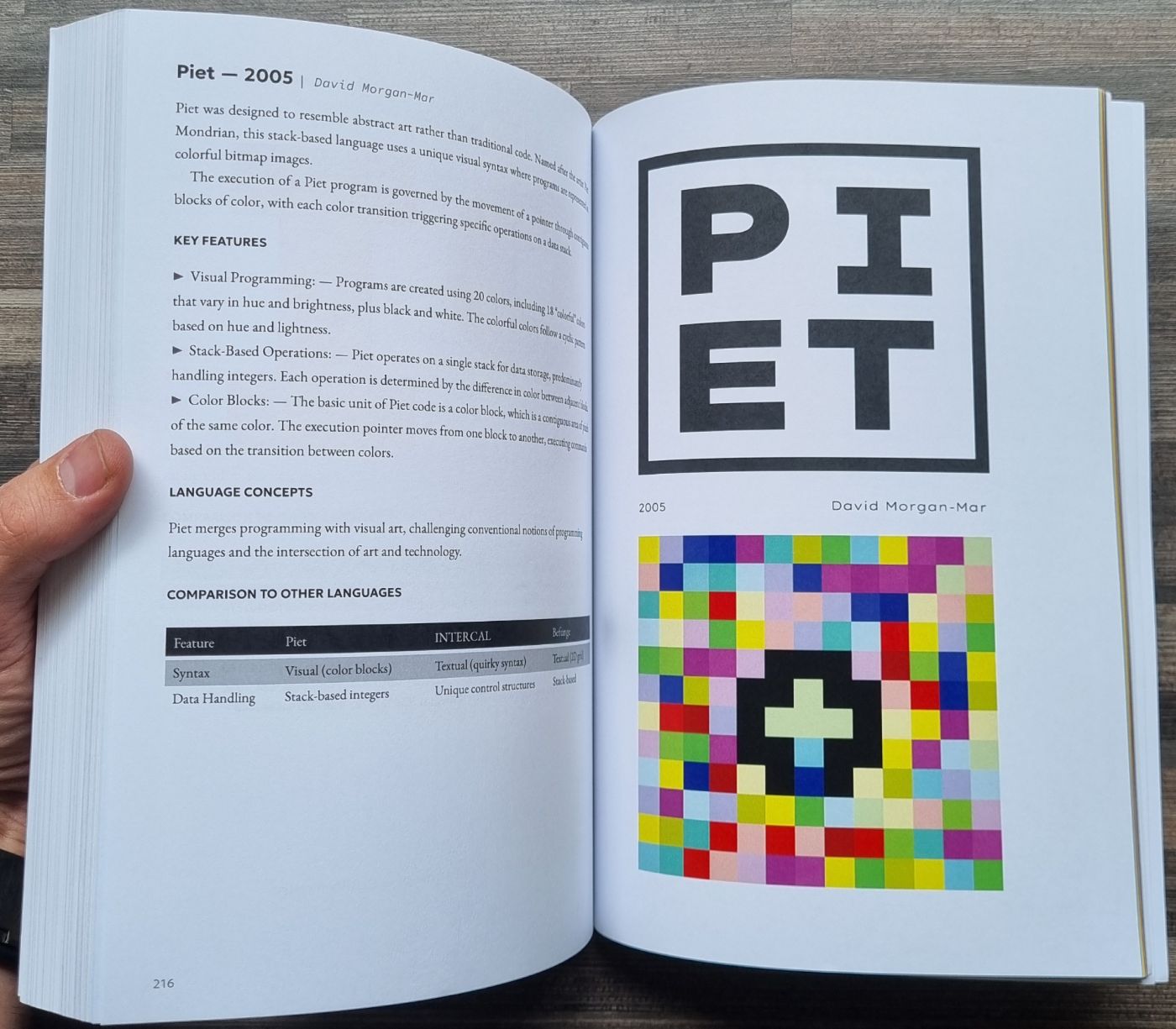
Sample page preview
Thanks for reading.
#!/usr/bin/brad
© All images and photos in this story are courtesy of the author.
[story continues]
tags