TL;DR —
The conclusion highlights the behavioral dominance of dark pattern designs despite varying privacy concerns, particularly noting older adults' vulnerability due to a loss-aversive nature. Suggestions include identifying counteractive technology designs and establishing regulations to protect older adults from disproportionate effects.
Authors:
(1) Reza Ghaiumy Anaraky, New York University;
(2) Byron Lowens;
(3) Yao Li;
(4) Kaileigh A. Byrne;
(5) Marten Risius;
(6) Xinru Page;
(7) Pamela Wisniewski;
(8) Masoumeh Soleimani;
(9) Morteza Soltani;
(10) Bart Knijnenburg.
Table of Links
9 Appendix
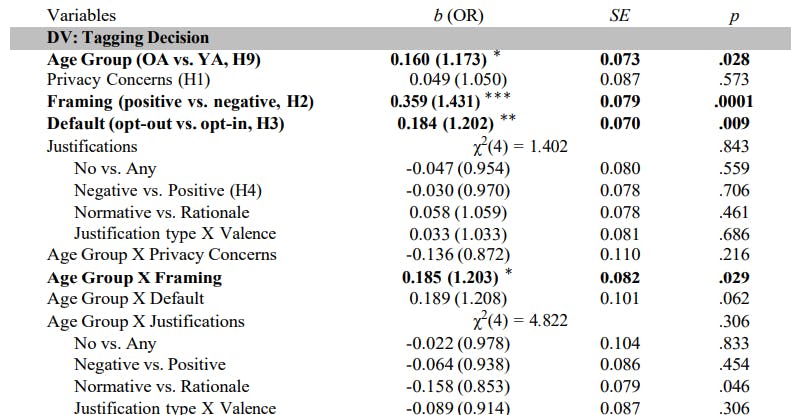
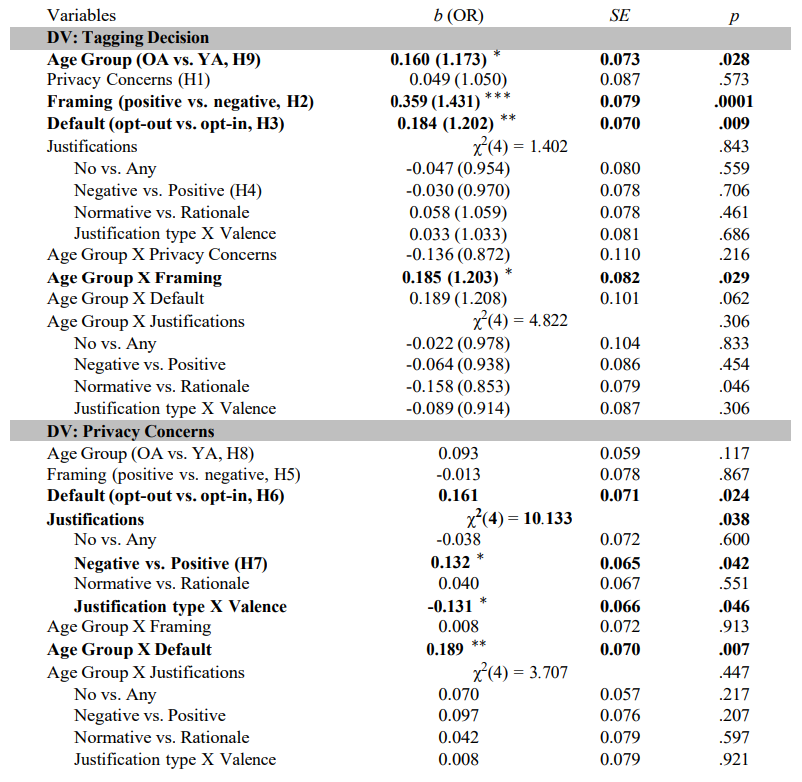
Table A1. A summary of the saturated path model including all of the significant findings. Please note that some of the results are different than what being reported in the hypotheses testing as this is the result of the saturated model rather than only hypothesized model (∗ p < .05, ∗∗ p < .01, ∗ ∗ ∗ p < .001)
This paper is available on arxiv under CC BY-NC-SA 4.0 DEED license.
[story continues]
Written by
@escholar
We publish the best academic work (that's too often lost to peer reviews & the TA's desk) to the global tech community
Topics and
tags
tags
online-privacy|dark-patterns|dark-pattern-design|privacy-decision-making|behavioral-research|information-disclosure|data-disclosure-behavior|privacy-policy-design
This story on HackerNoon has a decentralized backup on Sia.
Transaction ID: Tvx7b1MkCUvYeUaVnisanAlZpUwWKe6D7Mg00rZmsV8