


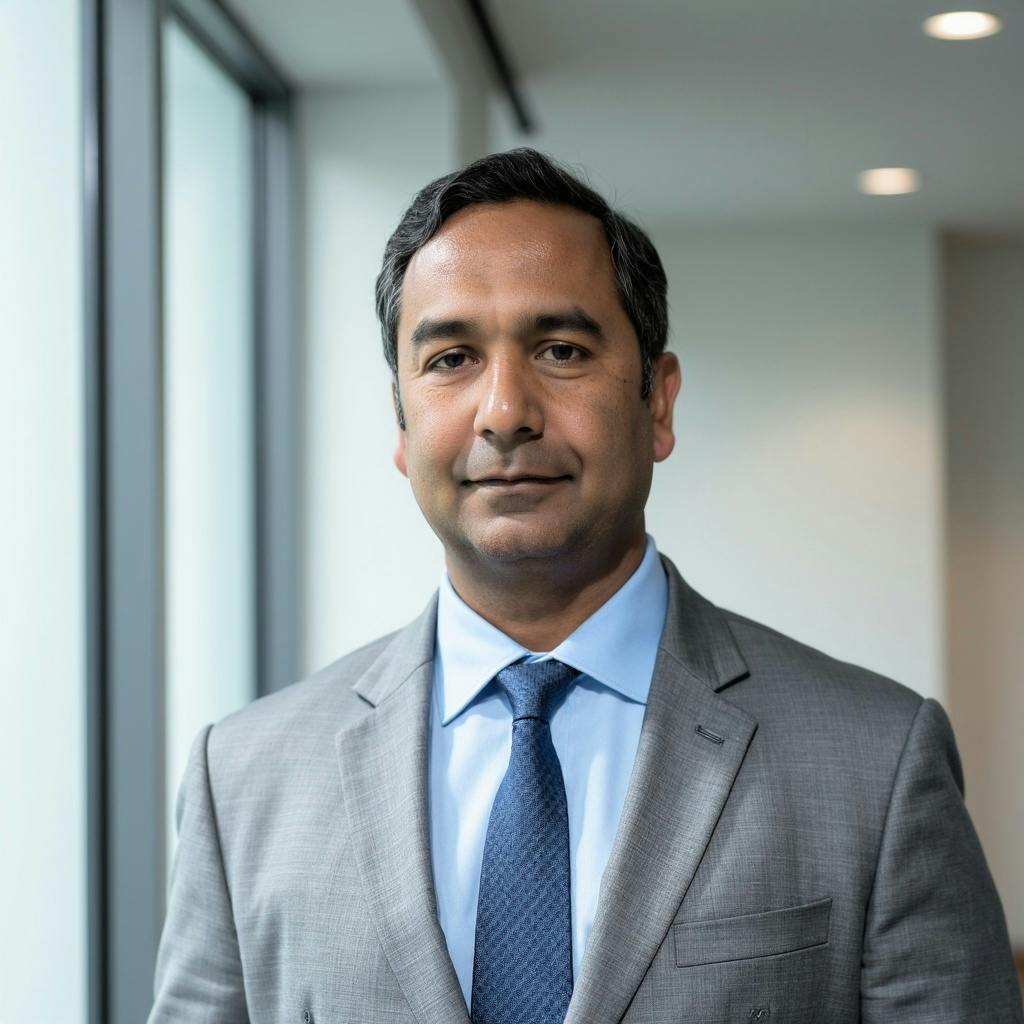
Rahamath Mohamed Razikh Ulla, a distinguished technical program manager in the artificial intelligence and digital transformation sector, resides in Fremont, California. With an impressive academic foundation that includes a Ph.D. in Artificial Intelligence from Capitol Technology University and an MBA from Washington State University, Razikh masterfully combines cutting-edge technical knowledge with strategic business acumen. His extensive experience spanning over 20 years in technical program management has refined his expertise in AI platform development, cross-functional team leadership, and large-scale digital transformation initiatives.
Razikh's passion for AI-driven solutions stems from a profound belief in technology's power to solve complex business challenges and enhance human capabilities. His computer science engineering background, coupled with a drive to leverage artificial intelligence for transformative business outcomes, led him to specialize in recommendation systems and enterprise AI platforms. The field offers unique opportunities to harness machine learning algorithms, optimize business processes, and actively contribute to the digital evolution of modern enterprises.
To manage multiple complex programs simultaneously, Razikh employs a sophisticated prioritization framework. He evaluates project dependencies, business impact, and resource requirements, utilizing advanced project management tools like Jira Align to develop comprehensive roadmaps and break initiatives into measurable milestones. Regular stakeholder alignment sessions ensure priorities remain clear, resources are optimally allocated, and quality standards are maintained across all deliverables.
A significant challenge in AI program management involves navigating privacy regulations and compliance requirements. Razikh addresses this by conducting thorough regulatory research and building privacy-aware architectures from the ground up. By implementing comprehensive data governance frameworks and collaborating closely with legal teams, he ensures systems comply with GDPR, CCPA, CPRA, and emerging regulations like DSA and DMA. Additionally, managing cross-functional teams across different time zones requires systematic communication protocols and clear alignment on delivery objectives.
To evaluate program success, Razikh tracks multiple key performance indicators, including adherence to project timelines and budgets, system performance metrics, and user engagement levels. Metrics such as recommendation accuracy, platform scalability, and operational efficiency improvements are crucial for technical evaluation, while stakeholder satisfaction and business impact metrics remain pivotal benchmarks of overall success.
Innovation is fundamental to Razikh's leadership philosophy. He creates environments where team members feel empowered to propose creative solutions and participate in technical brainstorming sessions. By encouraging experimentation with emerging AI technologies like large language models and deep learning frameworks, he fosters a culture of continuous learning and improvement that drives breakthrough project outcomes.
Working with diverse cross-functional teams has been both rewarding and challenging throughout Razikh's career. Collaborating with data scientists, software engineers, product managers, and business stakeholders requires clear communication to align technical capabilities with business objectives. Regular sprint reviews and shared OKR frameworks help unify different perspectives and enhance collaborative effectiveness.
Razikh approaches conflict resolution through proactive stakeholder engagement. By facilitating open dialogue between team members and mediating technical disputes when necessary, he transforms challenges into opportunities for strengthening team cohesion and improving project delivery processes.
Looking toward the future, Razikh anticipates significant advancements in generative AI, particularly in large language models and multimodal AI systems. Improved MLOps practices and advancements in AI governance frameworks are expected to enhance model reliability and deployment efficiency. Additionally, the integration of AI with edge computing and real-time analytics will optimize system performance and enable new use cases across industries.
Stakeholder engagement remains central to Razikh's program management approach. He implements comprehensive communication strategies that include detailed progress dashboards, regular executive briefings, and transparent reporting mechanisms. Actively soliciting feedback from both technical teams and business stakeholders strengthens their involvement and ensures sustained support throughout complex transformation initiatives.
Razikh stays current with emerging trends in the AI industry, such as the growing importance of responsible AI practices, the rise of AI-powered automation in enterprise workflows, and the integration of AI with cloud-native architectures. Additionally, evolving privacy regulations and innovations in AI model optimization continue to shape the strategic direction of his programs.
About Rahamath Mohamed Razikh Ulla
Rahamath Mohamed Razikh Ulla is a highly accomplished technical program manager specializing in AI-driven digital transformation, based in Fremont, California. Armed with a Ph.D. in Artificial Intelligence and an MBA, along with certifications in AWS Solution Architecture and TOGAF Enterprise Architecture, he bridges deep technical expertise with strategic business leadership. With a focus on innovation and scalability, he has successfully managed numerous AI platform initiatives, ensuring regulatory compliance, operational excellence, and cross-functional collaboration. Razikh is dedicated to advancing the AI industry while fostering intelligent, privacy-conscious digital transformation across enterprise environments.
This story was distributed as a release by Sanya Kapoor under HackerNoon’s Business Blogging Program.