


For more than a decade, global capital chased digital growth stories. Investors poured money into software, platforms, and network-driven companies that promised rapid scaling and dramatic exits.
But quietly, something important is beginning to change.
A growing number of sophisticated investors are shifting their attention toward what could be called “the plumbing of reality.” Not apps, not platforms, but the physical systems that allow the real economy to function. Water systems, energy infrastructure, waste treatment, and industrial services are slowly returning to the center of serious capital allocation.
The recent acquisition of Pieco by the environmental private equity firm Ambienta is a useful signal of this shift. At first glance it looks like a routine mid-market private equity transaction. In reality, it reflects a deeper change in how long-term investors are beginning to think about risk, resilience, and value creation.
Water Is Not a Utility
Most investors still think about water as a basic utility. It is perceived as cheap, stable, and largely taken for granted.
Inside heavy industry, however, water plays a very different role.
In manufacturing environments, water is a critical operational input. Industrial processes depend on large and continuous volumes of water for cooling systems, chemical reactions, thermal control, and cleaning cycles. Without reliable water management, entire production lines can slow down or shut down.
At the same time, several structural pressures are intensifying. Water scarcity is becoming more visible in many industrial regions. Environmental regulations around wastewater discharge are tightening across jurisdictions. Meanwhile, industrial expansion continues in emerging markets where infrastructure often struggles to keep up with growth.
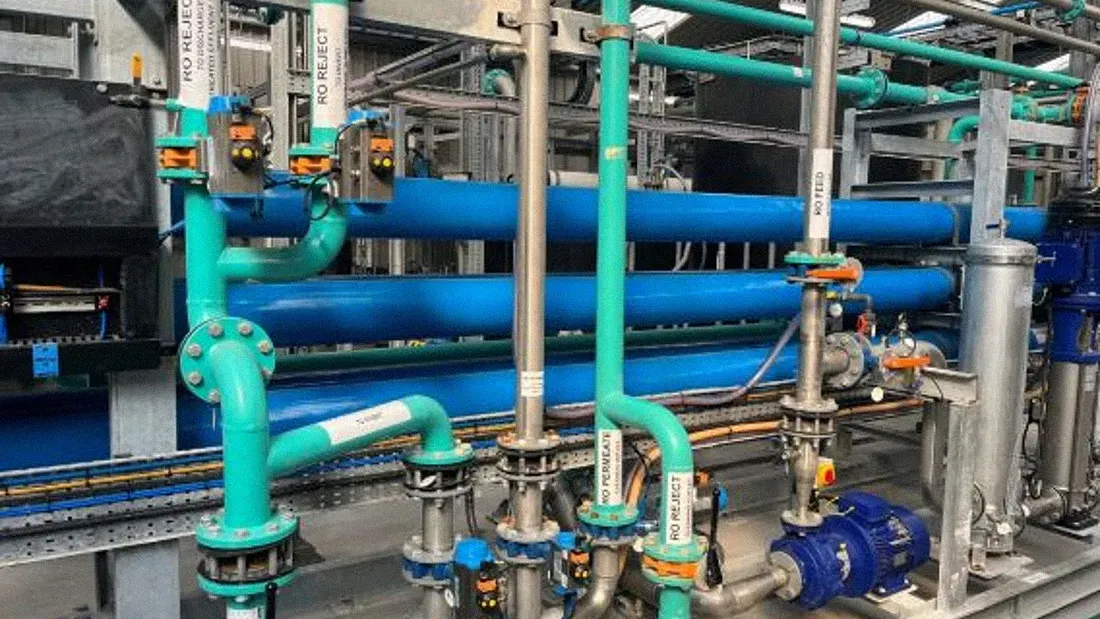
This combination is forcing many factories to rethink how they manage water. Instead of relying solely on external supply, they increasingly need systems that treat, recycle, and reuse water internally. This is exactly the space in which companies like Pieco operate.
Viewed from this perspective, industrial water treatment is not primarily about ESG compliance. It is about maintaining operational continuity in an environment where resources are becoming more constrained.
The Mispricing of Industrial Infrastructure
The investment patterns of the last decade created a noticeable distortion in capital allocation.
Software companies attracted enormous flows of capital because they promised exponential growth, compelling narratives, and attractive venture-style exits. Industrial infrastructure, by contrast, was often ignored because it looked slow, complex, and unglamorous.
Yet the economics of many industrial service companies are surprisingly robust.
Businesses operating in areas such as water treatment often benefit from long-term contracts, high switching costs, and regulatory demand that reinforces the necessity of their services. These factors tend to produce stable and predictable cash flows, which stand in contrast to the volatility often found in high-growth digital sectors.
As capital markets mature and interest rates normalize, investors are rediscovering the value of these more grounded economic models.
Regulation as a Competitive Moat
Operating a global industrial water treatment business requires navigating a complicated regulatory landscape. Environmental standards, wastewater discharge limits, industrial safety frameworks, and local permitting regimes vary significantly from one jurisdiction to another.
This complexity discourages new entrants and creates a natural barrier to entry.
For established operators, regulatory expertise becomes a strategic advantage. Companies that master these frameworks can deploy their technologies across multiple regions while maintaining compliance and operational reliability.
This dynamic becomes particularly interesting when advanced treatment technologies developed in Europe or North America are introduced into markets where industrial expansion is moving faster than infrastructure development. In those environments, the gap between technological capability and local infrastructure can create meaningful economic opportunities.
The Real Exit Story
For investors entering the sector through private equity structures or direct co-investments, the long-term exit pathway looks very different from that of a typical venture-backed technology company.
Environmental service firms are increasingly being consolidated into larger infrastructure platforms. Over time, these platforms attract buyers that are focused on stability and strategic control rather than speculative growth.
Potential acquirers often include sovereign wealth funds seeking reliable long-term cash flows, global utility companies looking to vertically integrate water treatment capabilities, and large infrastructure funds building diversified environmental service portfolios.
In this sense, companies like Pieco are less likely to end their journey as startup-style exits. Instead, they tend to become components of long-term infrastructure ownership structures.
Rethinking “Green” Investing
Many investors still interpret environmental investments primarily through the lens of ESG reporting and sustainability metrics.
But a more practical perspective is emerging.
In reality, many environmental technologies are not simply about ethical investing or regulatory compliance. They are about maintaining the physical systems that modern economies depend on.
Industrial water recycling systems, for example, are not feel-good technologies. They are tools that help factories control the rising cost and uncertainty associated with essential resources.
In a world where water, energy, and raw materials are becoming more constrained, the companies that manage the underlying systems of these resources occupy a powerful position.
The implication for investors is straightforward. The next generation of durable investment returns may not come from another digital platform.
It may come from something much less glamorous.
The pipes, pumps, and treatment systems that allow the industrial economy to keep running.