
Scientific American Supplement, No. 799, April 25, 1891 by Various, is part of the HackerNoon Books Series. You can jump to any chapter in this book here. STARCHES FOR THE FINISHING OF COTTON FABRICS.
STARCHES FOR THE FINISHING OF COTTON FABRICS.
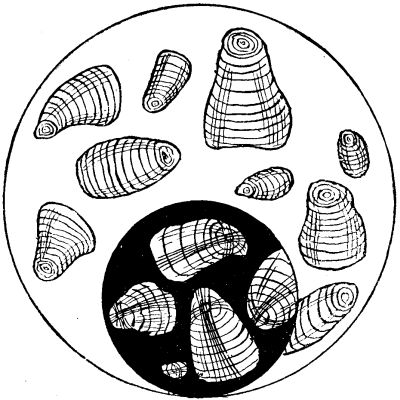
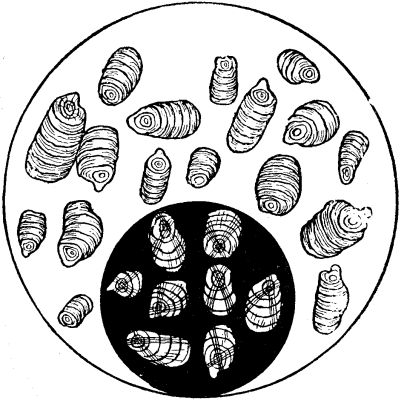
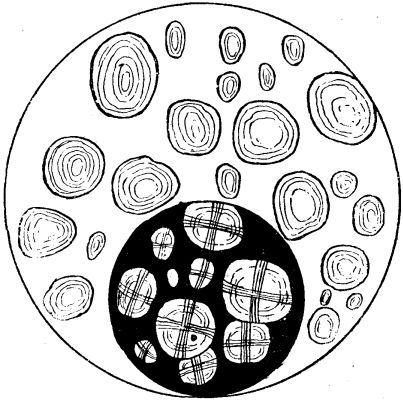
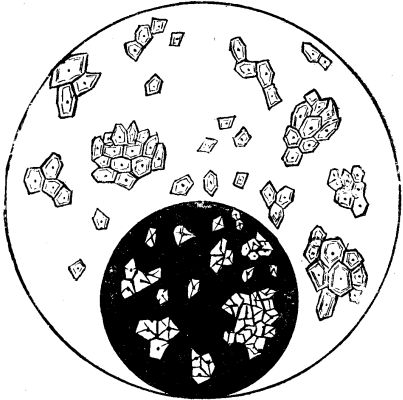
The starches have been classified by Dr. Muter, according to the appearance they give under the microscope, into five groups:
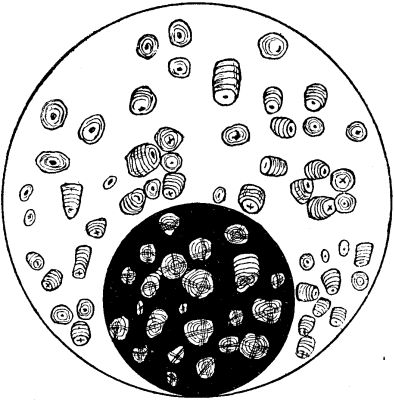
Class I.—Hilum and concentric rings visible. All the granules, oval or ovate. Tous-le-mois, potato, arrowroot, etc.
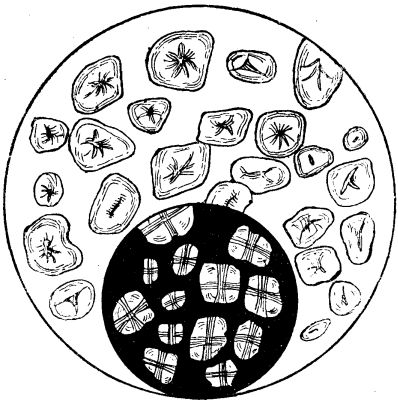
Class II.—The concentric rings are all but invisible, the hilum is stellate. Maize, pea, bean, etc.
Class III.—The concentric rings are all but invisible, also the hilum in the majority of granules. Wheat, barley, rye, chestnut, etc.
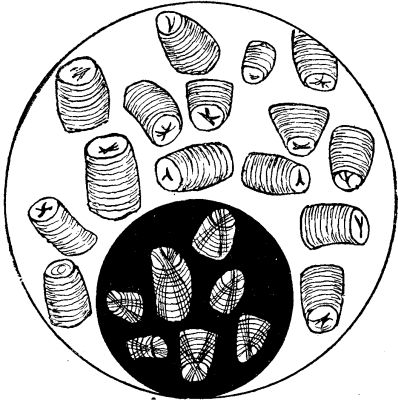
Class IV.—All the granules truncated at one end. Sago, tapioca, etc.
Class V.—All the granules angular in form. Rice, tacca, arrowroot, oats, etc.
The principal starches used for finishing cotton fabrics are potato (farina), wheat, Indian corn (maize), rice, tapioca, arrowroot, sago; the last three not so often as those previously named.
About HackerNoon Book Series: We bring you the most important technical, scientific, and insightful public domain books.
This book is part of the public domain. Various (2004). Scientific American Supplement, No. 799, April 25, 1891. Urbana, Illinois: Project Gutenberg. Retrieved https://www.gutenberg.org/cache/epub/11649/pg11649-images.html
This eBook is for the use of anyone anywhere at no cost and with almost no restrictions whatsoever. You may copy it, give it away or re-use it under the terms of the Project Gutenberg License included with this eBook or online at www.gutenberg.org, located at https://www.gutenberg.org/policy/license.html.
[story continues]
tags