
Use AI Agents Only Where Intelligence Is Actually Required
Introduction: The Overuse Problem
Over the past year, “agentic AI” has quietly turned into a default design pattern.
You’ll hear things like:
“Let’s wrap this in an agent.”
“We can build a planner-executor loop.”
“Let’s add memory and tool calling.”
Most AI systems today are overengineered.
Simple workflows are being wrapped in agents, planners, and memory layers when they could have been solved with basic automation.
The result? Slower systems, higher costs, and less reliability.
Here’s the uncomfortable truth:
Most of these systems don’t need agents at all.
They need good engineering.
What We’re Getting Wrong
There’s a fundamental misunderstanding happening in many teams today.
We’re mixing up two very different concepts:
- Automation (execution)
- Intelligence (reasoning)
They are not interchangeable.
And when you treat them as if they are, you get systems that are:
- harder to maintain
- slower to run
- more expensive
- and less reliable
Automation vs Intelligence (A Practical View)
Let’s simplify it.
Automation = predictable execution
Intelligence = decision-making under uncertainty
That’s it.
Deterministic Automation
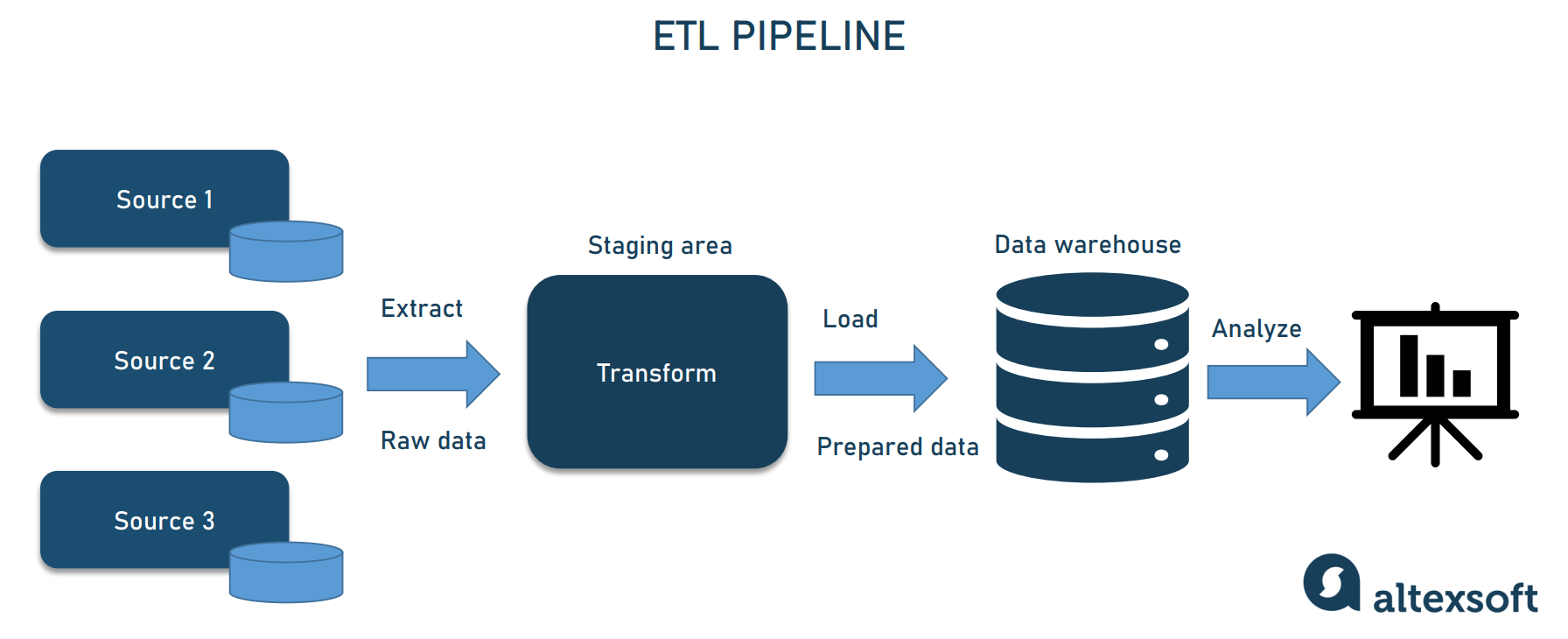
These are systems where:
- inputs are structured
- logic is defined
- outputs are expected
Examples you deal with every day:
- ETL pipelines
- API integrations
- scheduled jobs
- validation rules
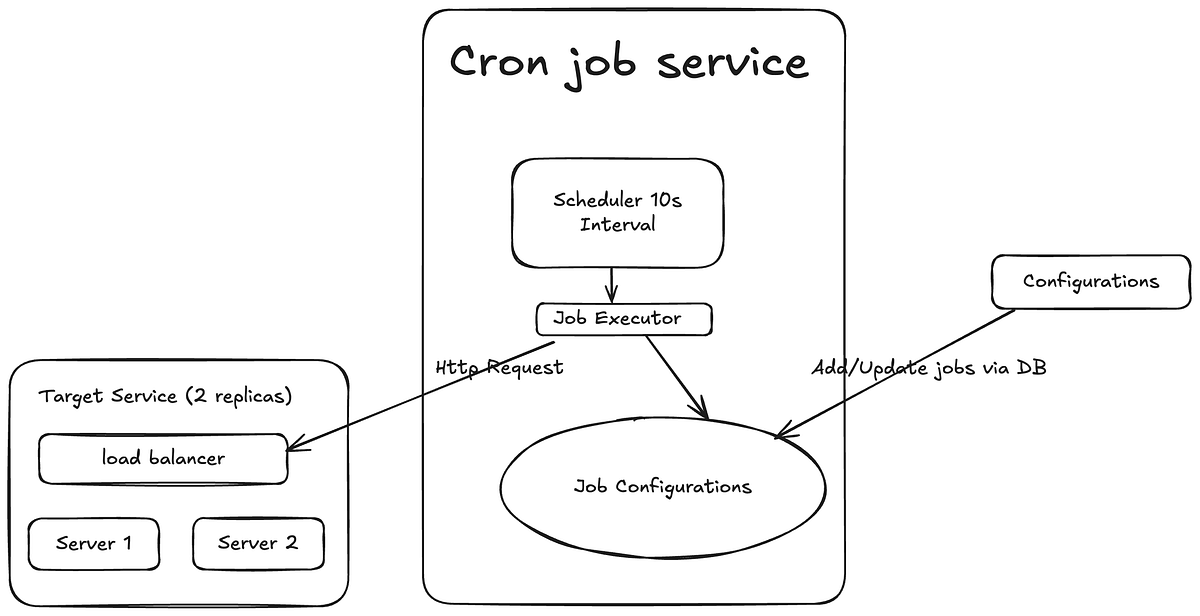
If you can write it as a function or a workflow…
you don’t need an agent.
Intelligence-Driven Systems
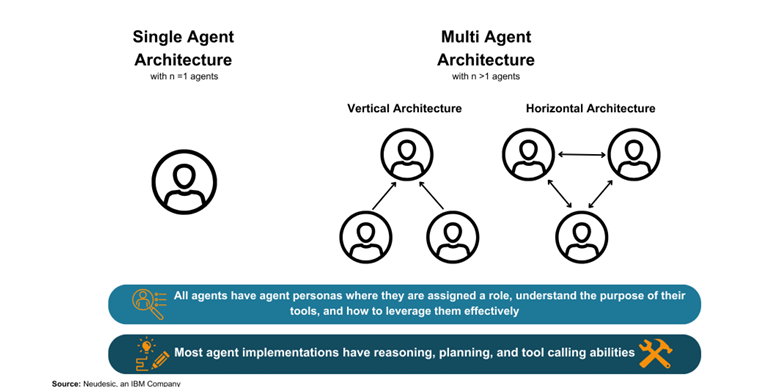
Now compare that with problems where:
- the input is messy
- the goal is vague
- the path is not predefined
Examples:
- analyzing a legal document
- answering open-ended user queries
- performing research across sources
- planning multi-step actions
Here, rules break down.
This is where agents make sense.
Where Things Start Going Wrong
The trouble begins when teams try to apply agentic patterns to deterministic problems.
It usually starts with good intentions:
“Let’s make this smarter.”
But what actually happens is something else entirely.
1. You Lose Reliability
Deterministic systems give you guarantees.
Agentic systems give you… probabilities.
That difference matters more than most people realize.
If a workflow must always produce the same result, introducing an LLM is not an upgrade; it’s a risk.
2. You Pay More for Less
An automated pipeline:
- runs in milliseconds
- costs almost nothing
An agentic workflow:
- makes multiple LLM calls
- requires orchestration
- adds retries, memory, tools
Now the same task:
- takes seconds
- costs significantly more
And often produces worse results.
3. Debugging Becomes a Nightmare
Traditional systems fail in obvious ways.
Agentic systems fail in subtle ways:
- incorrect reasoning
- partial context
- unexpected tool usage
- hallucinated decisions
You’re no longer debugging code.
You’re debugging behavior.
4. You Overengineer the Solution
This is the most common pattern I see:
Instead of:
Input → Process → Output
We get:
Planner → Memory → Tool selection → Execution → Reflection → Retry
For a problem that could have been solved with 30 lines of code.
A Simple Rule That Saves You Weeks
Before you build anything, ask this:
Does this task require reasoning, or just execution?
If the answer is:
- Execution → automate it
- Reasoning → consider an agent
This sounds obvious.
But in practice, this one decision separates clean systems from overengineered ones.
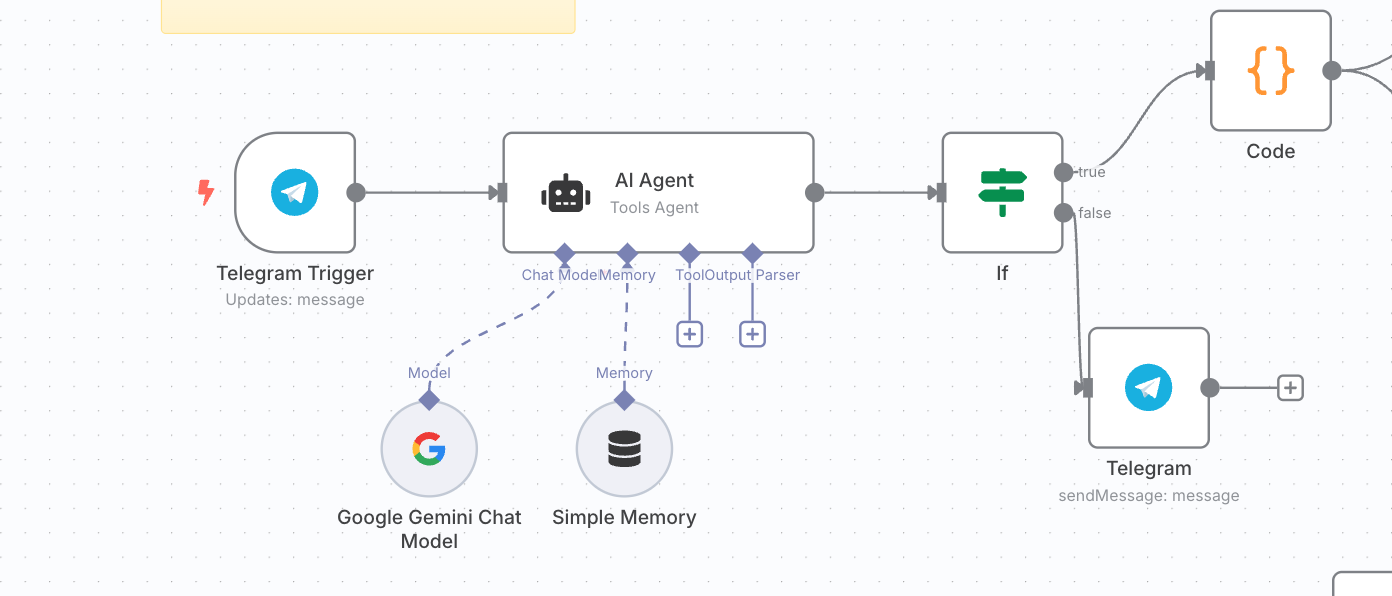
Where Agentic Workflows Actually Make Sense
Let’s be clear, agents are not the problem.
Misusing them is.
They are incredibly powerful when used in the right places.
1. Unstructured Data Problems
- documents
- emails
- PDFs
- knowledge bases
2. Multi-Step Reasoning
- research workflows
- planning tasks
- decision support systems
3. Human Interaction Layers
- copilots
- assistants
- conversational systems
4. Dynamic Environments
- changing inputs
- evolving context
- incomplete information
If rules can’t fully define the system,
that’s your signal to consider an agent.
The Right Way: Hybrid Systems
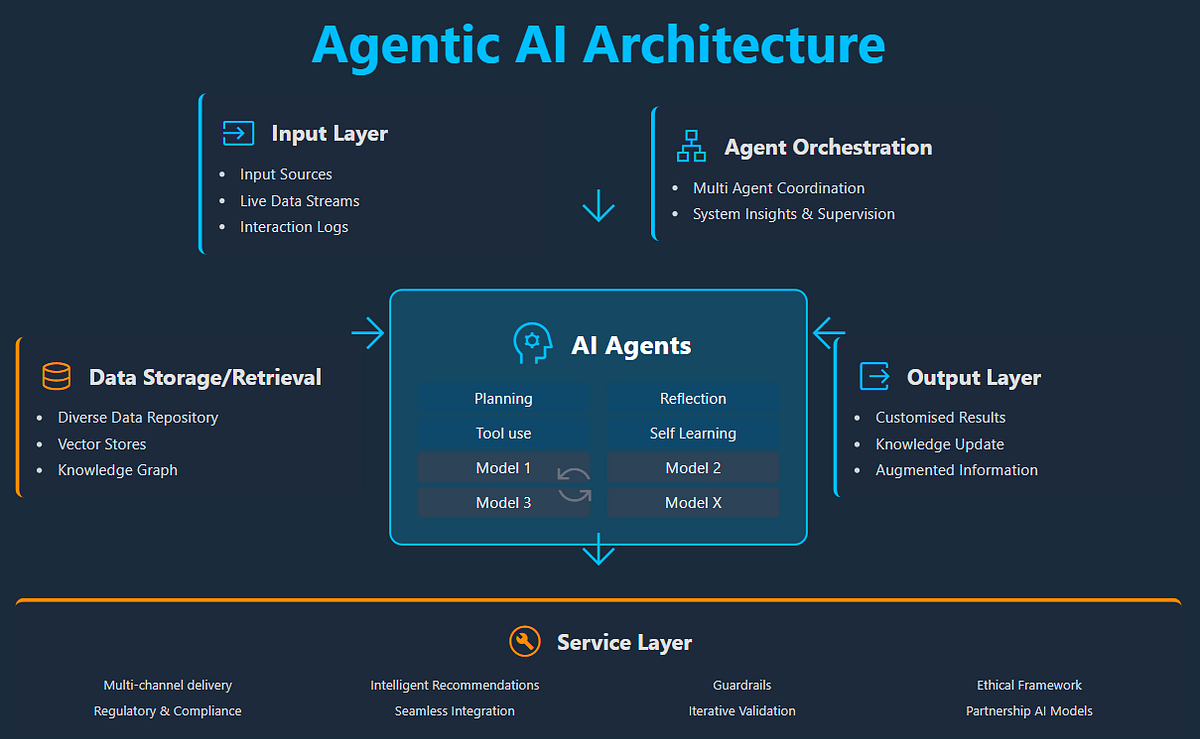
The best systems today are not fully agentic.
They are hybrid.
A practical example:
- Data ingestion → deterministic
- Data transformation → deterministic
- Business rules → deterministic
- Insight generation → agentic
This separation keeps things:
- fast
- reliable
- cost-efficient
And most importantly, maintainable.
Why This Matters More Than Ever
We’re at a stage where:
- tools are powerful
- frameworks are evolving fast
- and everyone is experimenting
That’s good.
But it also creates a bias toward complexity.
There’s a tendency to assume:
“More intelligence = better system”
That’s not true.
Sometimes, the best system is the one that:
- does less
- but does it reliably
Final Thoughts
Agentic AI is not a default architecture.
It’s a specialized tool.
Use it where:
- reasoning is required
- ambiguity exists
- rules are insufficient
Avoid it where:
- logic is clear
- workflows are stable
- outcomes are predictable
Because in the end, good engineering is not about using the most advanced approach.
It’s about using the right one.
[story continues]
tags