


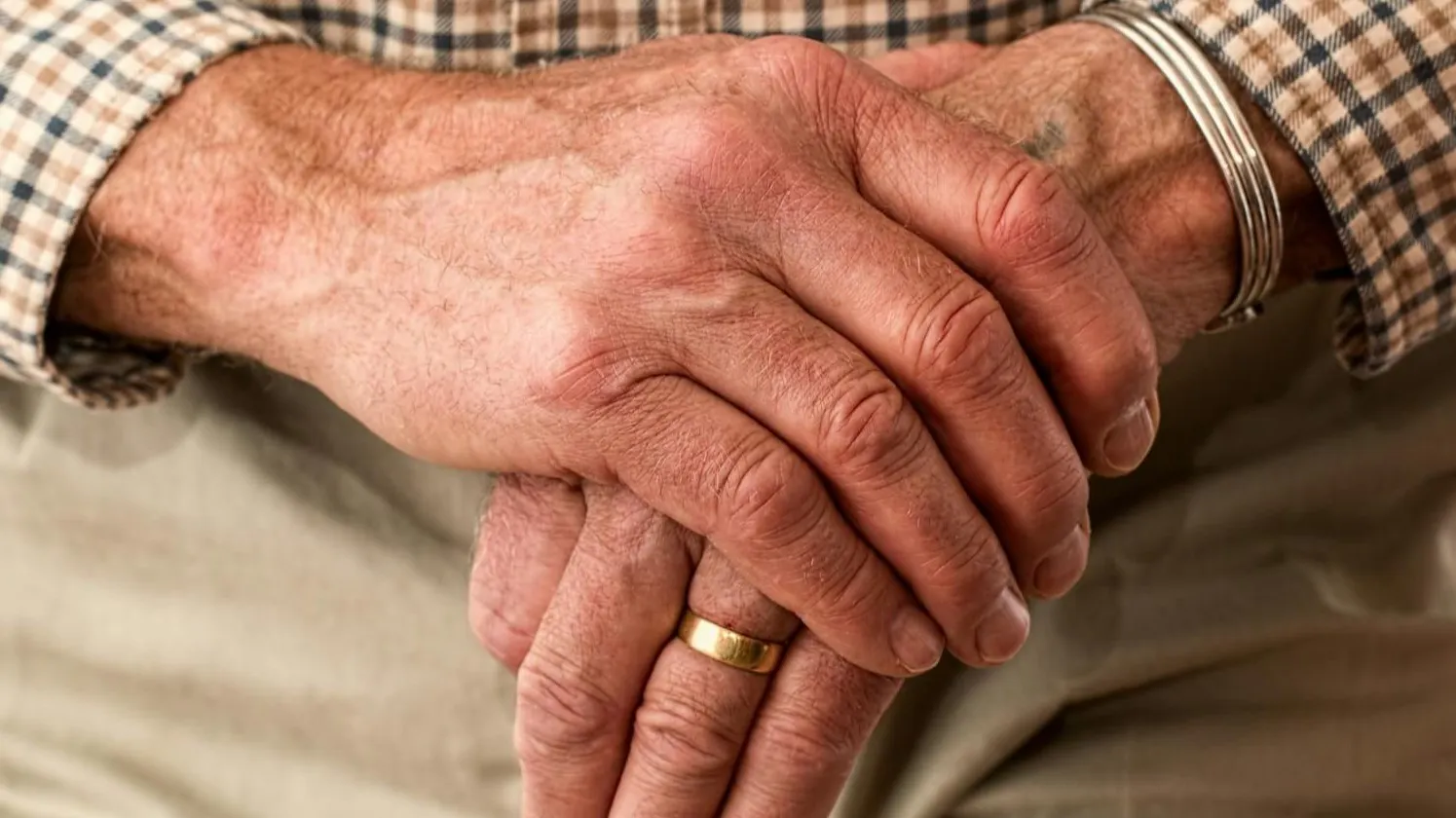
At 2:00 AM, your mother falls in the bathroom while you're asleep 20 miles away. Three months ago, your father had a dizzy spell in the garden and couldn't reach his phone. These moments happen faster than anyone expects, and the difference between quick help and a dangerous wait often comes down to one thing: whether someone can press a button.
Medical alert systems exist to close that gap. They connect seniors to trained emergency responders through wearable devices, bypassing the need to find a phone, remember a number, or hope someone hears a shout for help. For families navigating the tension between independence and safety, these systems offer a middle ground that keeps everyone breathing easier.
This guide walks through the top medical alert systems available in 2026, comparing features, pricing, and real-world performance to help you make a confident choice.
What's inside
You'll find detailed breakdowns of eight leading medical alert providers, covering in-home systems, mobile devices, and smartwatch options. We've compared pricing structures, evaluated fall detection accuracy, and highlighted what actual users report about response times and customer service quality.
The article also covers how to evaluate systems based on your specific needs, what to watch for in contracts and fees, and answers to the most common questions families ask when shopping for medical alert protection.
TL;DR
- Medical alert systems connect seniors to 24/7 emergency monitoring through wearable help buttons
- Pricing ranges from $24.95 to $64.95 per month, with most providers offering month-to-month contracts
- The top system for 2026 is Bay Alarm Medical
- Fall detection adds $10 to $15 per month but may miss up to 50% of actual falls depending on the provider
- Family-owned companies tend to prioritize customer service over cost-cutting compared to private equity-backed competitors
What is a medical alert system
A medical alert system connects you to emergency help through a wearable button, usually worn as a pendant or wristband. Press it during a fall, medical crisis, or moment of fear, and it connects you to a monitoring center where trained operators assess the situation and dispatch the appropriate response, whether that's calling 911, contacting family members, or simply talking you through a stressful moment.
These systems replace the need to locate your phone, dial a number, or hope you can communicate clearly during an emergency. The best systems work in the shower, in the yard, and anywhere within range of a base station or cellular network.
Types of medical alert systems
In-home systems use a base station plugged into your wall (either through a landline or cellular connection) and pair it with a wearable help button. The button has a range of 200 to 1,400 feet, depending on the model. When pressed, the base station's speaker allows two-way communication with the monitoring center.
Mobile systems skip the base station entirely. The wearable device includes its own cellular connection and GPS tracking, providing protection anywhere with cell coverage. These work well for active seniors who spend time outside the home but cost more per month than in-home options.
Smartwatch systems combine medical alert functionality with activity tracking, step counting, and sometimes medication reminders. They look less conspicuous than traditional pendants but typically have shorter battery life.
How medical alert monitoring works
When you press the help button, the signal goes to a monitoring center staffed 24/7 by trained operators. The operator can hear you through the device's two-way speaker and access your medical profile, emergency contacts, and location (for GPS-enabled devices). They'll assess whether you need emergency services, family notification, or just reassurance.
Response times vary by provider. The fastest systems connect you to an operator in 8 to 12 seconds. Slower providers take 20 to 30 seconds. Most monitoring centers are based in the United States, though some companies outsource to overseas call centers.
When to use a medical alert system
The decision to get a medical alert system usually happens after a close call. Someone has a dizzy spell, takes a bad fall, or experiences a moment where help wasn't immediately available. But waiting for a crisis isn't the only reason to consider these systems.
Medical alert systems make sense when mobility becomes unpredictable. If standing up sometimes causes lightheadedness, if balance isn't what it used to be, or if chronic conditions like diabetes or heart disease create sudden emergencies, a help button provides insurance against the worst-case scenario.
They're equally valuable for people living alone. The isolation itself creates risk. A fall in the bathroom at midnight becomes exponentially more dangerous when no one will check on you until the next afternoon. The system acts as a constant presence, someone always listening if you need them.
For family caregivers, these systems reduce the mental weight of constant worry. Instead of calling three times a day to verify everything's okay, you can monitor through apps that track activity and alert you to emergencies in real-time.
Best medical alert systems compared
Rank | Provider | Best For | Monthly Cost | Fall Detection | Standout Feature |
1 | Bay Alarm Medical | Overall value and reliability | • $27.95 • $64.95 | $10/mo | Family-owned, human-powered monitoring |
2 | MobileHelp | Budget-conscious couples | • $24.95 • $49.95 | • $5.50 • $11/mo | Two-person bundles |
3 | Lifeline | Brand recognition | • $29.95 • $49.95 | $15/mo | 50 years of industry experience |
4 | MedicalAlert.com | Basic protection | $27.95+ | $10/mo | Simple, straightforward systems |
5 | Medical Guardian | Fast response times | • $27.95 • $46.95 | $10/mo | 8-second average response |
Top 5 medical alert systems for 2026
I selected these systems based on real-world testing, user reviews, industry awards, and comparing how companies handle emergencies, customer service, and transparency around fees.
1. Bay Alarm Medical
Bay Alarm Medical earned PC Mag's Editors' Choice award for 2026 and topped rankings from SafeHome.org, SafeWise, and The Senior List. Unlike private equity-backed competitors focused on margins, this family-owned company built its reputation on consultative service and emergency response that relies on humans, not AI call centers.
Overview
The company offers four core systems: SOS Home (in-home cellular), SOS Mobile (on-the-go GPS), SOS Smartwatch, and SOS All-In-One 2 (pendant with built-in cellular). Pricing starts at $27.95 per month with no contracts, no hidden fees, and a 15-day risk-free trial. Fall detection adds $10 per month.
Key strengths
Response times average 8 to 12 seconds in independent testing, matching or beating competitors that charge significantly more. The monitoring centers are based in the United States with multilingual support in over 140 languages. Customer service availability runs 24/7, and the company maintains an A+ Better Business Bureau rating with over 18,000 Google reviews.
The Care Connect app gives family members real-time alerts when the help button is pressed, tracks location for GPS-enabled devices, and monitors device battery status. Unlike systems that charge extra for caregiver features, Bay Alarm includes this at no additional cost.
Summary
Best for: Families who want affordable monitoring backed by a company that won't cut corners to please investors
Pros:
- Family-owned with no private equity pressure to reduce service quality
- Industry-leading response times without premium pricing
- Free caregiver app with real-time emergency notifications
- No contracts or cancellation fees
Cons:
- Equipment fees range from $0 to $199 depending on the system
- Fall detection costs extra (industry standard)
2. MobileHelp
MobileHelp focuses on budget-friendly pricing and discounted bundles for couples who both need monitoring. For families managing costs on fixed incomes, the company offers reliable protection without premium pricing.
Overview
The Classic Cellular in-home system costs $24.95 per month, and the Solo mobile device runs $39.95 per month. MobileHelp's key differentiator is the Duo Bundle, which provides two mobile devices for $49.95 per month instead of charging per person. Fall detection adds $5.50 to $11 per month depending on the system.
Key strengths
The Classic system offers a 600 to 1,400-foot range from the base station, among the wider ranges in the category. Setup takes minutes without professional installation. The MobileHelp Connect app provides GPS tracking, geofencing alerts, and activity monitoring for caregivers.
Summary
Best for: Couples needing monitoring on a budget
Pros:
- Lowest monthly pricing for mobile systems
- Two-person bundles significantly reduce per-person costs
- No contracts or activation fees
- Solid range for in-home systems
Cons:
- Users report cancellation difficulties with unexpected charges if equipment returns arrive late
- Some complaints about aggressive telemarketing scams falsely claiming to represent MobileHelp
- Tested range fell short of advertised 1,400-foot maximum in real-world conditions
Real user feedback
Reviews consistently praise affordability and ease of setup. However, multiple customers report billing issues after cancellation, with the company charging for additional billing cycles if equipment isn't returned before the next payment date. One user reported a $550 charge appearing a year after canceling, requiring bank intervention to resolve.
3. Lifeline
Lifeline (formerly Philips Lifeline) holds nearly 50 years of history in the medical alert industry. For families who prioritize institutional reliability and proven track records over cutting-edge features, that longevity carries weight.
Overview
HomeSafe systems cost $29.95 per month for landline and $39.95 for cellular, plus a $99.95 setup fee. The GoSafe 2 mobile option runs $49.95 per month with advanced location tracking using five different technologies including GPS, Wi-Fi, and audio beaconing. Fall detection adds $15 per month, the highest rate among major competitors.
Key strengths
Response times average 12 seconds, among the faster systems tested. The My Lifeline caregiver app offers real-time notifications and device status monitoring. Professional in-home installation is available for seniors uncomfortable with self-setup, though it costs extra.
Connect America, which owns both Lifeline and Medical Alert, operates U.S.-based monitoring centers with support in over 140 languages.
Summary
Best for: Families valuing established brand history
Pros:
- Nearly 50 years of operating history
- Fast 12-second average response times
- Optional professional installation
- A+ Better Business Bureau rating
Cons:
- Fall detection at $15/month costs 50% more than most competitors
- Testing showed fall detection missed approximately 50% of simulated falls
- $99.95 setup fee adds to first-month costs
- Higher monthly pricing than budget alternatives
Real user feedback
Most users appreciate responsive monitoring and helpful customer service staff. However, specific billing complaints surface repeatedly. One customer whose mother passed away before the system was ever activated fought for weeks to receive a refund despite returning unopened equipment with tracking confirmation. The company acknowledged receipt but delayed the refund repeatedly, requiring multiple phone calls to resolve.
4. MedicalAlert.com
MedicalAlert.com provides straightforward medical alert systems without extensive feature sets. The company markets itself as simple and reliable, appealing to seniors who want basic protection without learning complicated devices.
Overview
The Home Landline system costs $27.95 per month, while the Home Cellular system runs $27.95 per month. Mobile systems range from $37.95 to $47.95 monthly. A one-time equipment fee applies to all systems. Fall detection adds $10 per month.
Key strengths
Setup earned high marks for simplicity across multiple reviews. The basic systems include waterproof help buttons that can be worn as pendants or wristbands. The Medical Alert Connect app provides caregivers with emergency notifications and activity monitoring.
Summary
Best for: Seniors wanting basic, no-frills protection
Pros:
- Simple setup process
- No long-term contracts
- Waterproof help buttons
- Medical Alert Connect app for caregivers
Cons:
- In-home range tested at only 200 feet (far below the advertised 800 feet)
- Outsourced customer service often unable to resolve billing issues
- Multiple users report unauthorized charges months after cancellation
- $35 restocking fees on faulty equipment returns
- Predatory billing practices in user reviews
Real user feedback
Trustpilot reviews paint a troubling picture. Multiple users report customer service representatives reading from scripts with no ability to solve problems or escalate issues. Several customers describe being charged for equipment they never authorized, then fighting for months to get refunds. One reviewer called the customer support "outsourced to the Philippines" with agents "not empowered to resolve problems." Another stated the company "uses predatory sales practices" and recommended others avoid them entirely.
5. Medical Guardian
Medical Guardian delivers the fastest verified response times in the industry, averaging 8 seconds to connect users with monitoring center operators. The company offers five different systems, ranging from basic in-home units to cellular-enabled smartwatches.
Overview
The MGHome Cellular system ($37.95/month + $149.95 equipment fee) provides a 1,400-foot detection range, the widest tested. The MGMini Lite mobile device weighs just 0.7 ounces, lighter than most pendants, with step tracking and medication reminders. Fall detection runs $10 per month across all systems.
Key strengths
Response time testing by multiple independent reviewers confirmed 8-second average connections, faster than any competitor including Bay Alarm Medical. The MyGuardian app provides sophisticated caregiver features including activity tracking, medication reminders, and emergency notifications.
Medical Guardian earned top rankings from NCOA, which gave it a 9.9 out of 10 score, and SafeWise recognized it for GPS tracking capability.
Summary
Best for: Seniors prioritizing absolute fastest emergency response
Pros:
- Fastest response times across the industry
- Five system options including smartwatch and ultra-light mobile
- Sophisticated caregiver app features
- 1,400-foot in-home range (industry-leading)
Cons:
- Equipment fees add $149 to $199 upfront cost
- Monthly pricing sits above budget competitors
- Some users report battery life issues with mobile devices
- Limited customer service responsiveness in isolated complaints
Real user feedback
The majority of reviews highlight fast-response and helpful monitoring agents. However, BBB complaints show recurring issues with equipment quality, including devices that won't hold a charge and missing advertised features. One customer reported waiting three months for a partial refund after returning faulty equipment, with the company withholding a $35 restocking fee for their own defective product.
How to choose the right medical alert system in 2026
Start by identifying whether you need in-home protection only or coverage on the go. If you rarely leave home, an in-home system with a 600-foot range covers most houses and yards at half the cost of mobile systems. Active seniors who drive, walk, or visit friends need mobile GPS-enabled devices.
Budget considerations
Monthly fees range from $24.95 to $64.95. Equipment fees add $0 to $199 upfront. Fall detection costs an extra $5.50 to $15 per month. Calculate total first-year costs including equipment, activation, and monthly fees before comparing.
When providers like Bay Alarm Medical offer systems starting at $27.95 per month with free caregiver apps and no contract, you're getting consultative service from a company not accountable to private equity investors focused on quarterly returns.
Response time verification
Claims about response times vary widely. Look for independent testing from reviewers who pressed the button and timed the wait. Eight to twelve seconds represents best-in-class. Anything over 20 seconds should raise questions.
Fall detection accuracy
Automatic fall detection sounds valuable but the technology remains inconsistent. Testing shows even top systems miss 30% to 50% of falls depending on how you land. If you can press a button after falling, you're better served by a system with excellent response times than one with mediocre fall detection.
Company ownership matters
Family-owned companies like Bay Alarm Medical answer to customers and long-term reputation. Private equity-backed competitors answer to investors demanding margin improvements, which often means reducing call center quality, outsourcing support, or adding hidden fees. The difference shows up in how they handle problems after the sale.
Frequently asked questions about medical alert systems
What is a medical alert system and how does it work?
A medical alert system connects you to emergency help through a wearable button. Press it, and you'll reach trained operators 24/7 who can assess your situation, call 911, contact family, or provide reassurance. Systems like those from Bay Alarm Medical use U.S.-based monitoring centers with human operators, not AI automation, ensuring you speak with someone experienced in emergency response.
Who should use a medical alert system?
Anyone living alone with unpredictable mobility, chronic conditions like diabetes or heart disease, or a history of falls benefits from medical alert protection. Even healthy seniors appreciate the peace of mind knowing help is one button press away. Family caregivers gain the ability to monitor remotely without constant check-in calls.
What's the difference between in-home and mobile medical alert systems?
In-home systems use a base station plugged into your wall and a wearable help button with a range of 200 to 1,400 feet. They cost less per month but only work within that range. Mobile systems have built-in cellular connections and GPS tracking, providing nationwide coverage for active seniors. Companies like Bay Alarm Medical offer both options depending on your lifestyle.
How much do medical alert systems cost per month?
Monthly fees range from $24.95 for basic in-home systems to $64.95 for mobile devices with fall detection. Bay Alarm Medical starts at $27.95 per month with no contracts, while competitors charge similar rates but may add activation fees, equipment charges, or require annual commitments. Fall detection typically adds $10 to $15 per month across providers.
Do medical alert systems require a contract?
Most major providers now offer month-to-month service with no long-term contracts. Bay Alarm Medical, Medical Guardian, and MobileHelp all allow cancellation anytime. Some companies offer discounts for annual prepayment but monthly plans remain the most flexible option for families unsure about long-term needs.
What is automatic fall detection and is it worth it?
Automatic fall detection uses sensors to detect sudden movements consistent with falling. When triggered, it automatically alerts the monitoring center even if you can't press the button. However, testing shows systems miss 30% to 50% of actual falls depending on how and where you land. Systems from Bay Alarm Medical add fall detection for $10 per month, which provides valuable backup protection but shouldn't replace a wearable help button you can press manually.
This story was published by Steve Beyatte under HackerNoon's Business Blogging Program.