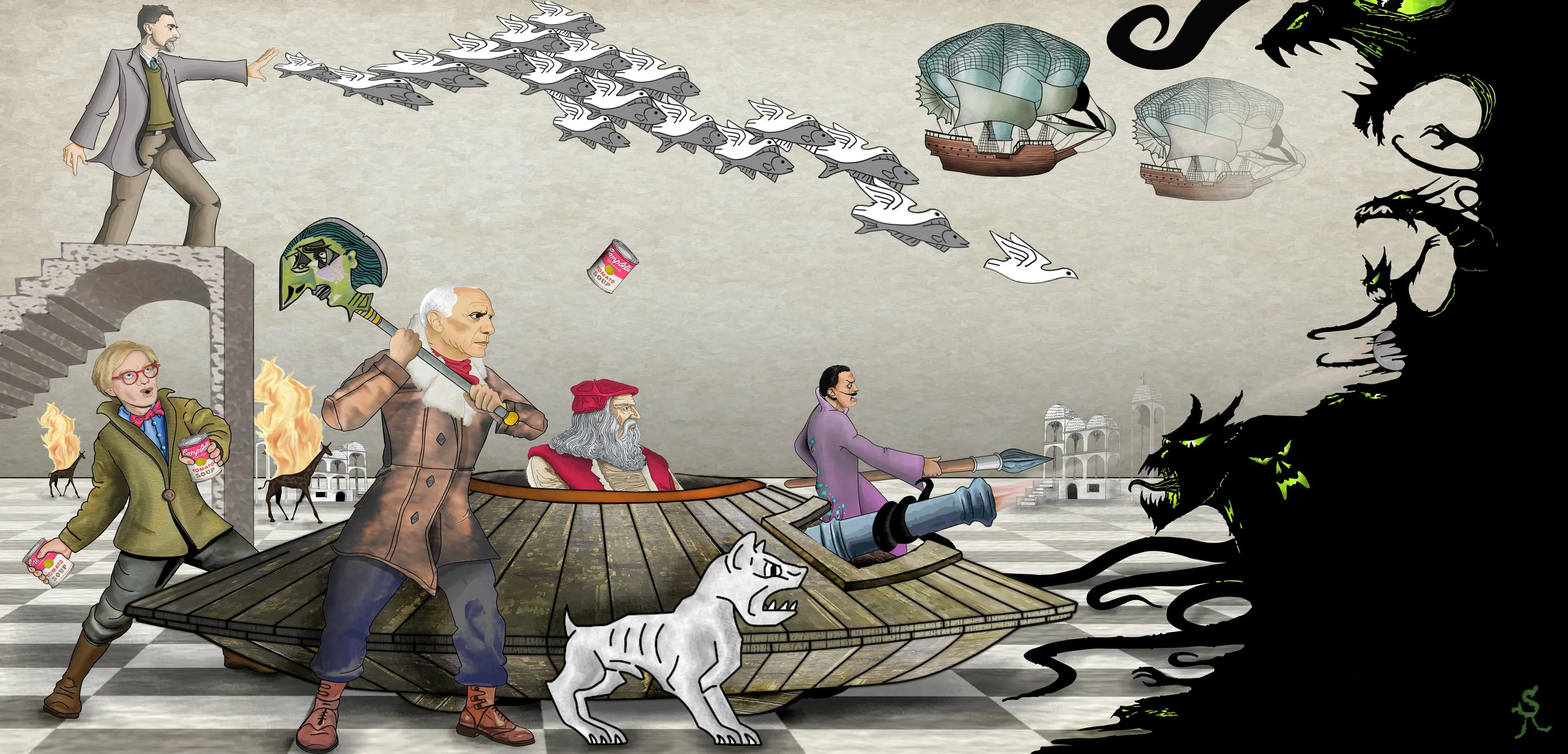
In the past years, we have seen the rise of "AI", but to be clear, it is not really an intelligence but adaptive programming. As a creative, I find some features of AI useful. I will never use AI to write or create art for me or publish its work as my own. But here are some ethical ways I use AI: doing research, pressure testing an idea, spotting mistakes in writing, evaluating a project, and using it as a learning tool to sharpen my skills. While I use AI as an assistant for my projects, the biggest problem I have with it is that it is constantly trying to do things for me rather than help me do things for myself.
There is this illusion that AI is a substitute for actual skill, and the industry is perpetuating that myth. If you want to be a writer or artist but lack the technical proficiency, then let AI do it for you and claim the credit. The problem is that AI is not and will never be a substitute for genuine craftsmanship. However, when people think that it is a universal key, it will always prove inadequate.
In 2025 and 2026, there were several cases of lawyers who had AI write briefs for them that they submitted to the court. The filings were full of cases, quotes, and statutes that simply don’t exist. Judges caught it immediately, sanctioned them, and fined them. In one DOJ attorney’s case, he was fired for submitting AI work. This is the consequence of deluding oneself that AI can solve all your problems, and this is not limited to the legal profession.
The Counterfeit Commodity: Why regulation is needed for AI.
The problem with AI is not merely a technical issue, but an ethical one. The market is currently functioning as a dark pool for counterfeit labor, driven by people who refuse to disclose their methods. This has the effect of displacing and devaluing actual creatives who have spent years on their craft.
If you buy a can of soup, you expect an ingredient list. If you buy a sleeping bag, you expect a materials tag. There is a baseline expectation of material disclosure in every commercial exchange. Yet, the digital art and publishing markets are currently flooded with vendors selling AI-generated products without telling the buyer.
Selling an AI-generated image as "original art" is a lie of omission. It is the equivalent of selling an "Ivory carving" for cheap, only for the buyer to realize it was carved out of a bar of Ivory soap. The seller might claim they didn't technically lie, but they exploited the buyer's assumption of value, material, and labor. Dishonesty is dishonesty.
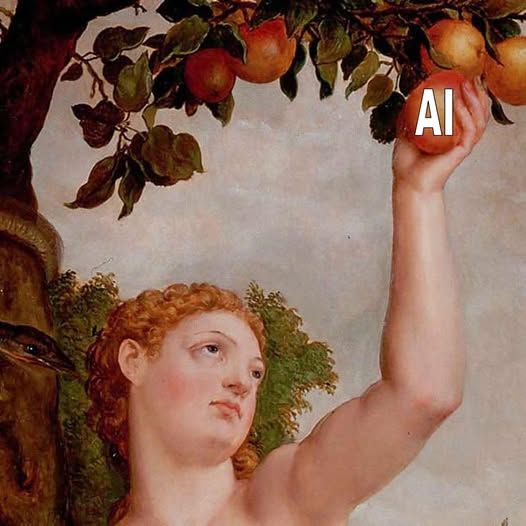
The Plumber Fallacy
There is a fundamental difference between an artist and an art director. Those who use AI to generate art or write their books are pretenders claiming the title of the former while doing the job of the latter.
Writing a prompt is an act of delegation. For someone to call themselves an artist or a writer because they typed instructions into a machine is like me calling myself a master plumber because I successfully dialed a plumber's phone number. AI can be a highly effective tool for some things, but when it is used to entirely replace the human process of creation, there is a human cost.
The Erasure of Human Expression
This lack of transparency and the false equivalence between "generating an image" and "creating art" is causing systemic damage to human expression. The collateral damage is not just lost commissions; it is the chilling effect on the next generation.
While scrolling on Threads, I saw a post from a ten-year-old girl. She wrote: "I am going to give up on art, but I still won't use AI." Looking at her profile, it was obvious she loved to draw, but she had fundamentally concluded that her art was pointless.
This is the true cost of the AI flood. Society is inadvertently teaching emerging creatives that the final, rendered product is all that matters. If a machine can spit out a photorealistic dragon in three seconds, the human developmental struggle appears obsolete to a child.
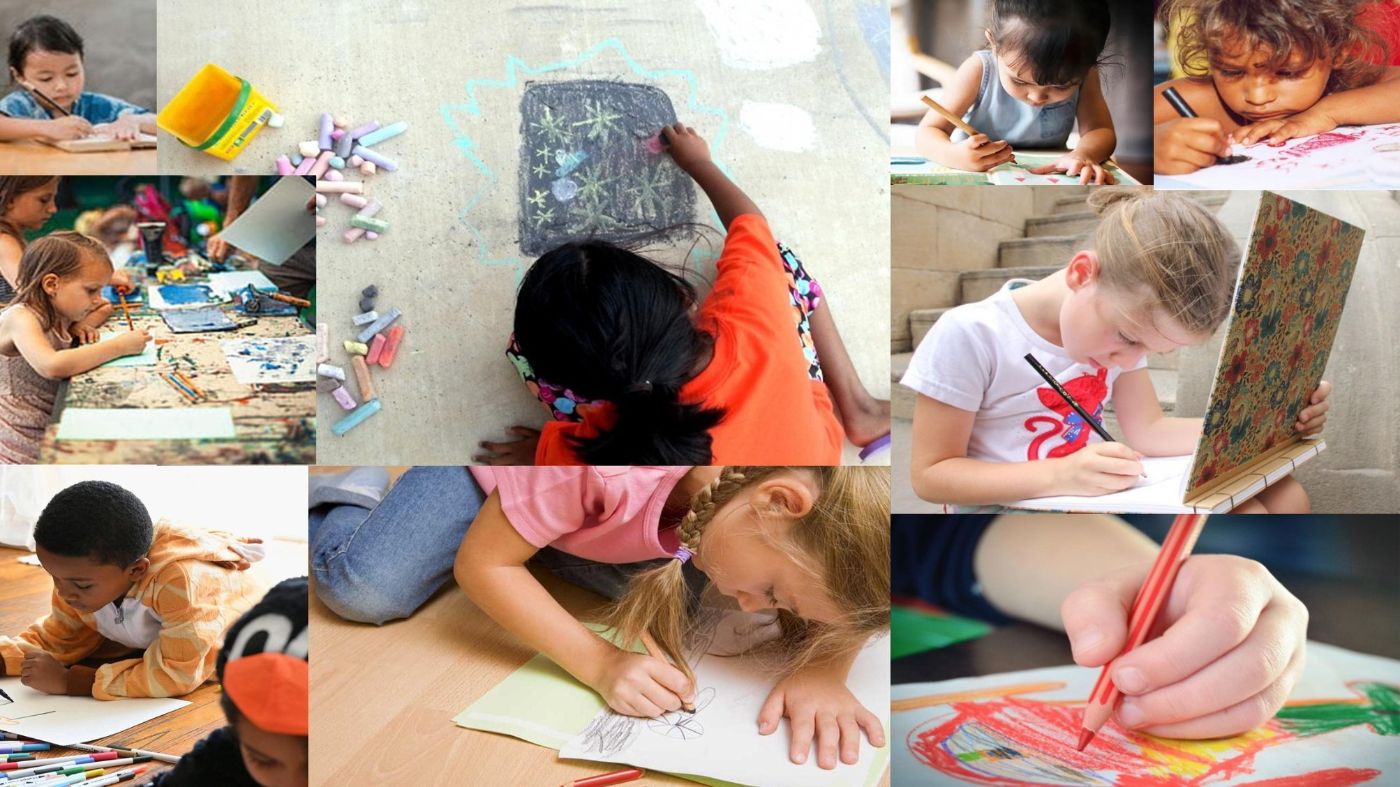
Art is not pointless. It has been the primary form of human expression since we first dragged charcoal across cave walls. If we outsource that expression to an algorithm, it ceases to be human expression. It is just a statistical echo. Until platforms and vendors are forced to apply a mandatory "Made with AI" label—giving consumers the transparent choice to opt out of synthetic media—true creatives will continue to be marginalized, and we will lose the ten-year-olds who are currently putting down their pencils.
Where does that leave us?
Because we cannot expect honesty from the individuals and corporations peddling AI-generated content, and the government has failed to regulate it, the burden of proof has unjustly fallen on the consumer.
In the following articles, I will be exploring the current market for AI detection. What tools exist to check for AI, and more importantly, how effective are they when put under pressure? These will be personal experiments, and the findings will be based on my observations. This will not be a formal peer-reviewed study, and I encourage others to try things themselves and reach their own conclusions.
Next: The AI Illusion (Part 2): The AI Detection Mirage
[story continues]
tags