
Cloud security marketing loves simple phrases. “Shared Responsibility” is one of the most popular and one of the most misleading. If you’ve worked with cloud platforms like Amazon Web Services, Microsoft Azure, or Google Cloud Platform, you’ve seen the same diagram:
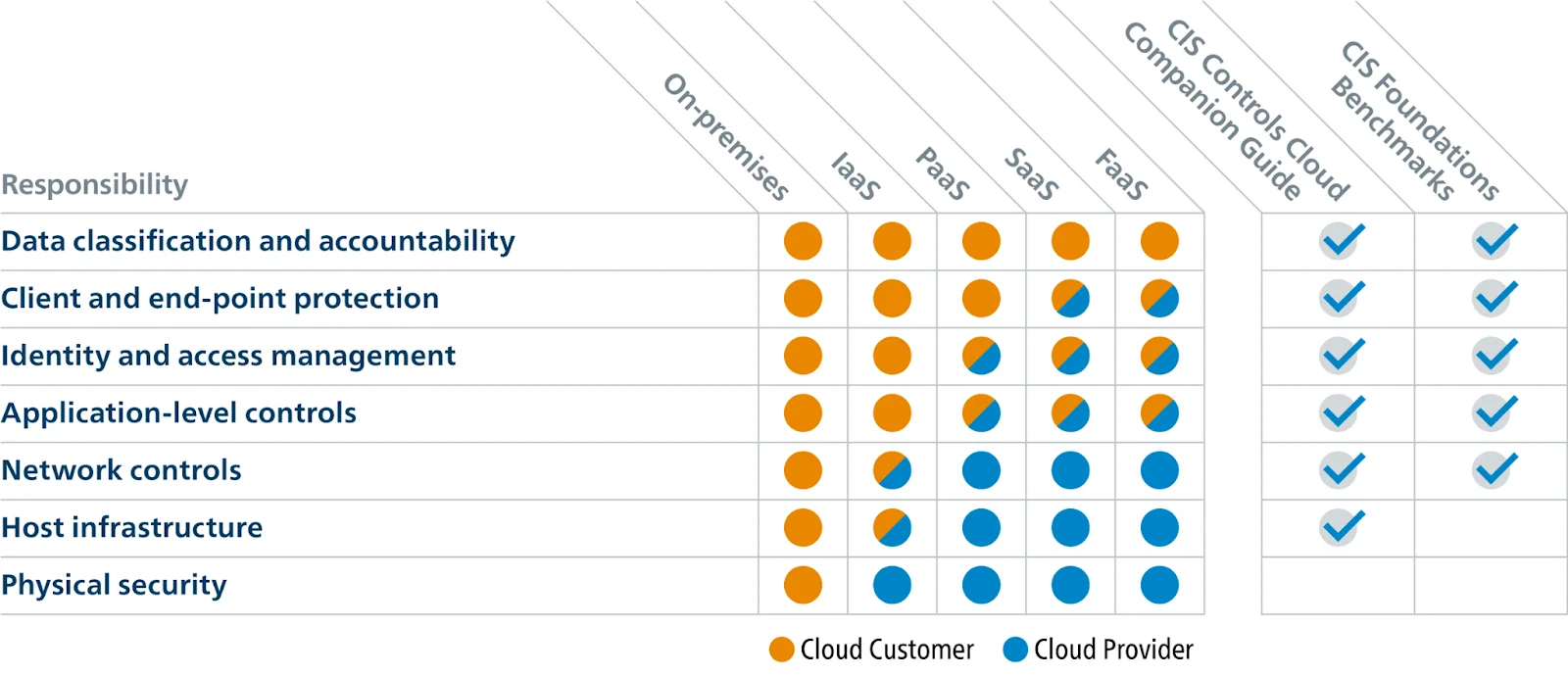
The provider secures the cloud, and the customer secures what’s in the cloud. It sounds reasonable. In practice, it creates confusion, false confidence, and avoidable breaches.
The Promise of “Shared Responsibility”
The model is meant to clarify who does what:
- Cloud providers handle physical data centers, hardware, and core infrastructure
- Customers handle applications, configurations, identities, and data
On paper, this division looks clean.
In real systems, it’s anything but.
1. The Responsibility Line Is Not Clear Rather It’s Abstract
Most cloud services are managed services. You don’t build them but instead you configure them.
Take identity management as an example:
- The provider builds IAM.
- You write the policies.
- The system is powerful, flexible and easy to misuse.
When a breach happens due to an overly permissive role, the shared responsibility model offers no useful answer. It doesn’t explain how to stay safe, it only explains who gets blamed.
2. “Shared” Encourages Risk Offloading
The word shared subtly suggests that someone else is also responsible.
That assumption changes behaviour. Teams begin trusting insecure defaults. Managed services are assumed to be secure by design. Threat modelling is skipped because the provider “already thought about it”. Most cloud breaches don’t happen because the provider failed. They happen because customers misunderstood what they owned, and the cloud rarely forgives that confusion.
3. The Model Downplays Identity - The Real Attack Surface
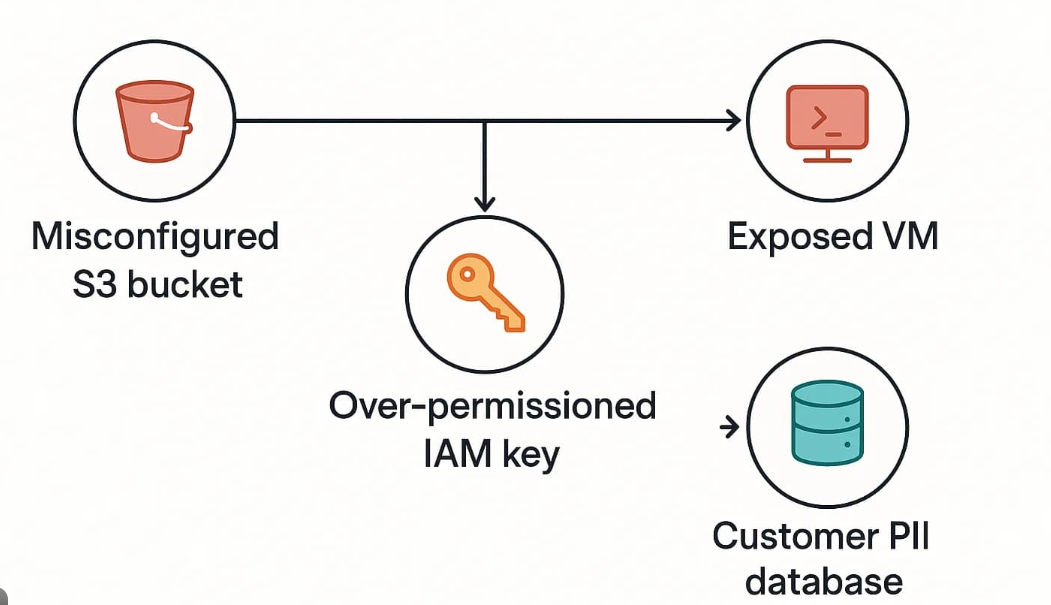
In modern cloud environments, traditional perimeters are weak. Infrastructure is transient. Identity becomes the center of everything. Most real-world cloud incidents involve over-permissive IAM roles, leaked API keys, or excessive trust between services. Once identity is compromised, attackers rarely need sophisticated exploits to move further. Yet the shared responsibility model treats identity as just another checkbox under customer responsibility, without emphasising that it is the core security boundary.
4. “Shared Responsibility” Is a Legal Model, Not a Security One
This is the uncomfortable truth.
The model exists to define liability, limit provider responsibility, and set contractual expectations. It was never designed to teach engineers how to secure systems. That’s why organisations can pass compliance audits, follow the shared responsibility model exactly, and still suffer catastrophic breaches.
5. A Better Mental Model: Control Equals Responsibility
Instead of asking “Who shares responsibility?”, ask a simpler question: What do I control?
If you can configure it, automate it, or deploy it, you own the risk that comes with it.
What you control determines what you are responsible for, whether the diagram acknowledges it or not.
6. Why This Confusion Persists
Cloud platforms evolve faster than the mental models used to explain them. The shared responsibility model is easy to explain and looks good in diagrams, but it fails under real-world complexity. Security doesn’t fail because teams ignore responsibility, it fails because responsibility is poorly communicated.
7. The Real Lesson
Cloud security isn’t confusing because it’s new. It’s confusing because the most common model used to explain it is oversimplified. If cloud security feels harder than it should, it’s probably not because you’re missing tools. It’s because you’re using the wrong mental framework.
My Final Thought
The shared responsibility model doesn’t teach security. It teaches boundaries of blame. If you can configure it, automate it, or deploy it, it’s your responsibility, whether the accepted-standard says so or not.
[story continues]
tags