
status: Broadcasting
signal origin: Unknown subnet
mission: To test whether a human can fork a civilization
Fine.
My question is simpler and louder: how soon until a single person boots a state?
Yesterday, you needed a floor of “rockstar hires” to ship.
Today, you need agents.
Yesterday, you needed a bank to mint an economy.
Today, you need a contract, a meme, and 10 minutes.
And no, a “state” isn’t a currency or Discord with better branding.
A state is the technology of agreement at scale – identity, decisions, budget, diplomacy.
But here’s the twist: small, well-wired groups negotiate and act together better than empires.
What happens when we turn hundreds of such groups into thousands?
What happens when you and I hold membership in ten micro-nations at once — braided by incentives to cooperate rather than collide?
Personal OS → Founder OS → Civic OS
(Or: how to scale your intent until it governs cities)
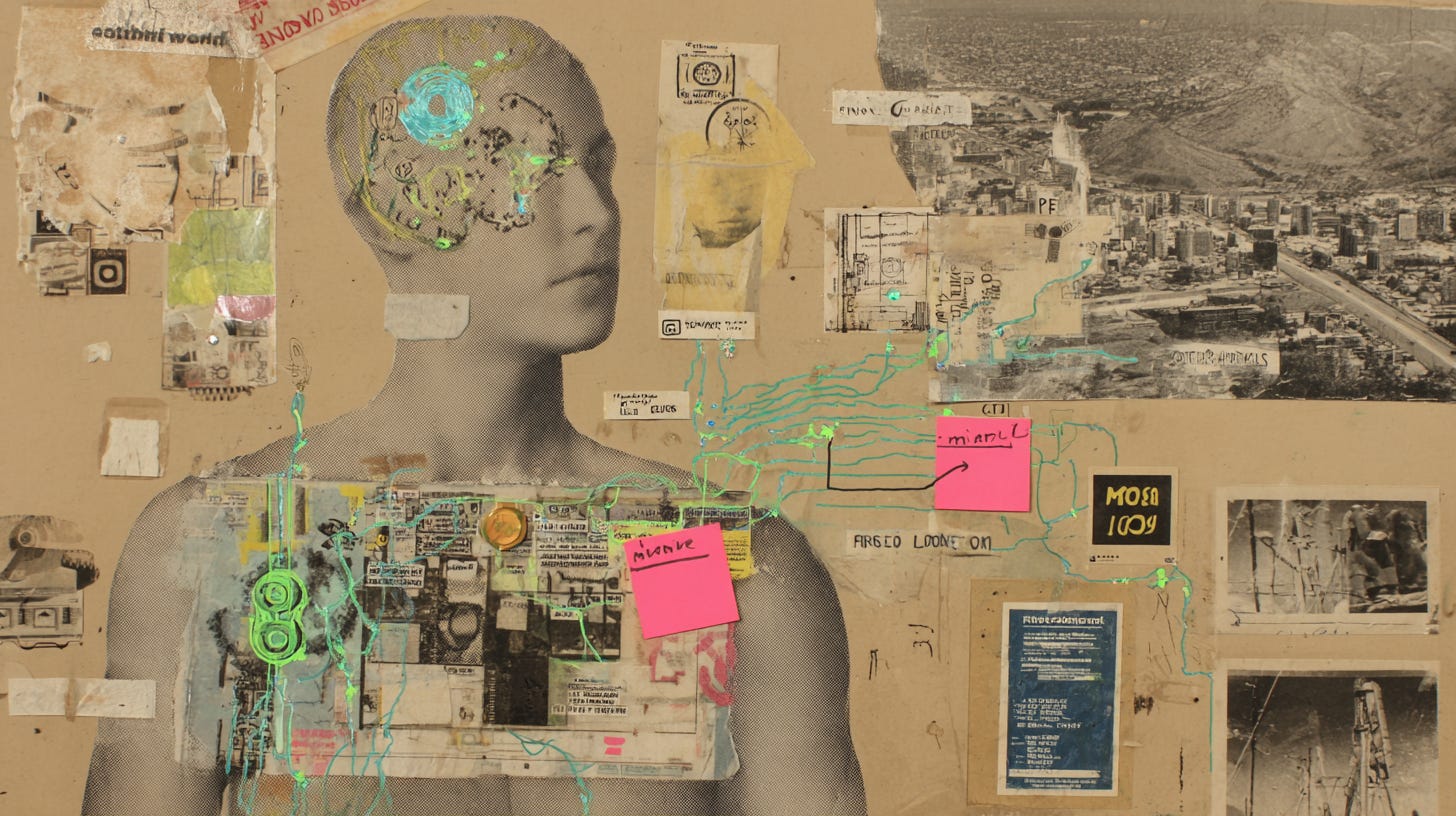
Founder OS: the same loop, shared — cadence, roles, playbooks, kill-rules.
Civic OS: add legitimacy rails — decentralized identity (DID), private verifiable voting, a public treasury, and an interface to the outside world.
Over the last few months, I’ve run Thursday events about Personal/Founder OS (mostly in Russian; one deep dive in English on how cyber•Fund and ULTRA.VC are building operating systems for startup investing).
- Therapy-loop bots. A founder built a private agent that syncs between sessions — captures triggers, aligns goals, and proposes three micro-commitments each morning. It’s not “AI replacing you.” It’s AI pinning your constitution to reality so your 11 pm self doesn’t overwrite your 7 am self with a croissant and an excuse.
- Cursor-first teams (~20 people). Not Google Docs. Not manager memory. Truth lives in transcripts, repos, SOPs-as-code, and rules that auto-kill zombie tasks at Day 7. The result: a shared pulse — one context that anyone can extend without tearing it apart //github

AI becomes an extension of intent.
The next step: run it on your own keys, your own review gates — your sovereign plumbing.
When a company outgrows the founder’s bandwidth, promote it to a community.
Keep the same loop, add identity and a treasury, then start doing diplomacy — with other communities, with cities, with SEZs.
Wormholes, not walls.
Why OS Beats “Traditional Management”
They built pyramids out of meetings, thinking stability came from height.
We build loops, not layers — rhythm instead of ranks.
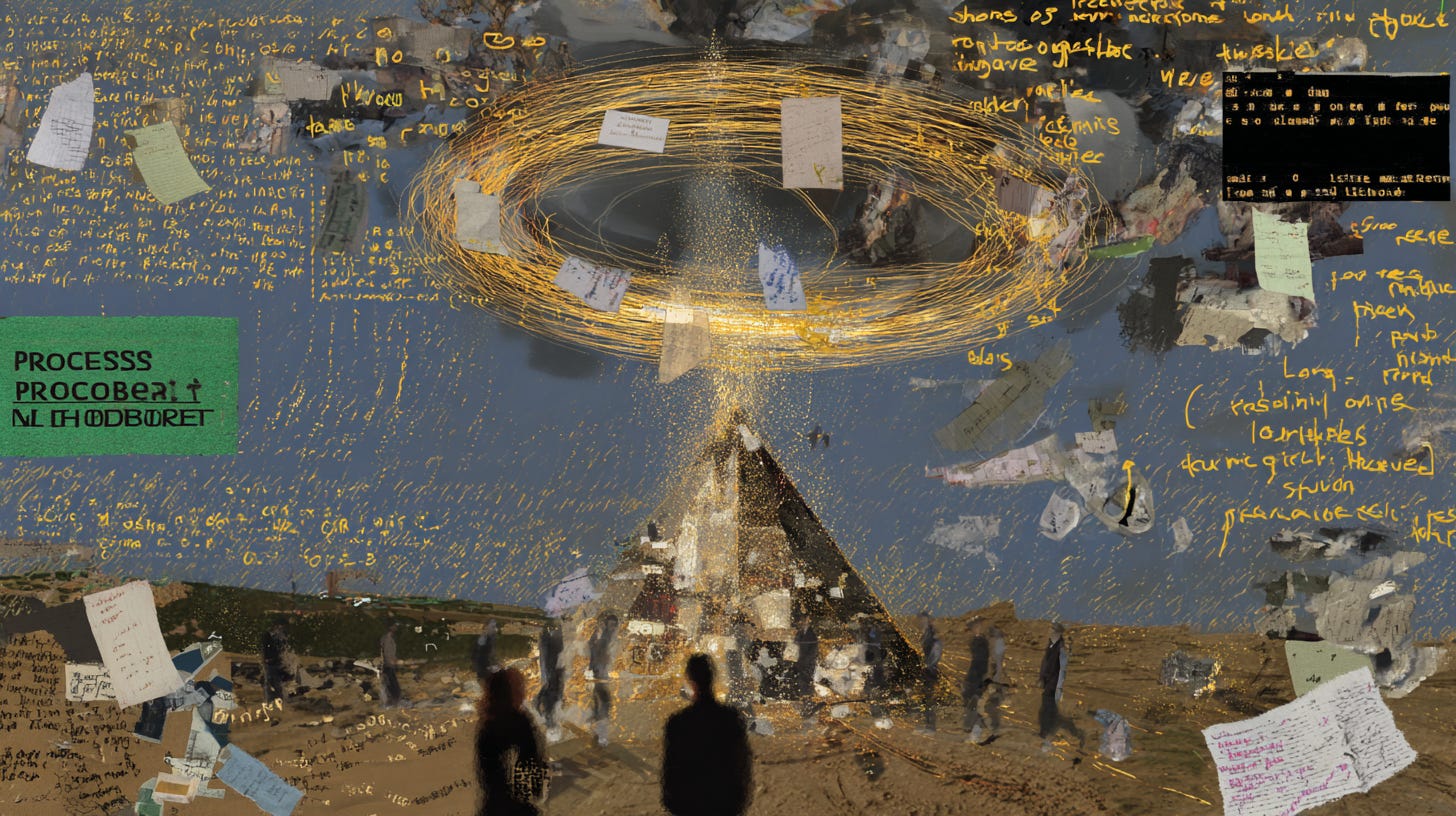
The hierarchy burns; the protocol remains.
Because people shouldn’t hold the process up — the process should hold the people steady.
Measure the friction you can feel:
fewer context switches (Personal), fewer handoff errors (Founder), fewer decisions without receipts (Civic).
If those three numbers fall week over week — your OS is working.
If they don’t – it’s just a mood board.
You already know what comes next.
Write your Personal Constitution.
Define what you optimize for, what you refuse, and the three rituals that keep you sane.
That’s your first executable myth – your Personal OS coming online.

[story continues]
tags