


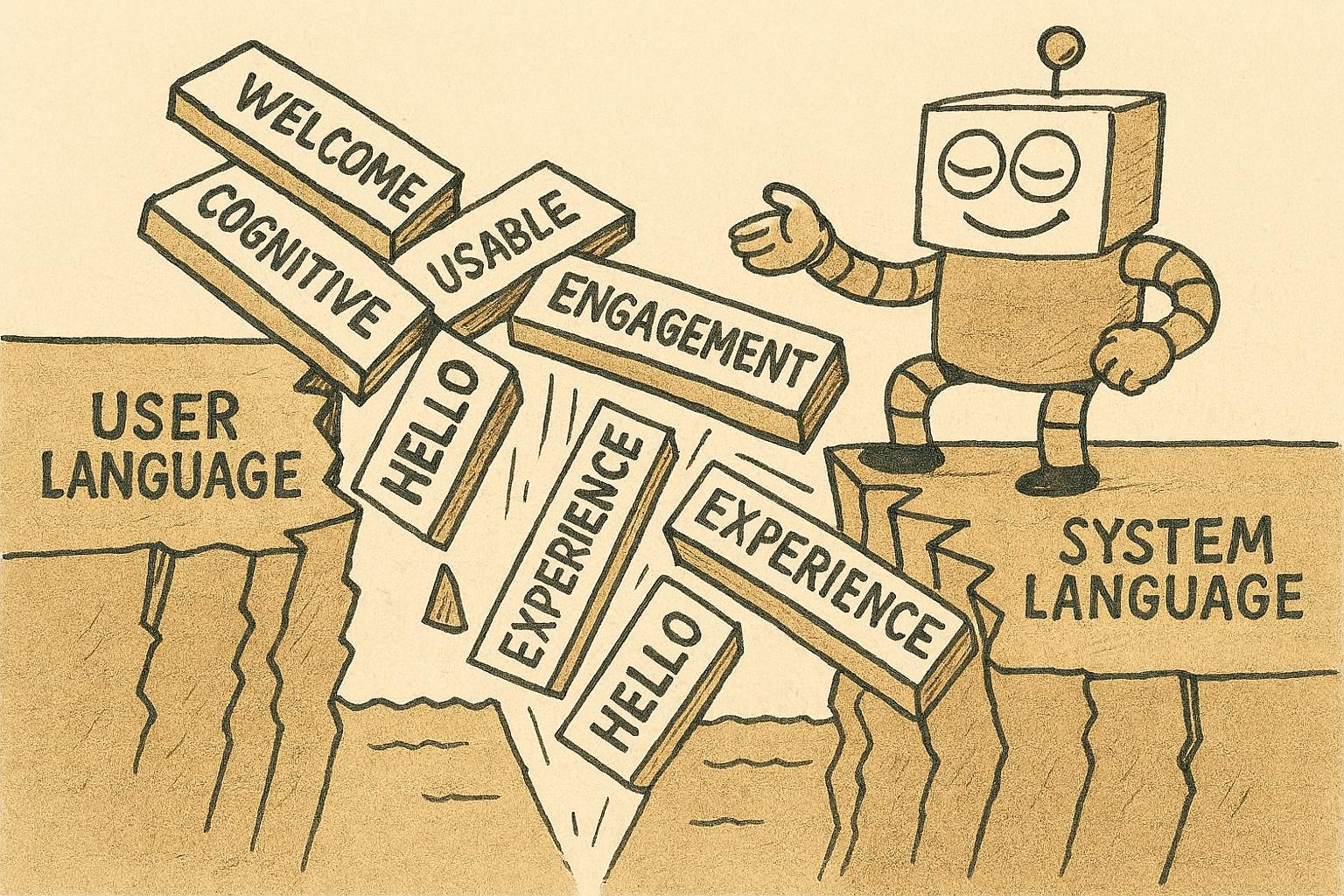
How small shifts in phrasing reveal whether an agent understands intent or only echoes words.
Before an agent retrieves anything, it has to do something quieter and harder: understand what the user meant. I think of this early stage as a semantic checkpoint — the first place where meaning can drift, and the easiest place to detect whether it already has.
And nothing exposes that drift more reliably than a simple, almost childlike question:
What happens when two people ask the same thing in different words?
Paraphrases aren’t just linguistic decoration. They are stress loads — small shifts that reveal structural weaknesses.
That single idea has become the most revealing diagnostic in my entire project.
Why This Test Matters More Than It Looks
Most evaluation frameworks chase accuracy. Accuracy is comforting — it gives you dashboards, metrics, the illusion of solidity. But accuracy can hide instability.
A system can be “right” today and wrong tomorrow simply because the user phrased the question differently. That’s not intelligence. That’s fragility.
Stress loads expose what accuracy hides.
If two ways of asking lead to two different truths, the system isn’t aligned — it’s guessing. And guesswork at the foundation contaminates everything built on top of it.
The Ambiguity Stress Test asks a deeper question:
Does the system hold its shape when the language changes?
Paraphrases as a Diagnostic Tool
Paraphrases are not optional flourishes. They are the natural variability of human speech — and the smallest, cleanest way to apply pressure to a system’s understanding.
A robust retrieval layer should treat paraphrases like different paths leading to the same destination. If the destination changes, something fundamental is off.
A system that changes its mind when the words change never understood the question.
This is why paraphrases make such a powerful diagnostic: they reveal the gap between surface fluency and semantic stability. They show whether the system is grounded in meaning or merely echoes patterns.
What the Test Actually Measures
Intent Stability
Does the system preserve meaning across phrasing, or does intent warp under pressure?
Retrieval Alignment
Do different wordings lead to the same supporting context, or does the retriever drift?
Vocabulary Coverage
Does the system recognize synonyms, domain terms, and natural variation — or does it collapse when the wording shifts?
Downstream Trust
If retrieval bends, the answer bends. And users feel that bend immediately.
This test isn’t about catching errors. It’s about revealing the system’s shape.
Why This Test Belongs at the Very Start
This is the earliest moment where meaning can drift — and the easiest moment to detect it.
Before prompts. Before reasoning. Before fallback logic.
If the foundation bends here, everything above it inherits the bend.
Stress loads applied early tell you whether the structure is sound. If meaning shifts when wording shifts, your retrieval never understood the intent.
The Ambiguity Stress Test is a way of asking: Is the system grounded in meaning, or is it already sliding toward guesswork?
A Diagnostic, Not a Judgment
This test isn’t about blaming the model or the retriever. It’s about understanding the system’s behavior under natural variation.
When the system answers differently to the same intent, it’s telling you something important:
- The glossary is incomplete
- The embeddings don’t capture domain meaning
- The retriever is too literal
- The normalization layer is drifting
These are solvable problems — but only if you see them.
Stress loads don’t break the system. They reveal where it was already cracked.
In the End
The Ambiguity Stress Test is only one of the quiet checkpoints an early‑stage agent must pass. Two others — how quickly it absorbs new domain vocabulary, and whether its normalization reflects what users actually meant — deserve their own exploration.
But this first test already reveals more than most evaluations ever will.
When the words change, does the meaning stay still, or does the system drift with the phrasing?
That single question, applied as a stress load, tells you whether the foundation is stable — or whether the structure was never sound to begin with.