


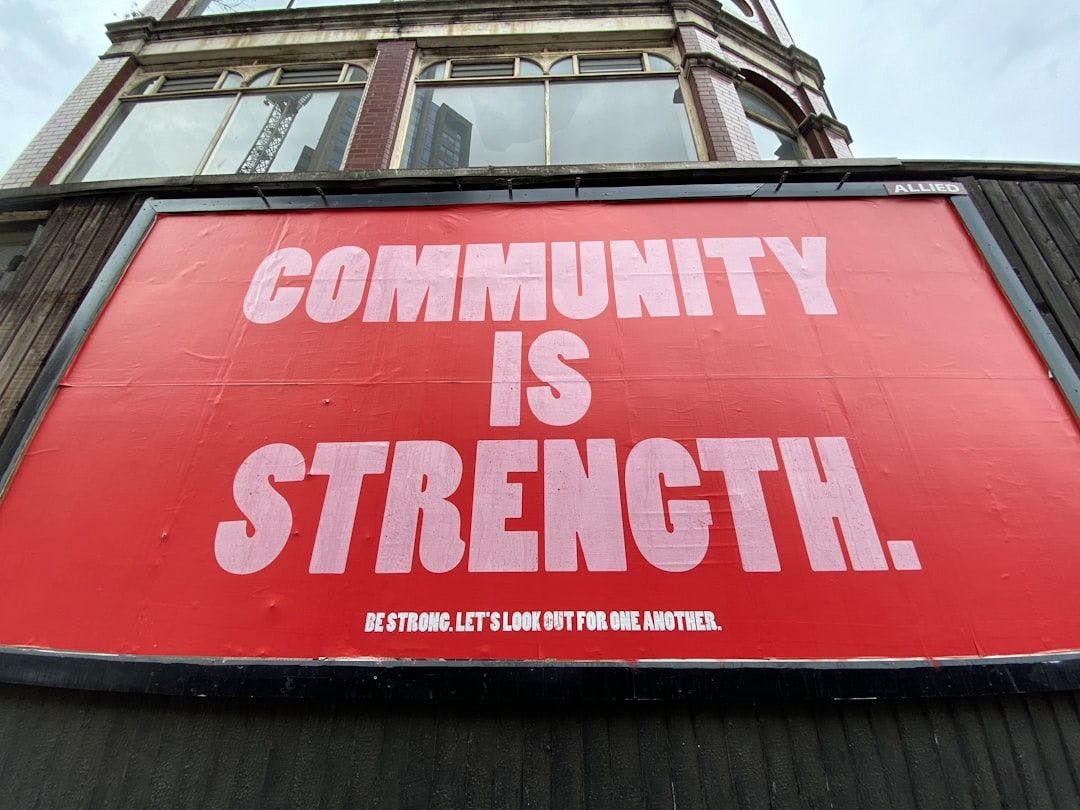
When new industries emerge, institutions rarely keep up with the speed of innovation.
Startups move quickly. Products scale rapidly. Entire ecosystems appear before governance frameworks have time to mature. In this gap between innovation and institutional infrastructure, something interesting often happens: online communities step in to solve problems institutions have not yet addressed.
Across many emerging sectors — from cryptocurrency to digital health — online forums become informal support networks long before formal systems appear.
One striking example comes from psychedelic discussion communities online.
A Digital Support Network
Online platforms like Reddit host large communities where individuals share experiences, ask questions, and seek advice related to intense psychological experiences.
In analyzing more than 19,000 publicly available posts describing psychedelic experiences, a consistent pattern emerges. Many users seek guidance not during the experience itself, but in the 48–72 hours after it ends.
During this period, people often describe:
- confusion about the meaning of their experience
- emotional openness
- difficulty integrating what happened
- a desire for reassurance or interpretation
While these moments rarely represent medical emergencies, they often reflect a state of uncertainty where individuals look for grounding or context.
What is striking is where people turn for help.
In most cases, the first response does not come from institutions, clinicians, or formal services. Instead, it comes from other users in online communities.
These forums effectively become informal integration networks, where peers share advice, personal experiences, and practical guidance.
Why Communities Fill Institutional Gaps
This phenomenon is not unique to psychedelic forums.
Across the internet, communities frequently act as early support infrastructure for emerging technologies and services.
Consider similar patterns:
- Cryptocurrency forums where users troubleshoot wallet security issues
- Developer communities where programmers help each other debug complex systems
- Patient forums where individuals discuss health experiences outside clinical settings
In each case, community networks form because they are fast, accessible, and responsive in ways institutions often are not.
Formal institutions tend to develop slowly. They require regulatory frameworks, professional training, and organizational structures.
Online communities require only a shared platform and people willing to help.
The Speed Advantage of Communities
Digital communities have three structural advantages.
1. Immediate Availability
Communities operate continuously. Someone is almost always online, ready to respond.
For users seeking reassurance or advice in vulnerable moments, this immediacy can be critical.
2. Shared Experience
Community members often respond from personal experience rather than formal expertise. While this can introduce limitations, it also creates relatability and emotional resonance.
Users frequently report that hearing from someone who has faced a similar situation feels more helpful than receiving generic advice.
3. Low Barriers to Participation
Online forums are easy to access. Users can ask questions anonymously and receive responses without navigating complex institutional systems.
For many people, this accessibility makes communities the first place they seek help.
The Governance Implication
The rise of community-based support systems reveals something important about emerging industries: institutions often underestimate where vulnerability occurs.
Organizations typically design services around the moment of product delivery. But user experiences often extend far beyond that moment.
In the psychedelic case study, the key period of vulnerability appears not during the experience itself but in the days that follow.
Online communities respond to this need organically.
Institutions rarely do.
This gap raises a broader question for platform designers, founders, and policymakers.
If communities consistently identify vulnerability windows earlier than institutions do, should organizations incorporate community signals into governance design?
Designing Platforms That Learn From Communities
Instead of viewing online communities as informal or secondary, emerging industries may benefit from studying them.
Community conversations often surface early indicators of user needs, risks, and behavioral patterns.
For platform builders and technology companies, this suggests several opportunities:
- monitoring community discussions for emerging risk signals
- designing support systems aligned with real user experiences
- creating structured follow-up mechanisms when vulnerability patterns appear
Communities are not replacements for institutions, but they often function as early warning systems.
They reveal where support structures may be missing.
A Preview of Future Governance
As new industries continue to emerge — particularly those involving high-impact technologies or psychological experiences — community-driven support systems will likely remain a defining feature of the digital landscape.
The lesson for innovators is not that communities solve every problem. It is that communities frequently identify problems earlier than institutions do.
Platforms that learn from these signals may be able to design better systems before harm becomes visible.
In an internet-driven world, governance may no longer come only from formal institutions.
Sometimes, it begins in the comment section.