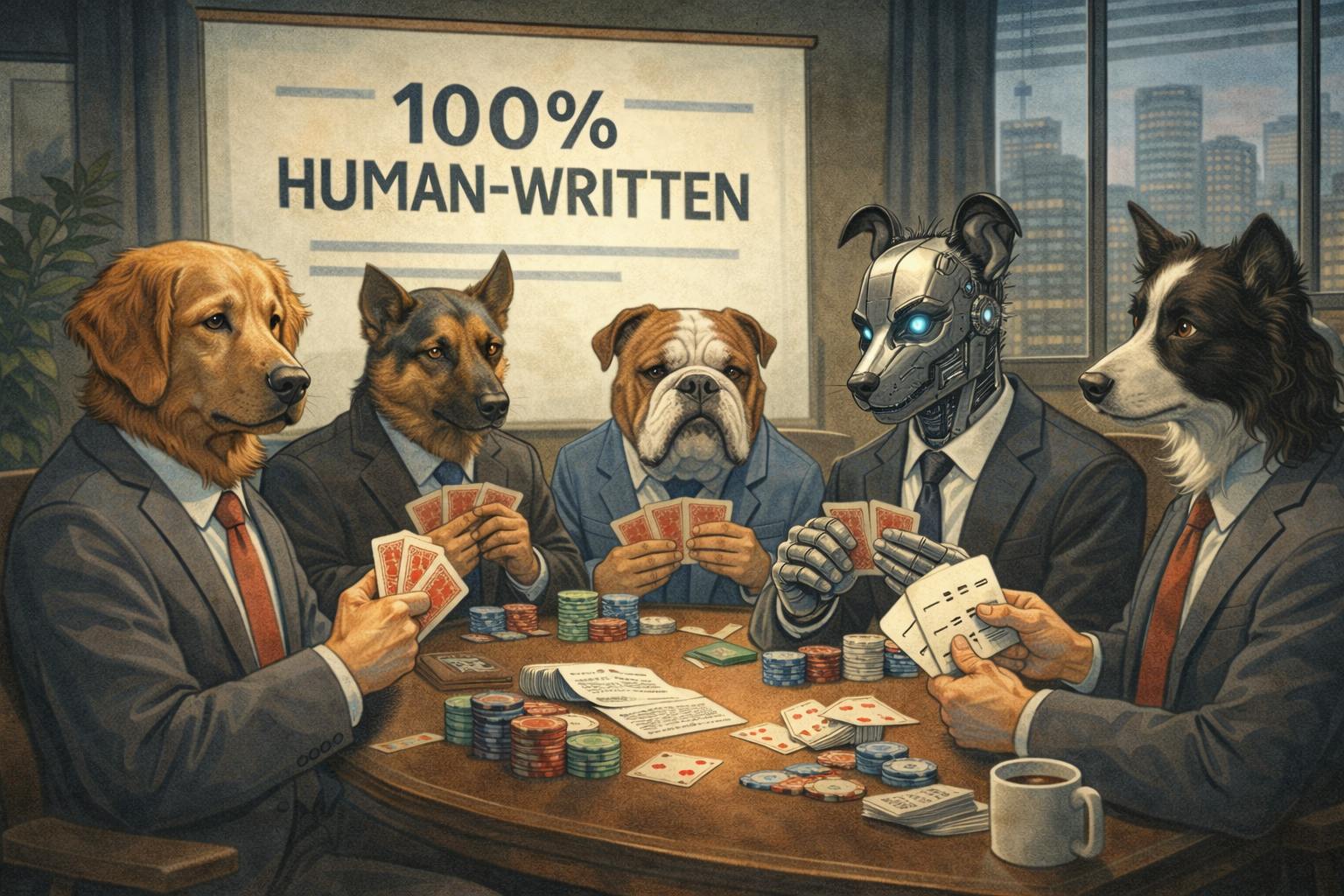
Imagine your accountant proudly says:
“I did your corporate tax return using nothing but a pencil and my own sheer grit and willpower. No calculators. No Excel. No software.”
You would not be impressed.
You would beterrified.
You’d slowly back out of the office, because this is a person who is absolutely going to get you audited, just to prove a point.
We expect professionals to use good tools. We don’t reward artisanal inefficiency. No one says, “Wow, you made that spreadsheet without formulas? Incredible suffering. Five stars.”
And yet, the moment the tool is AI, we all pretend we didn’t use it. 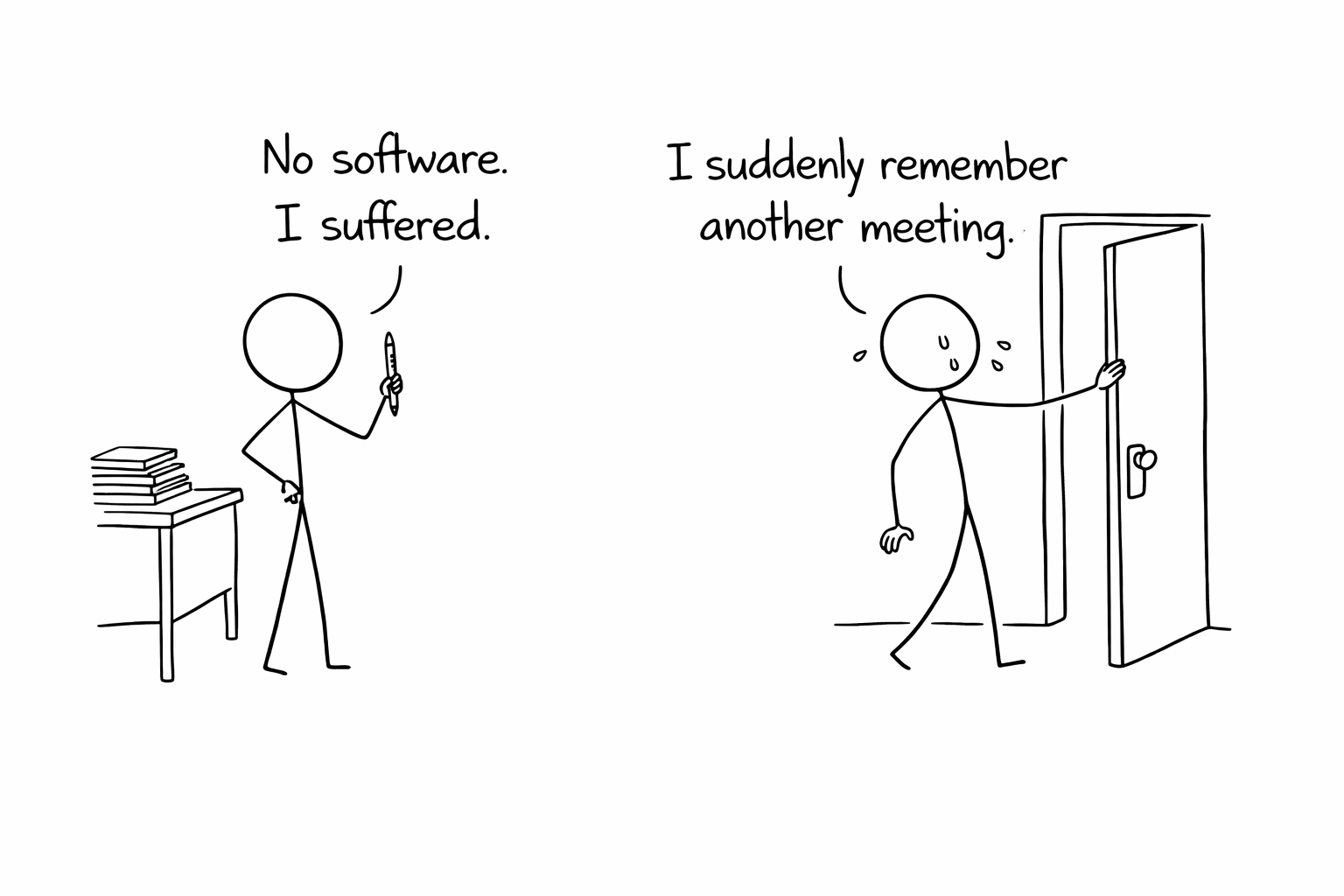
The Workplace Costume Party No One Admits Exists
Every day, millions of professionals sit down, open a Large Language Model, and type something like:
“Tell Bob no.”
Three seconds later, the model produces a beautifully worded, emotionally intelligent, HR-safe email that delicately preserves Bob’s dignity while still crushing his dreams.
And then… the real work begins.
We delete the double dashes.
We collapse the bullet points.
We swap “delve” for “look into.”
We rearrange a sentence so it feels a little lesssuspiciously competent.
Finally, we hit send — and act like our writing skills just spontaneously evolved.
We are basically applying makeup to our emails so no one recognizes the AI’s bone structure underneath.
Why are we doing this? 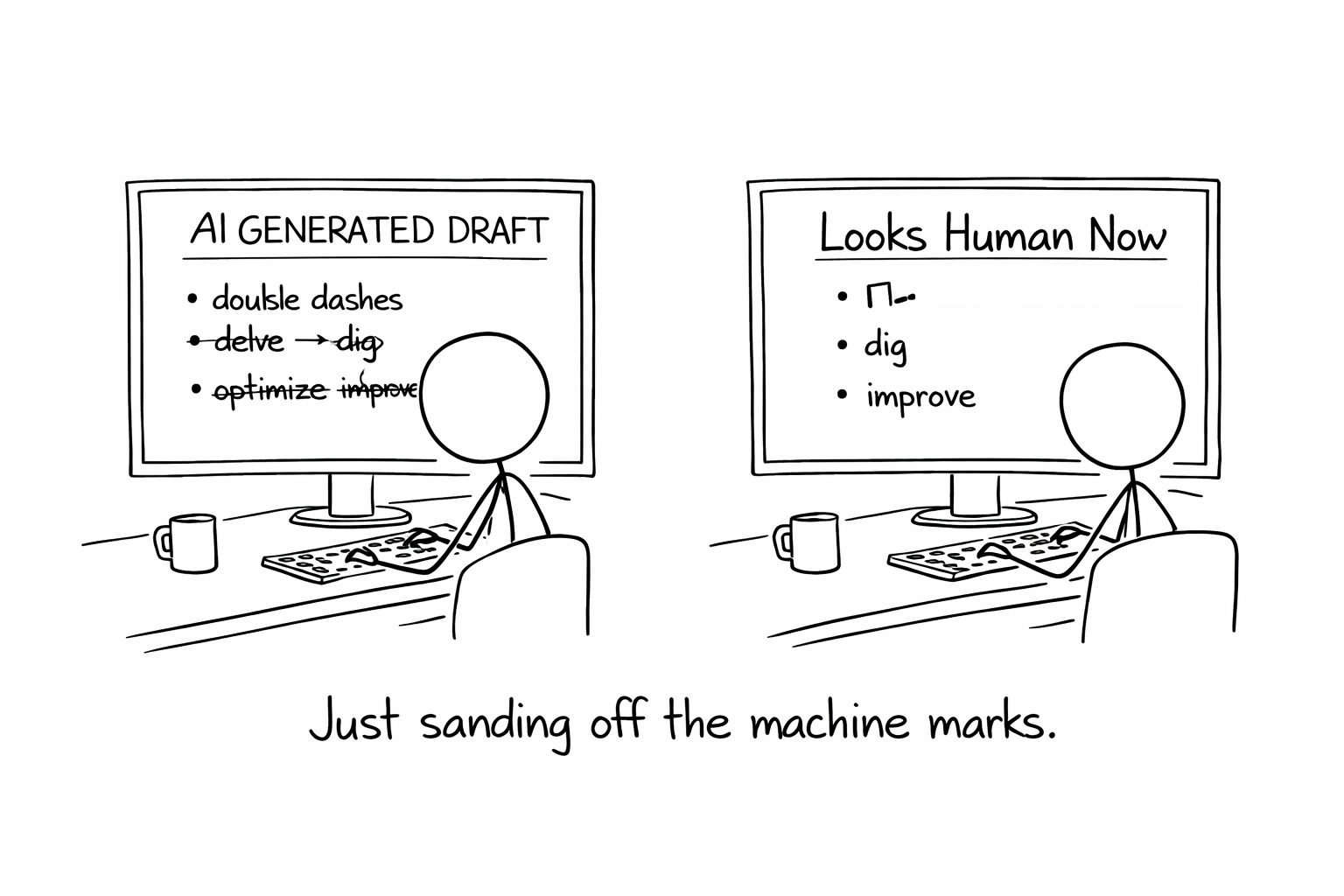
The “Sweat Equity” Paradox
Somewhere along the way, we decided that if you didn’t suffer while making something, it doesn’t count.
If an email took five minutes instead of forty, it’s cheating.
If code is clean on the first pass, something is wrong.
If a document makes sense without twelve revisions and one mild breakdown, it must be fake.
We’ve reached a point where we value the theatre of effort more than the utility of the result.
This logic makes sense nowhere else.
No one respects a carpenter more because they refused to use power tools.
No one trusts a surgeon who insists on “manual vibes only.”
No one wants a lawyer who says, “I didn’t use templates — I suffered.”
But with AI, suddenly suffering is the point. 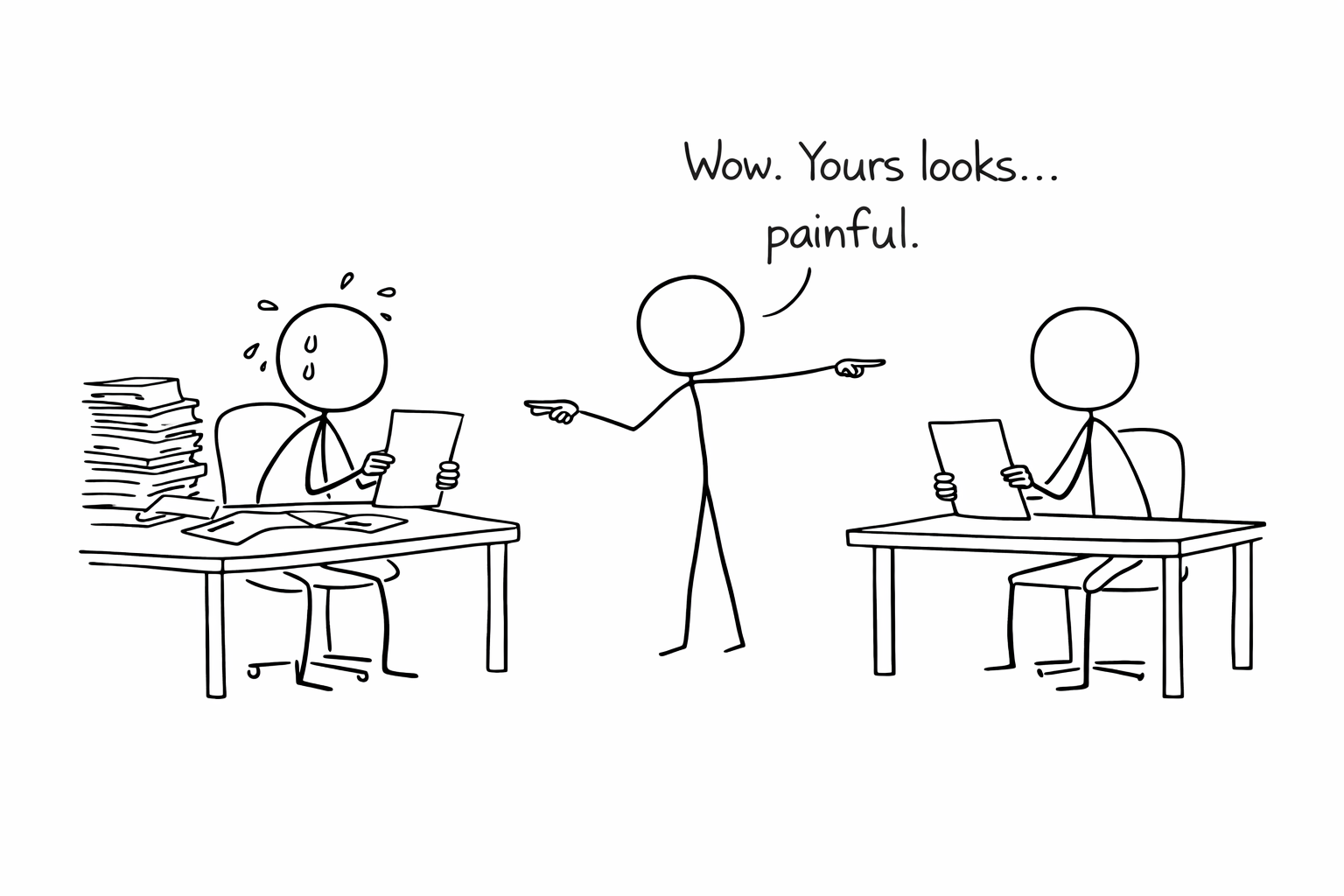
Let’s Draw the Actual Ethical Line (Because Yes, There Is One)
Before this turns into “But what about people blindly sending hallucinated garbage,” let’s be very clear.
I’m not defending that.
- The sin: Passing off AI output without reviewing it, understanding it, or owning the consequences.
That’s not productivity — that’s negligence. It’s the equivalent of a pilot putting the plane on autopilot and then going to sleep in the cargo hold.
- The standard: Using AI to build the frame, then using your human brain to make sure the house won’t collapse.
You review it.
You edit it.
You understand it.
Your name is on it.
If you own the outcome, the tool should not be the moral scandal. 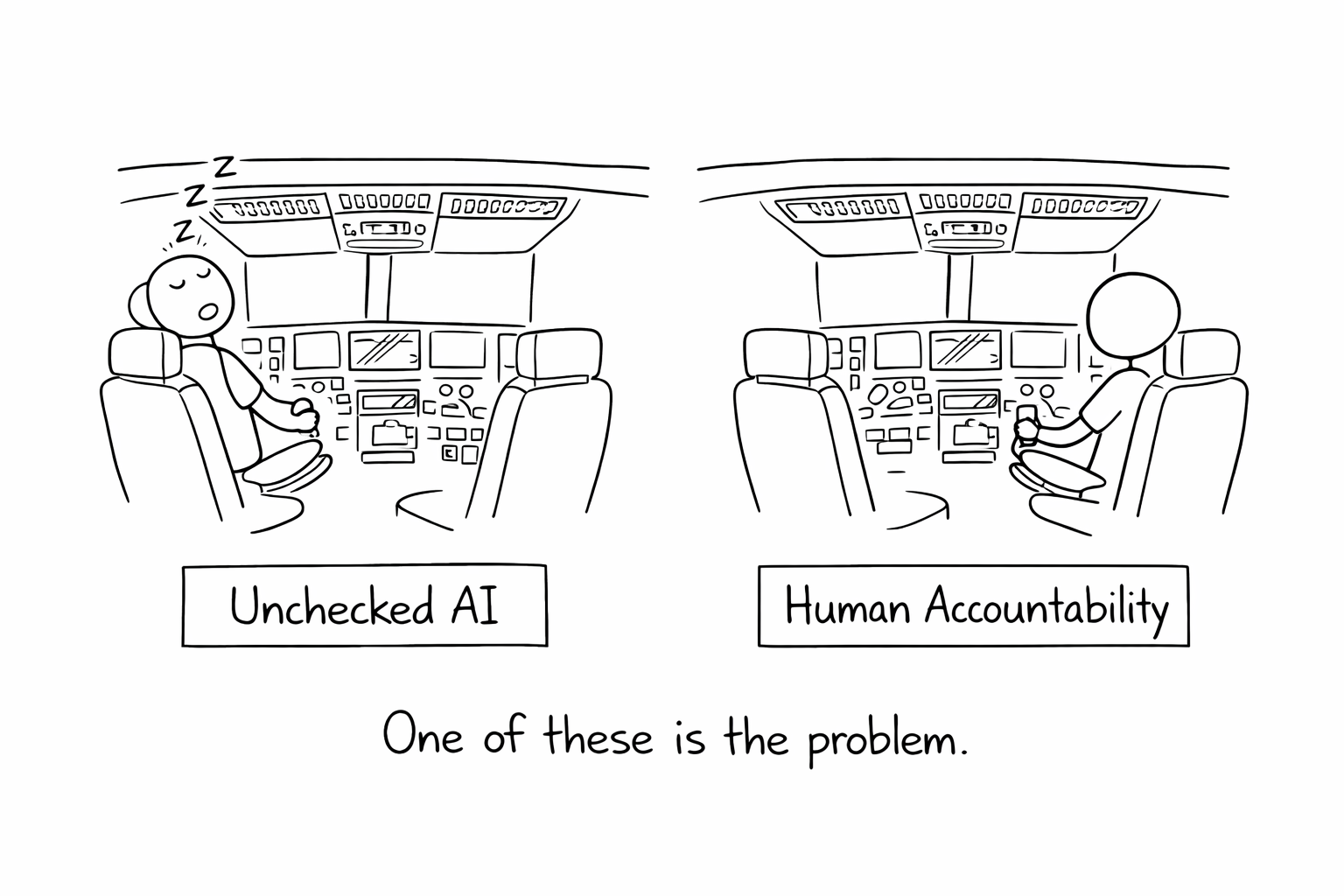
Why We “AI-Wash” Our Work Anyway
If responsible AI use is defensible, why are we all still hiding it?
A few reasons:
1. Status signaling
Effort is still social currency. Admitting you used AI feels like admitting you skipped leg day in a culture obsessed with visible grind.
2. Fear of looking lazy
Even if the output is better, we worry that using AI makes us look replaceable — as if competence only counts when it’s inefficient.
3. Cultural lag
We’ve normalized calculators, spellcheck, IDEs, and accounting software over decades. AI hasn’t aged into respectability yet.
Right now, it’s like autocorrect in its early years — slightly embarrassing, quietly indispensable.
Would I Respect a Professional More or Less If They Disclosed AI Use?
Honestly?
Right now? Probably less.
Not because it’s wrong — but because I’m still infected with the same status anxiety I’m diagnosing.
That reaction isn’t rational. It’s cultural inertia.
We’re still in the shame phase of the technology, where everyone is quietly using the tool but pretending they aren’t. Admitting AI use violates an unspoken rule that almost everyone is breaking.
I know the stigma is bullshit.
And I’d still feel it.
That’s how deep this runs.
But fast-forward a few years.
In five years, the professional who doesn’t use AI will look like the accountant with the pencil — proudly wasting everyone’s time in the name of “purity.”
The respect will flip. It always does.
We’re Not Cheating — We’re Transitioning
This isn’t an ethical collapse. It’s an awkward adolescence.
We’re adjusting to a tool that works too well, too fast, and too visibly. So we disguise it. We sand off the tells. We pretend our clarity just mysteriously improved.
Eventually, we’ll stop pretending.
The same way we stopped pretending we don’t use Google.
The same way we stopped pretending we do math in our heads.
The same way we stopped pretending efficiency is immoral.
So Here’s What I’m Doing
I’m done removing the double dashes.
Not because I want to advertise AI use — I genuinely don’t care if people know or don’t.
But because pretending I typed something from scratch is just another form of workplace theater.
And we already waste enough time performing productivity.
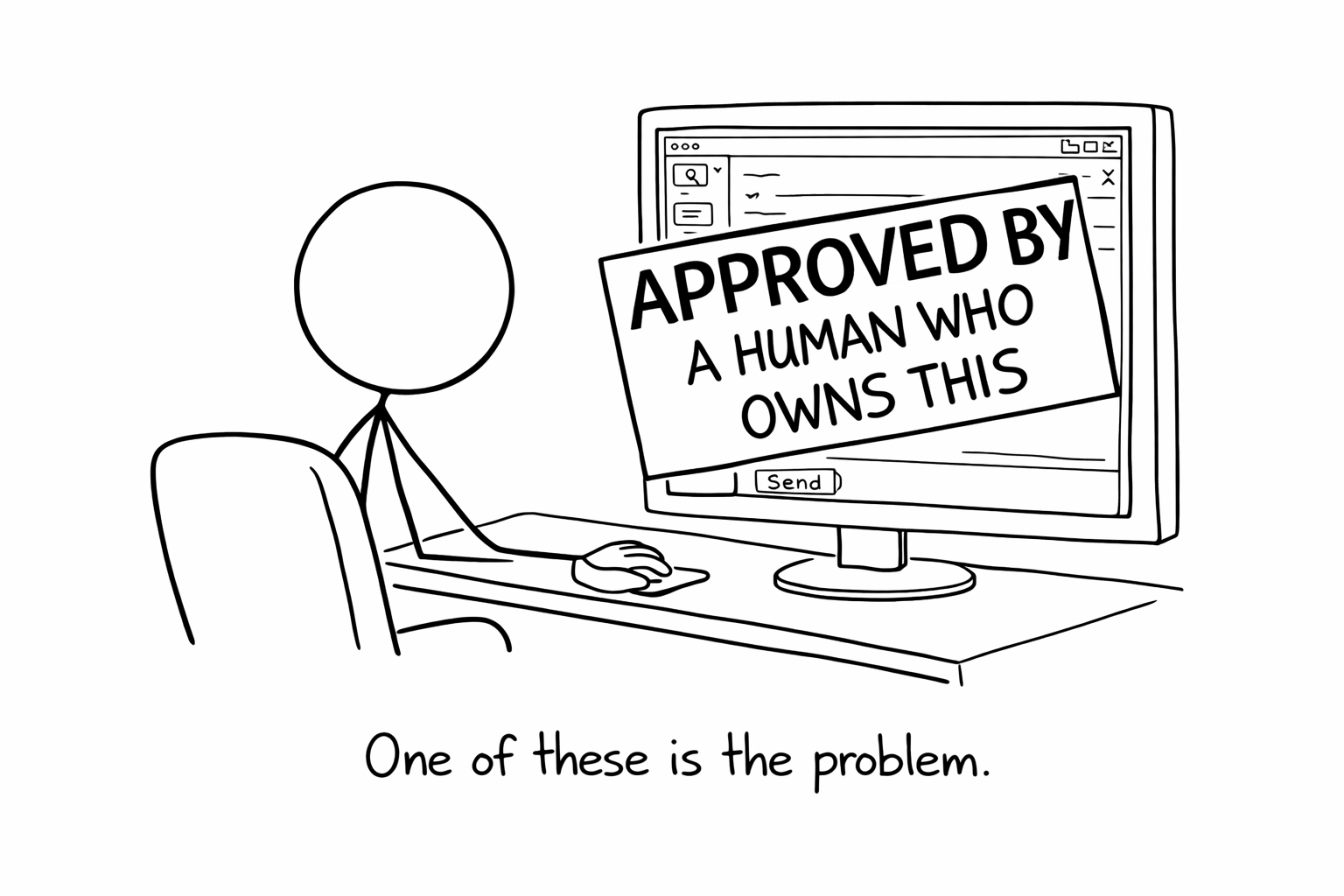
If the work is good, I own it.
If it’s wrong, I fix it.
If someone judges me for using a tool to do my job better, they’re measuring effort instead of results.
That’s their problem. Not mine.
Or maybe I’m wrong.
Maybe the performance doesmatter.
Maybe clients really are paying for artisanal sentence structure.
Maybe there’s real value in inefficiency that I’m too blind to see.
So tell me:
Are you still hiding the double dashes?
And more importantly — why?
[story continues]
tags